Private Label Pet Products Development and Sourcing
Selected textile pet accessories available through suitable partner factories.
Materials
- Textile
- Webbing
- Polyester
- Mixed materials
Processes
- Cut and sew
- Assembly
- Printing
- Packaging
Customization
- Size
- Color
- Label
- Retail packaging
Quality-control focus
- Dimensions
- Seam strength
- Attachment
- Labeling
- Packaging
Related pages
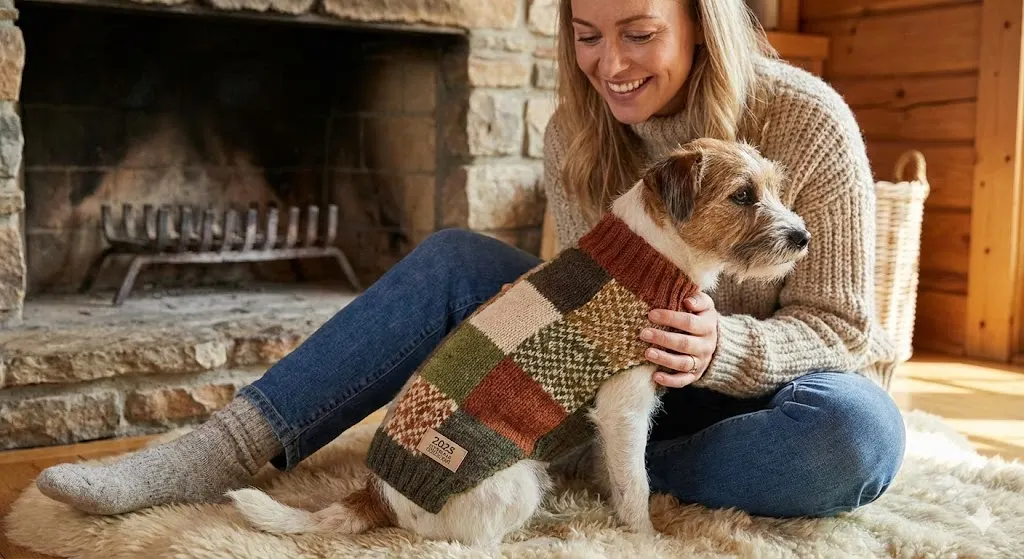
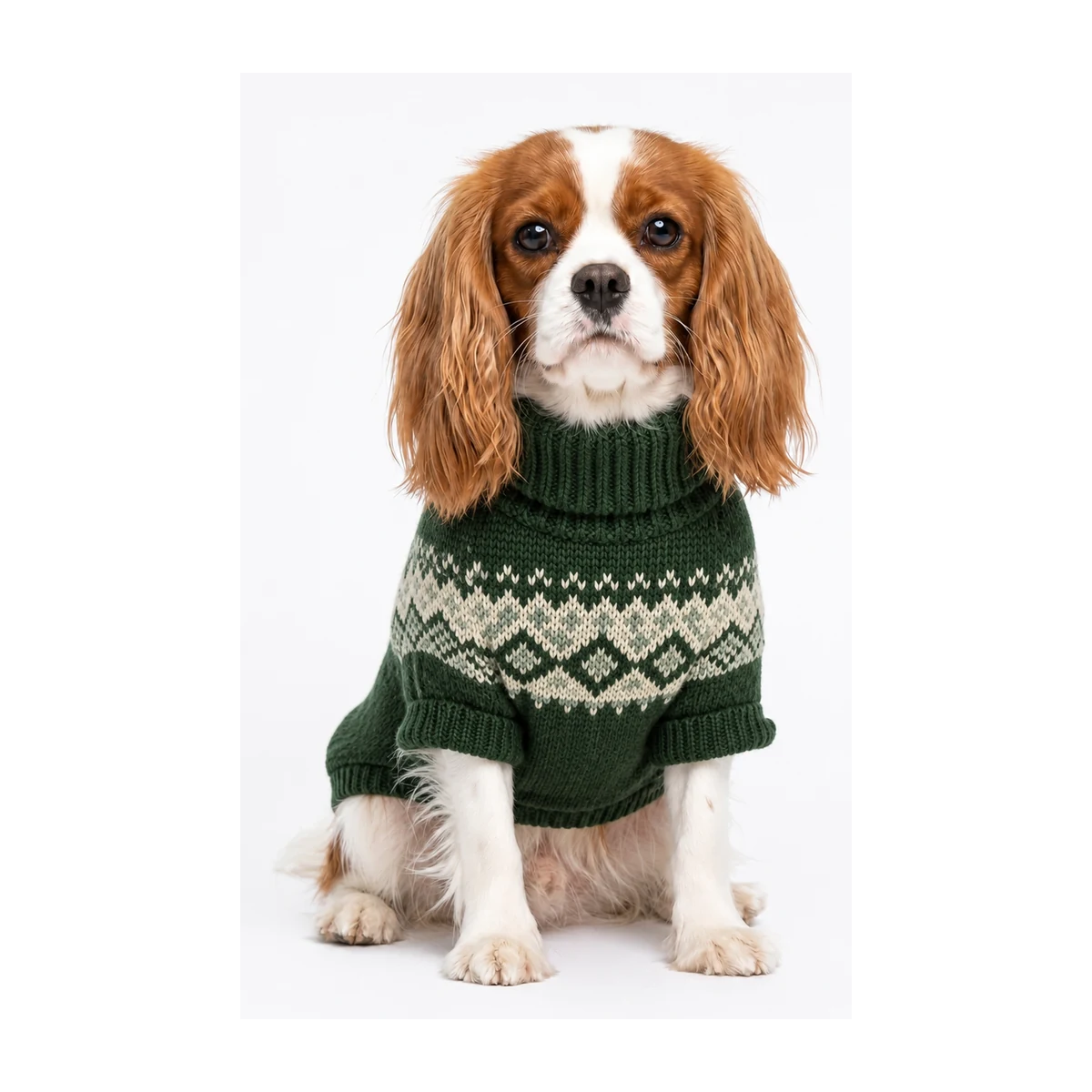
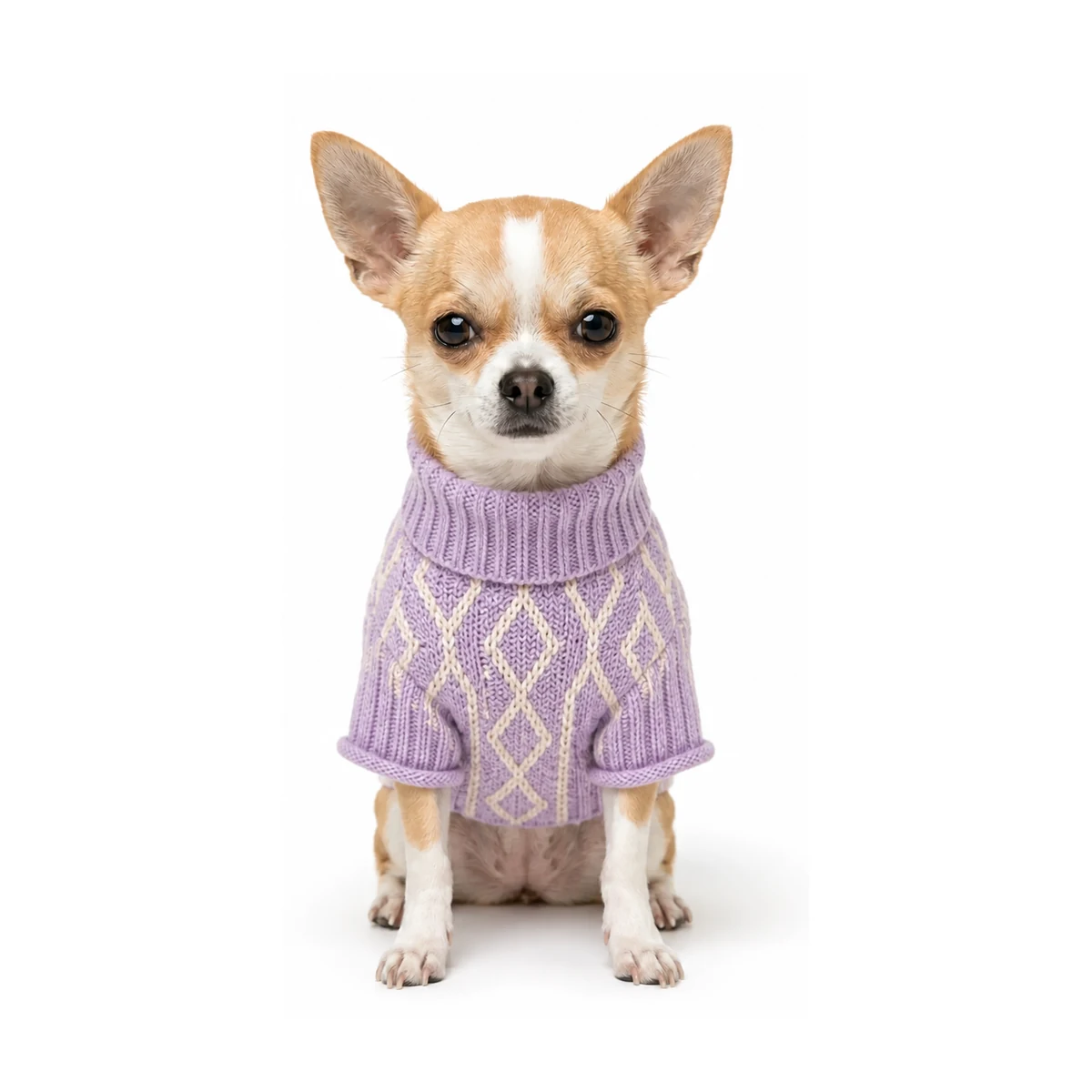
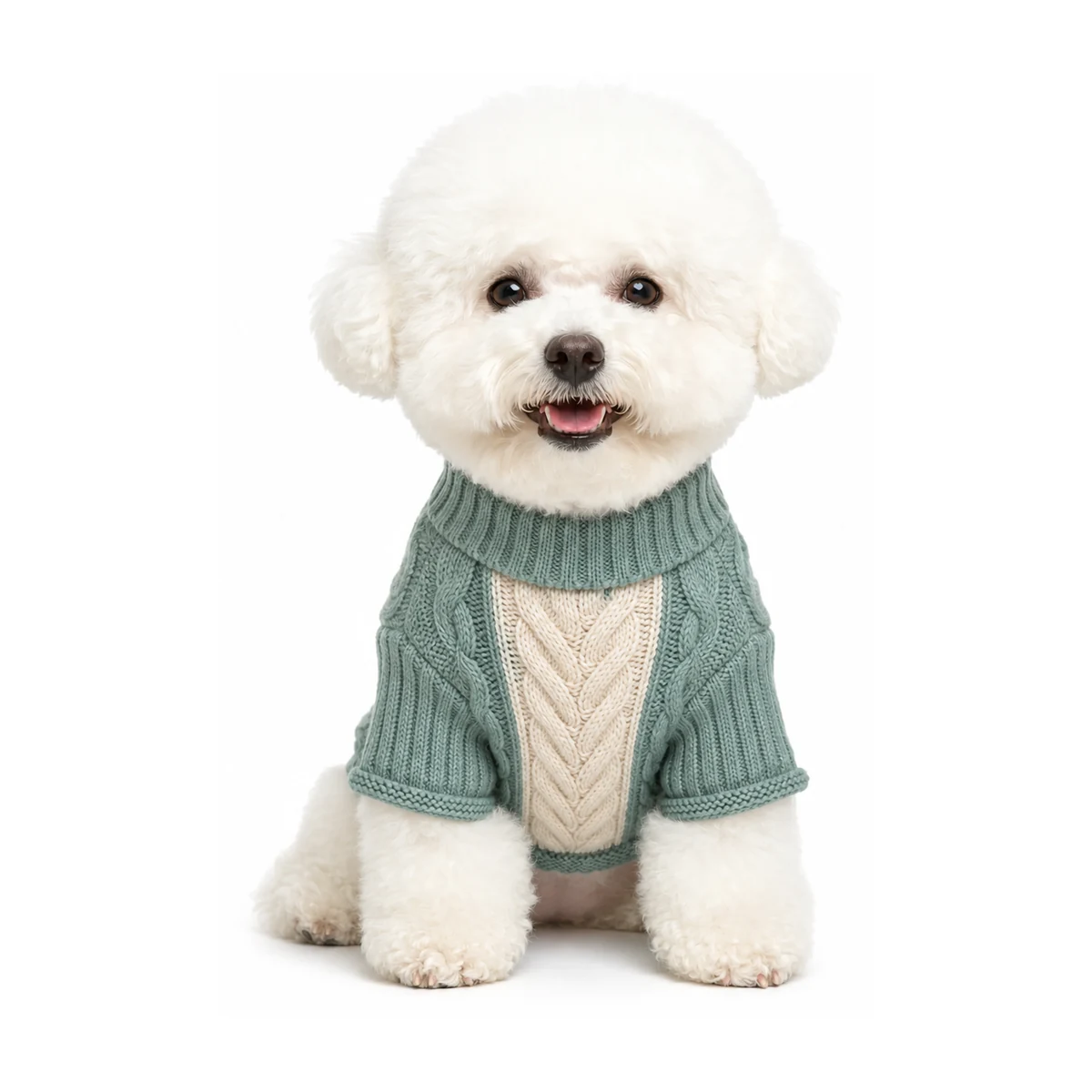
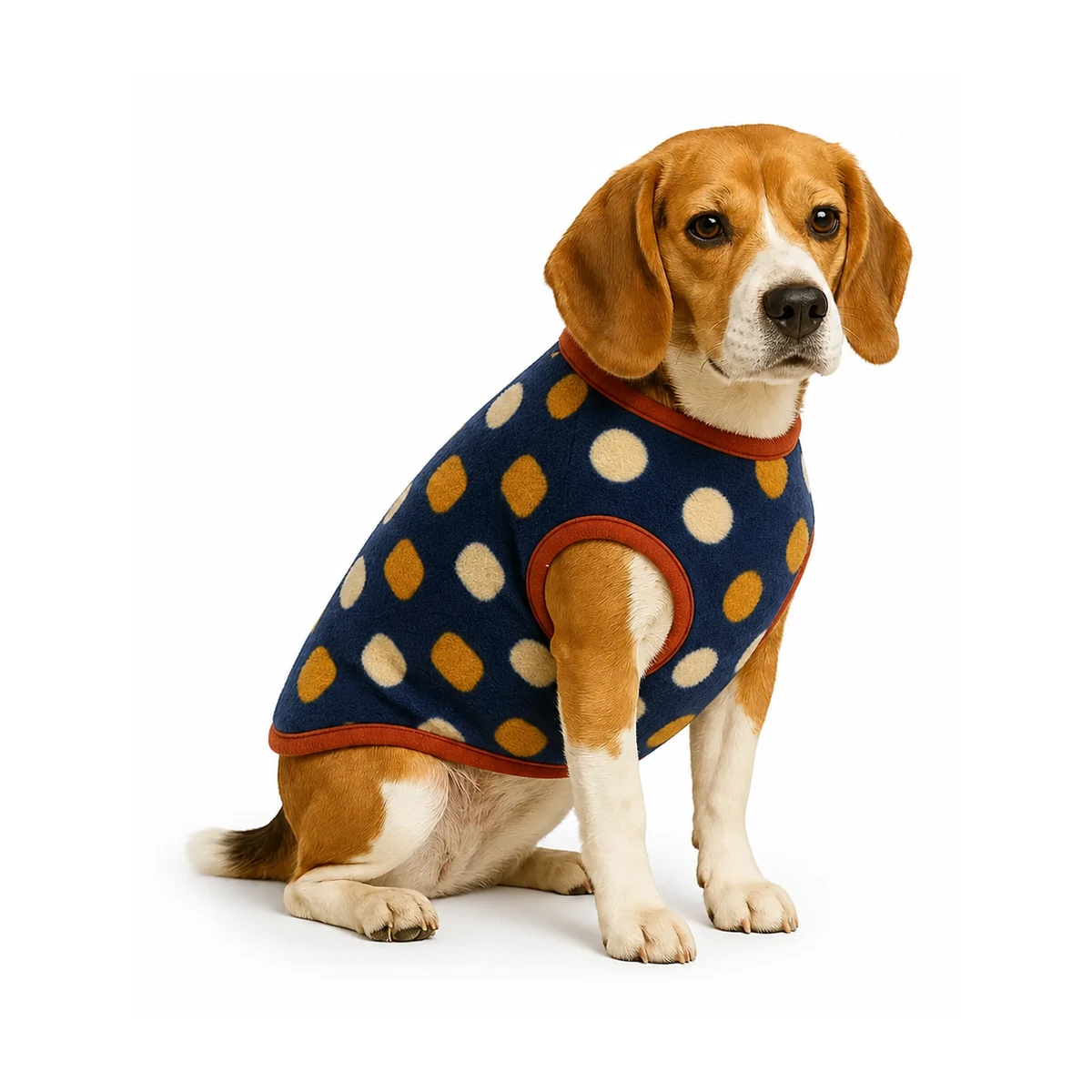
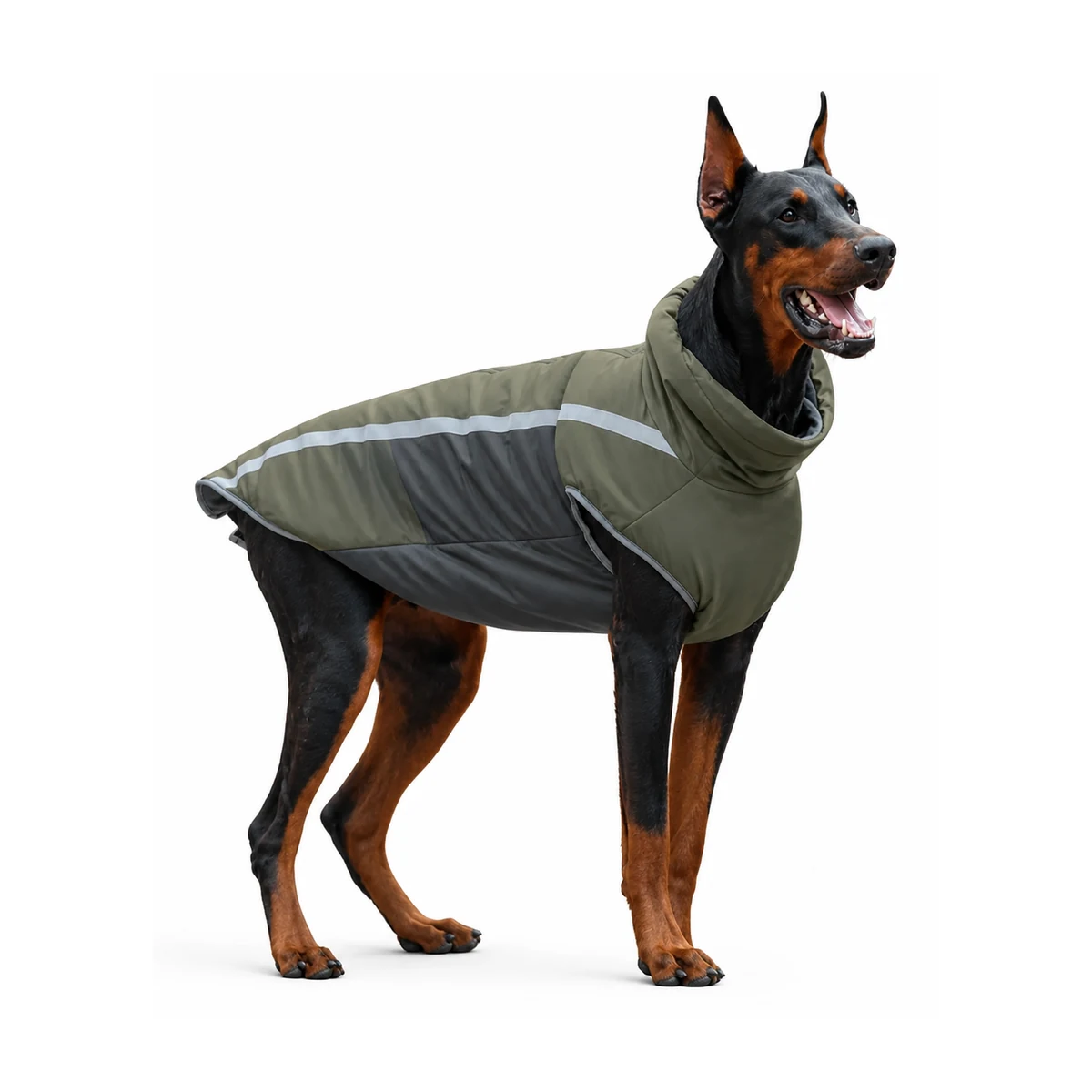
Dog clothing
A dog-clothing brief starts with the intended activity, fit measurements and garment function. Specify neck, chest and back measurements, movement clearance, closures, materials and any harness interaction; confirm sizing, comfort and suitability through the agreed sample review rather than breed labels alone.
How should dog-clothing sizing be specified?
Provide the intended use, body measurement method, neck and chest girth, back length and required ease. Define coverage and clearance for walking, toileting and any harness access; breed names or body weight alone are insufficient sizing references.
Which materials and construction details need review?
Specify composition, weight, stretch, lining if required, seam placement and closure type. Review skin-contact edges, loose components and access openings against the intended use; weather or safety claims require their own supporting evidence.
What customization information should the buyer provide?
Supply color references, artwork, logo size and placement, label copy and any coordinated collection requirements. Confirm decoration placement and attachment on the sample without restricting movement or covering required openings.
How are minimum quantities reviewed for dog clothing?
Share the quantity split by design, color and measurement-based size. Materials, print methods, closures and label requirements affect the review; minimum quantities must be confirmed for the selected project and supplier.
What should be checked on a dog-clothing sample?
Agree how sizing and fit will be reviewed, including movement, putting the garment on, taking it off and closure operation. Record feedback on coverage, edges and harness access; arrange any wearer trial under suitable supervision.
What is needed to confirm a delivery plan?
Provide the target delivery window, destination, size split and approval plan. The schedule depends on material review, sampling, revisions, any required testing and logistics; confirm dates after these inputs are agreed.
Which QC requirements should be documented?
Agree dimensional tolerances, seams, closures, attachment security, appearance and care-related checks. Specify any material or performance testing and acceptance criteria; do not assume a garment is suitable for every dog or use.
What should dog-clothing packaging communicate?
Provide the measurement-based size guide, composition and care copy, barcode and agreed use instructions. Specify individual packs, assortment and carton marks; ensure packaging describes the approved garment rather than unsupported performance claims.
Cat clothing
A cat-clothing brief needs a clearly defined purpose, measurement-based fit and careful review of movement and wearer tolerance. Provide materials, seam and closure details, coverage, branding and packaging requirements; confirm suitability through sample review and do not infer medical or recovery use from the garment shape.
What fit information is needed for cat clothing?
Define the intended non-medical use and provide the measurement method, neck and chest girth, body length and required ease. Review movement and toileting clearance; body weight or a photograph alone is not a sufficient size specification.
Which construction details require particular attention?
Specify composition, weight, stretch, edge finish, seam positions and fastening design. Review snagging points, loose decorations and pressure areas on the sample; comfort and tolerance need assessment for the intended wearer and use.
How should branding and decoration be briefed?
Supply artwork, color references, label copy and placement dimensions. Review decoration size and attachment together with mobility and snagging considerations; any special-use claim requires separate substantiation.
How should the MOQ request be structured?
Provide the requested quantities by design, color and measurement-based size, with the chosen material and branding method. Minimums are reviewed for the specific sourcing and construction requirements and confirmed in the quotation.
What should a cat-clothing sample review include?
Agree checks for dimensions, ease of dressing, closure operation, freedom of movement and coverage. Arrange any wearer trial with appropriate supervision and stop if the garment is unsuitable; document fit changes before approving a reference.
Which inputs are needed to review timing?
Share the target delivery window, destination, quantity split and sample approval plan. Allow the selected supplier to review materials, fit revisions, required checks and shipping before confirming dates.
What should the QC brief cover?
Define dimensional tolerances, seams, edge finish, closures, attachment checks and behavior under the agreed care instructions. Request any relevant material or performance evidence; medical, therapeutic and recovery claims are outside this general buying guide.
What packaging information should be confirmed?
Confirm the measurement-based size guide, composition, care and agreed use instructions, barcode and pack format. Keep copy consistent with the approved garment and specify assortment and carton requirements separately.