Sweaters and outerwear
A focused collection of sweaters, jackets, coats and vests supported by clear review of materials, construction, sizing, finishing, packaging and production fit.
How apparel references become production specifications
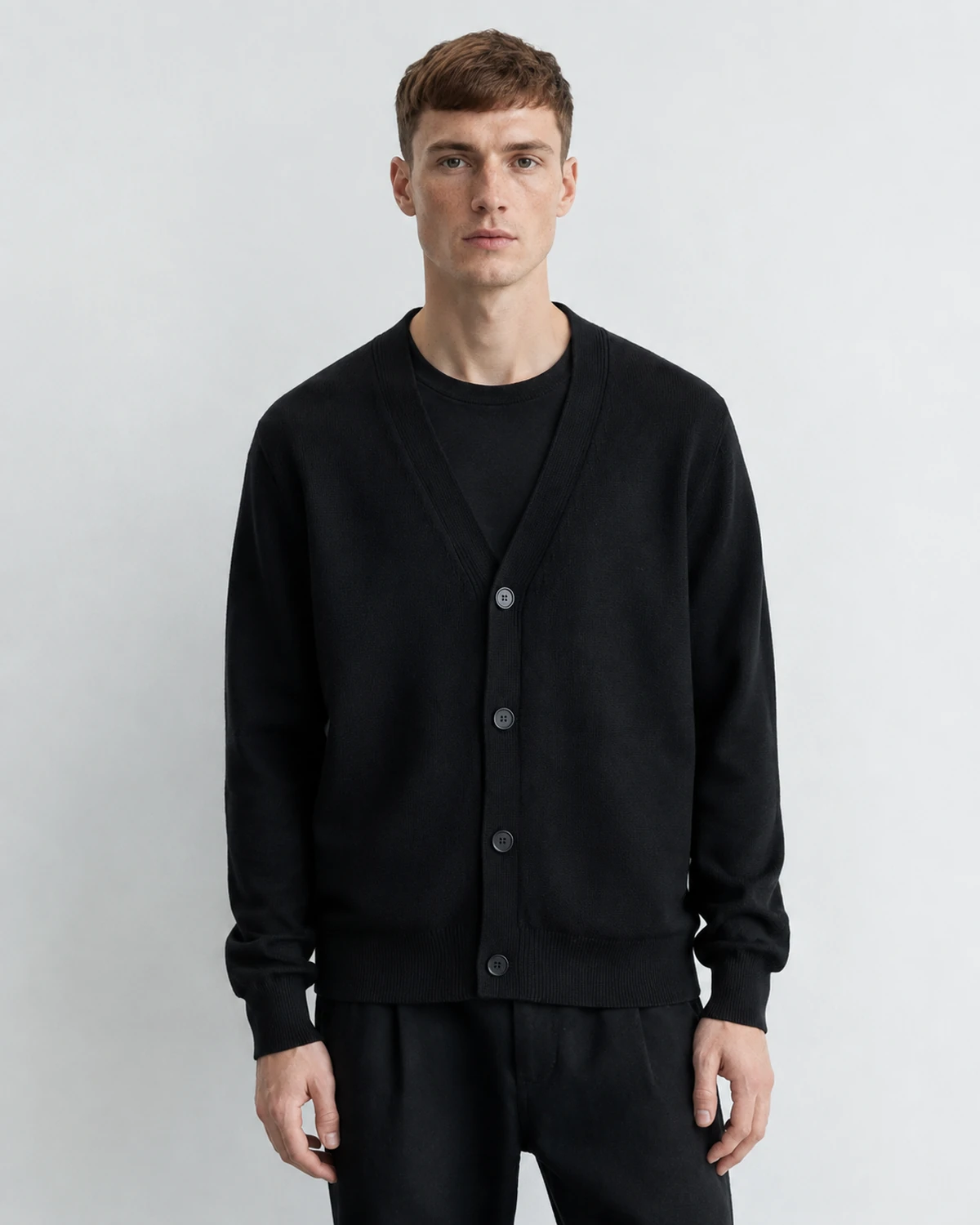
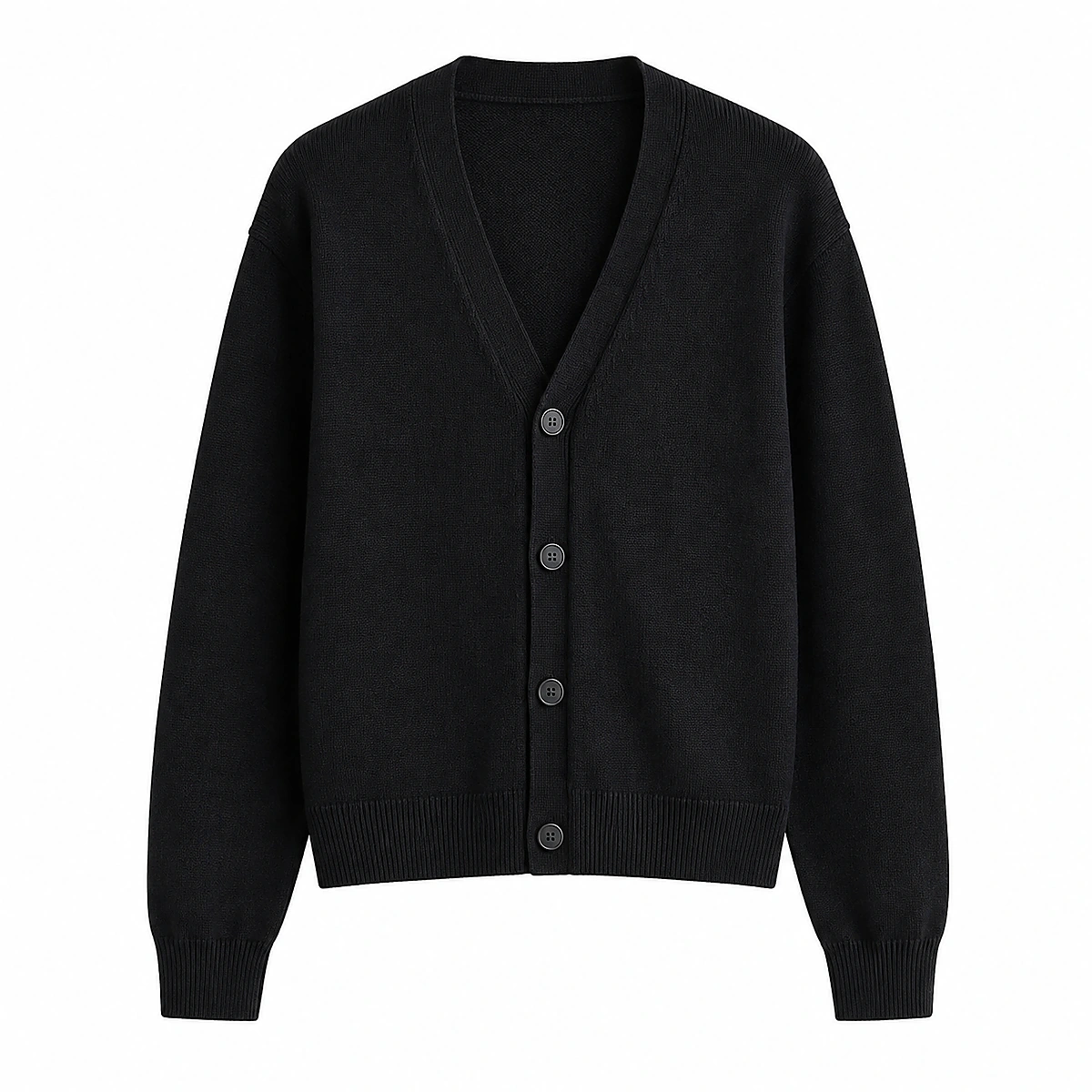
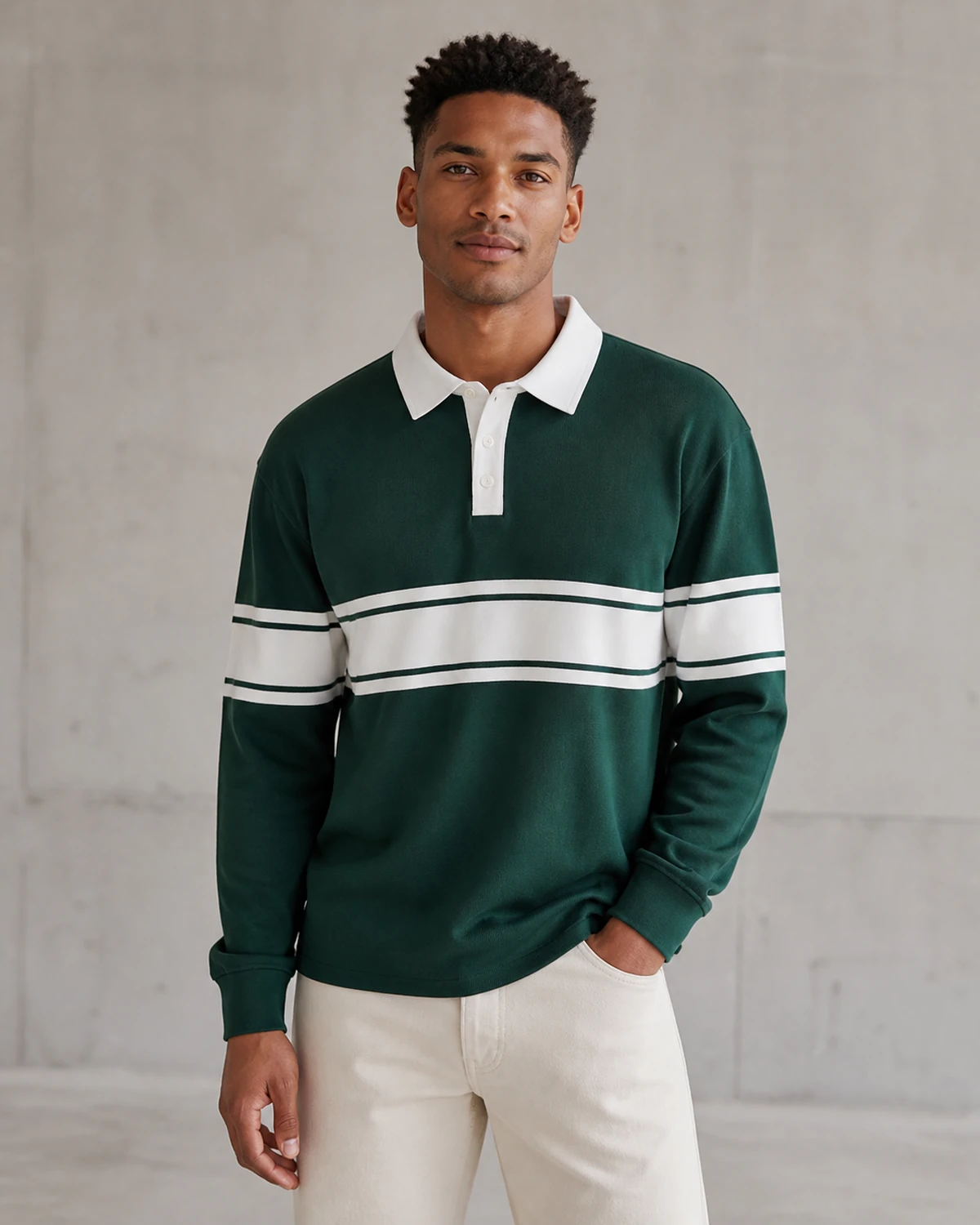
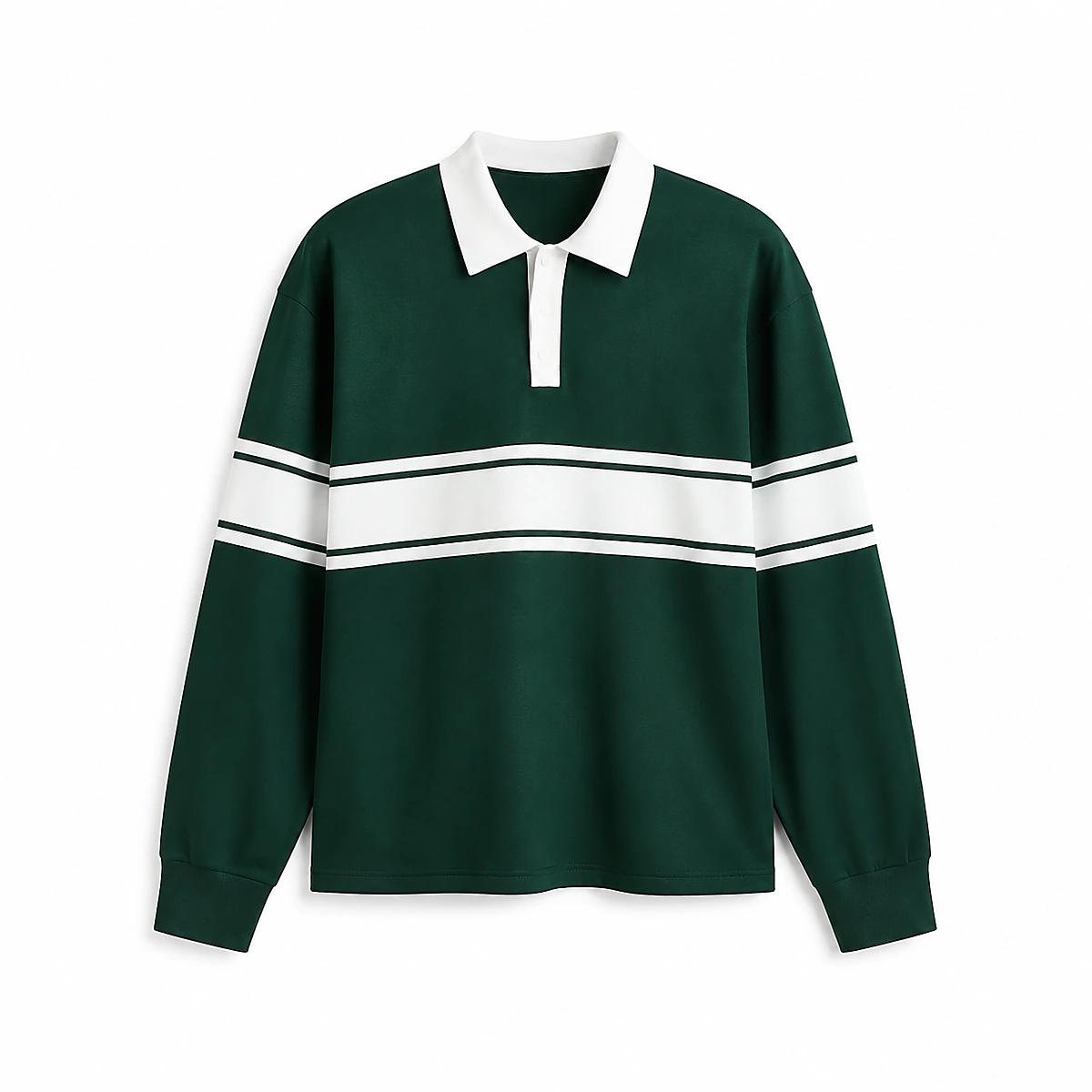
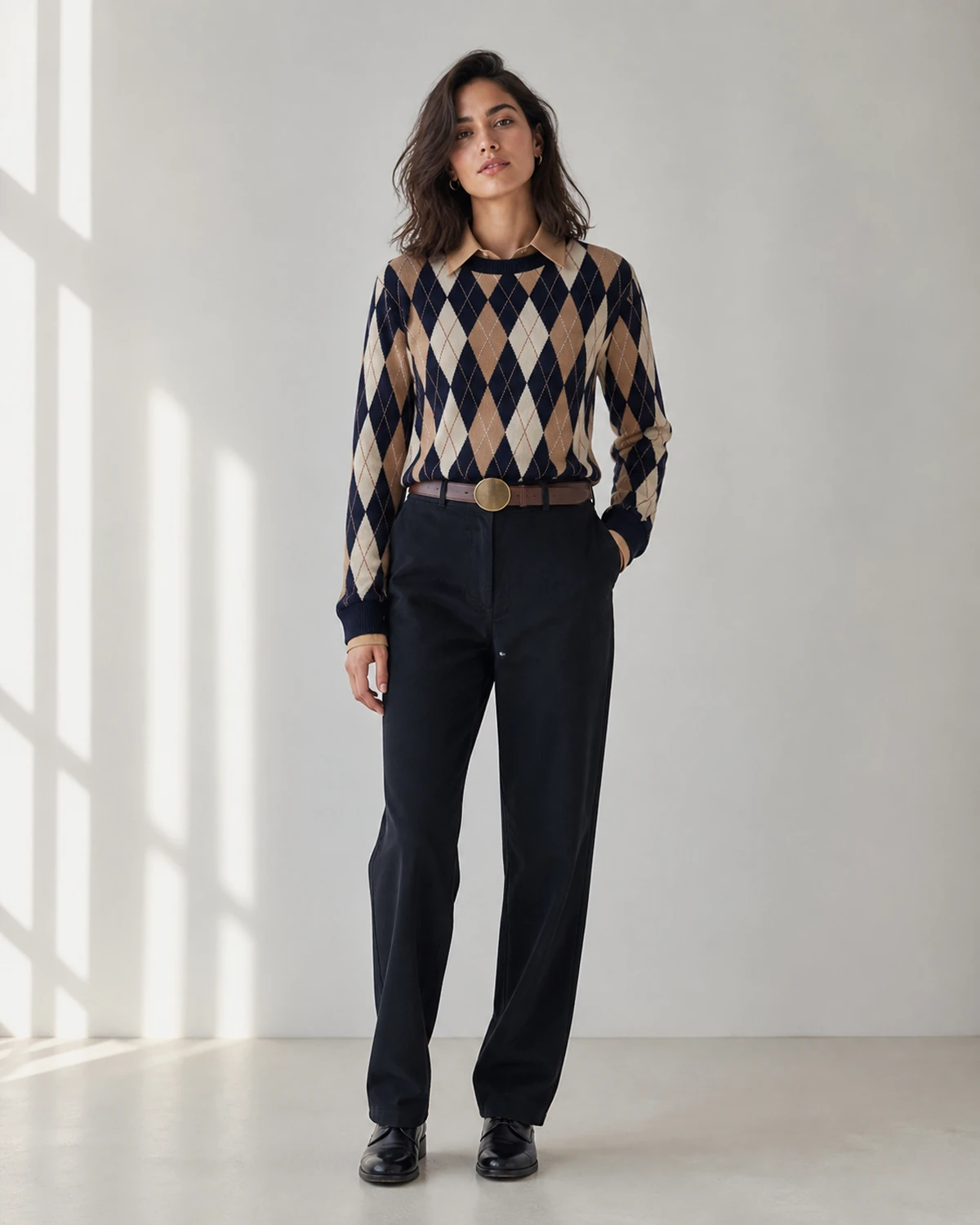
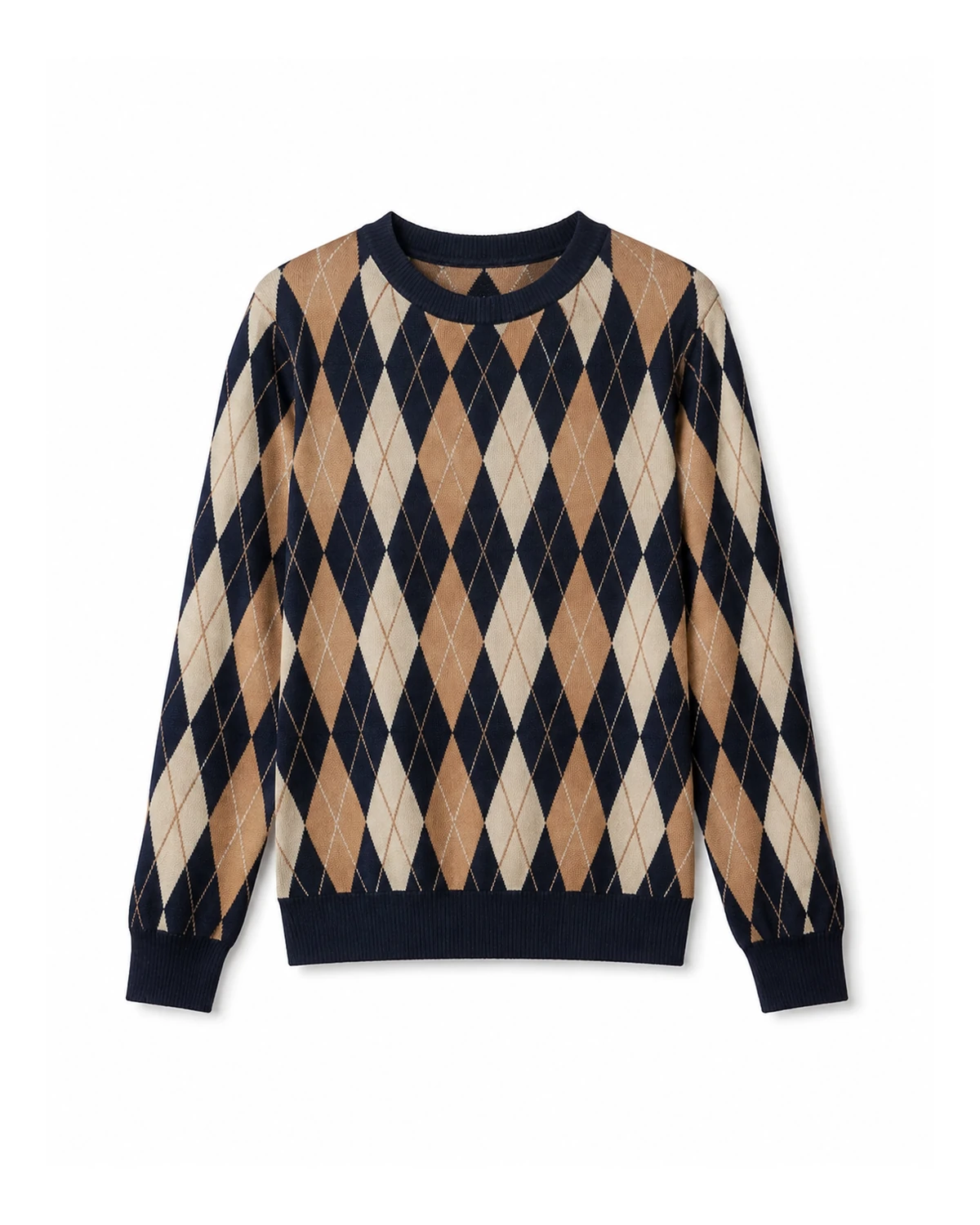
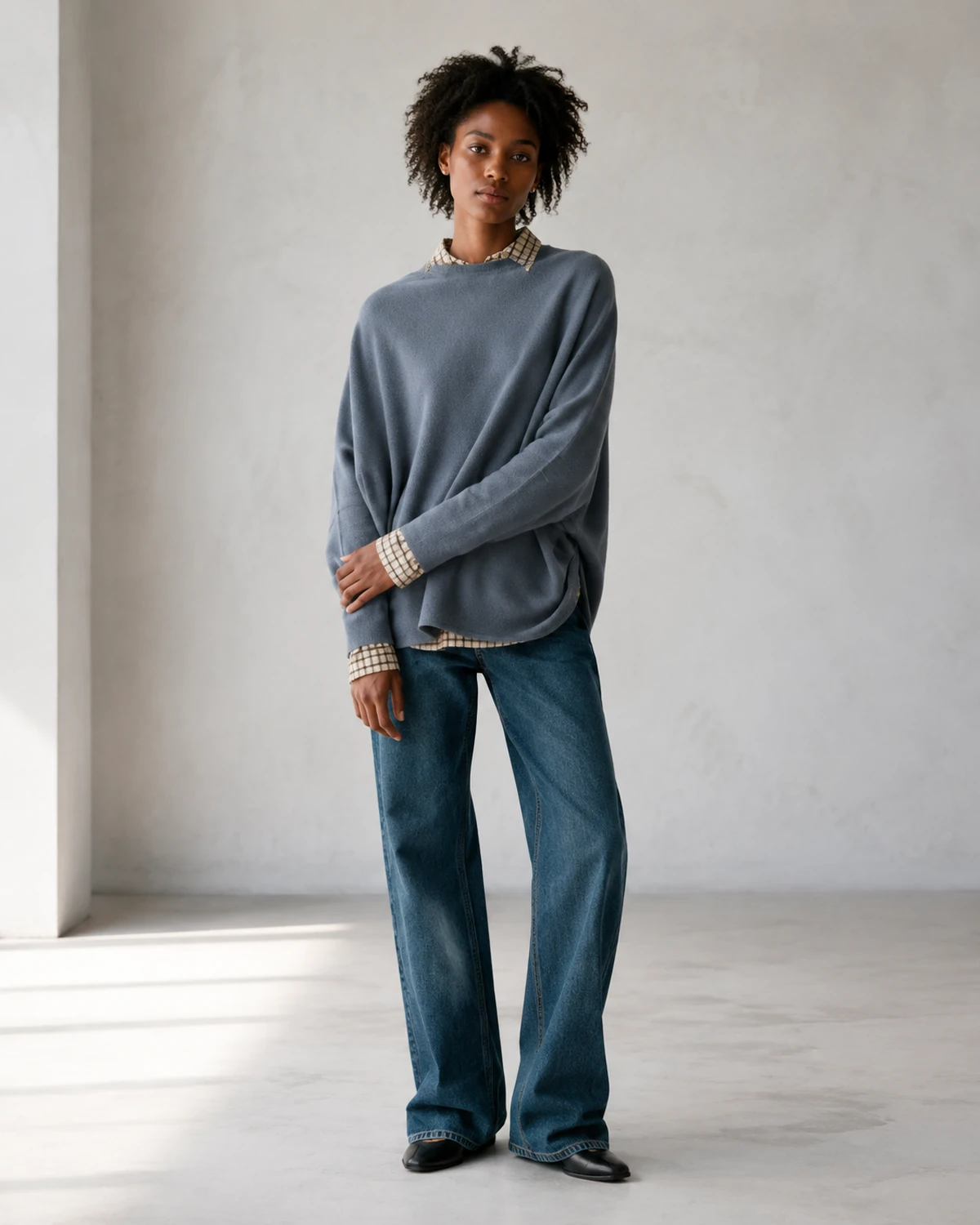
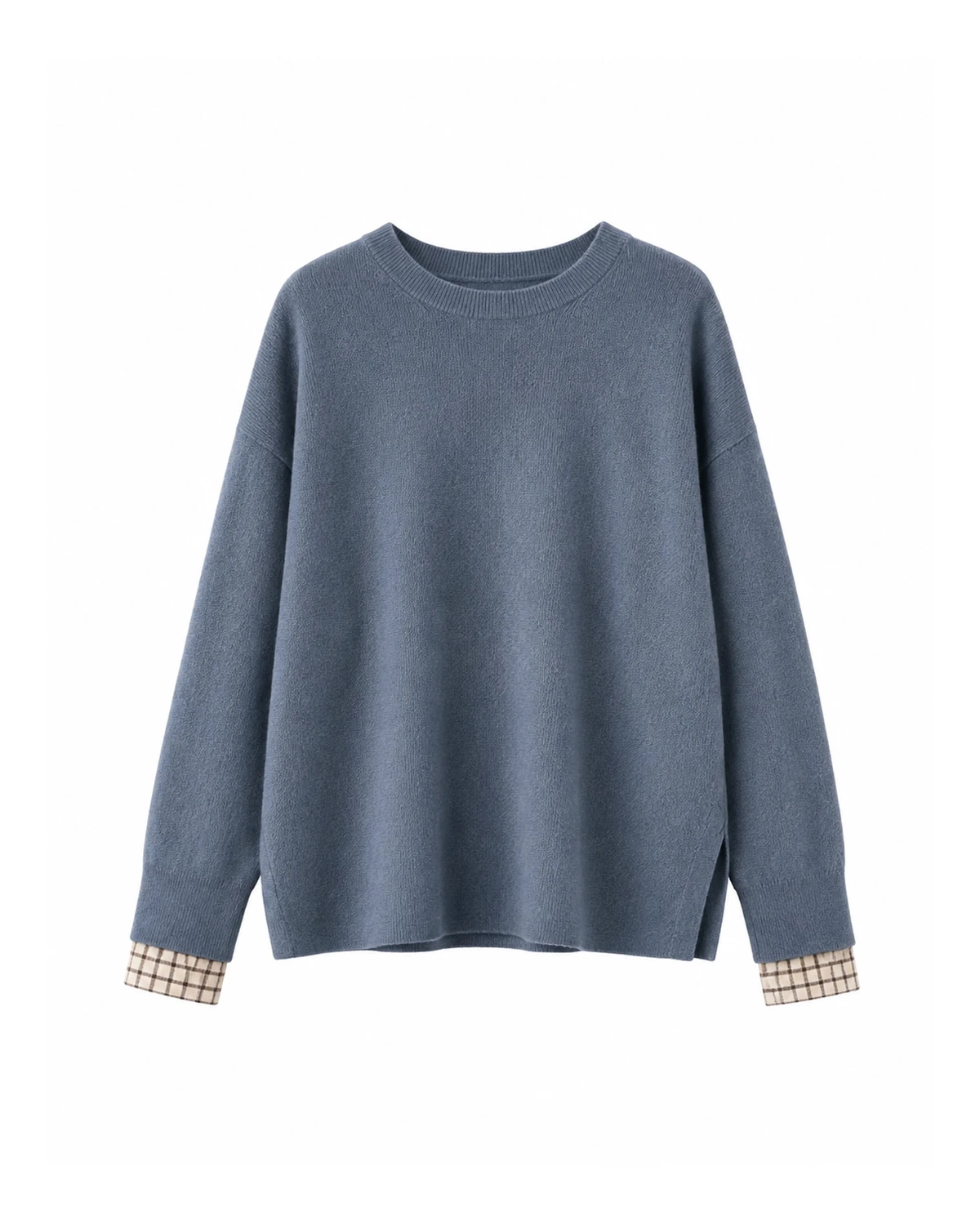
The catalog separates Sweaters and Outerwear, then Men and Women. Each displayed direction can be reviewed against the buyer specification before sampling and production coordination begin.
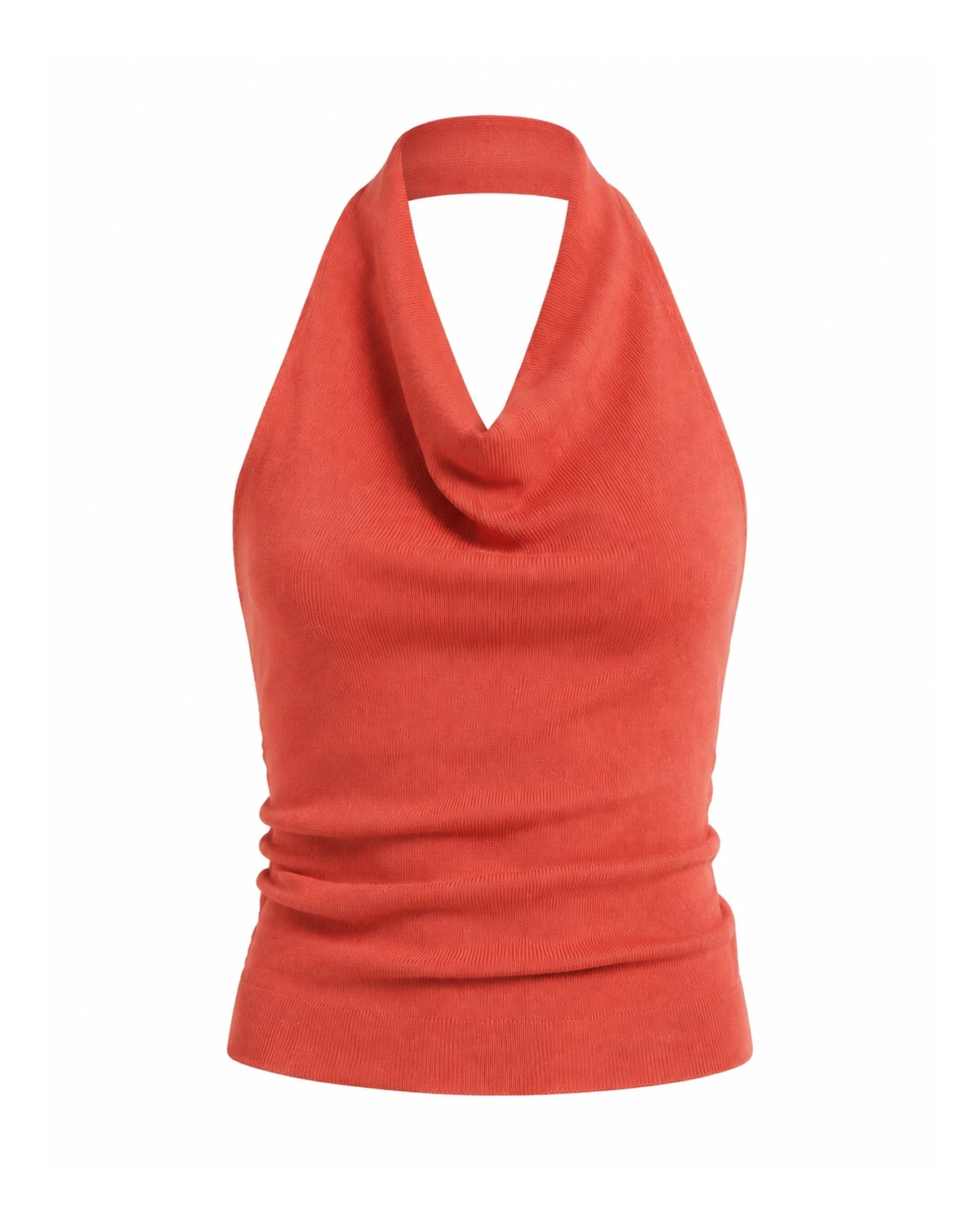
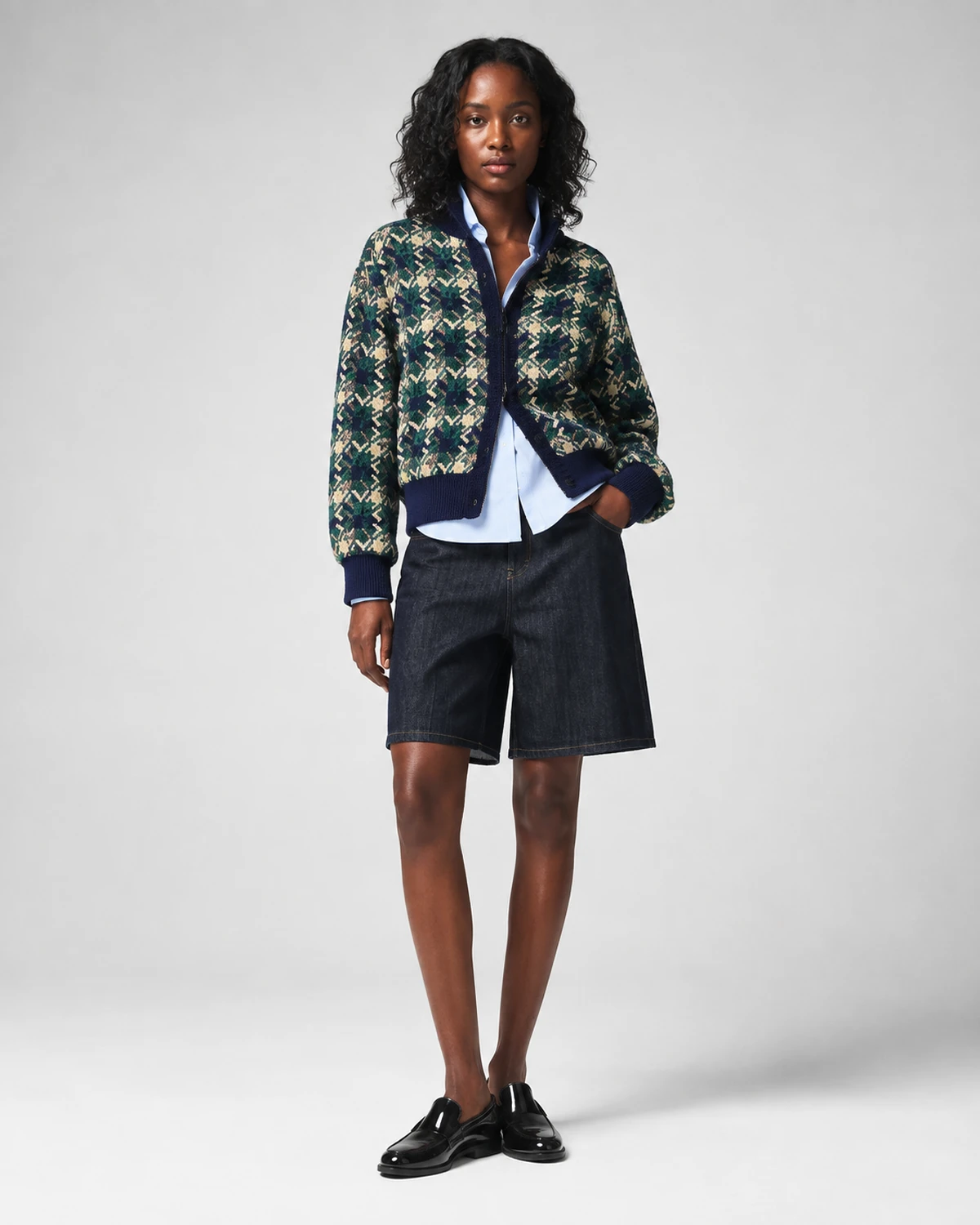
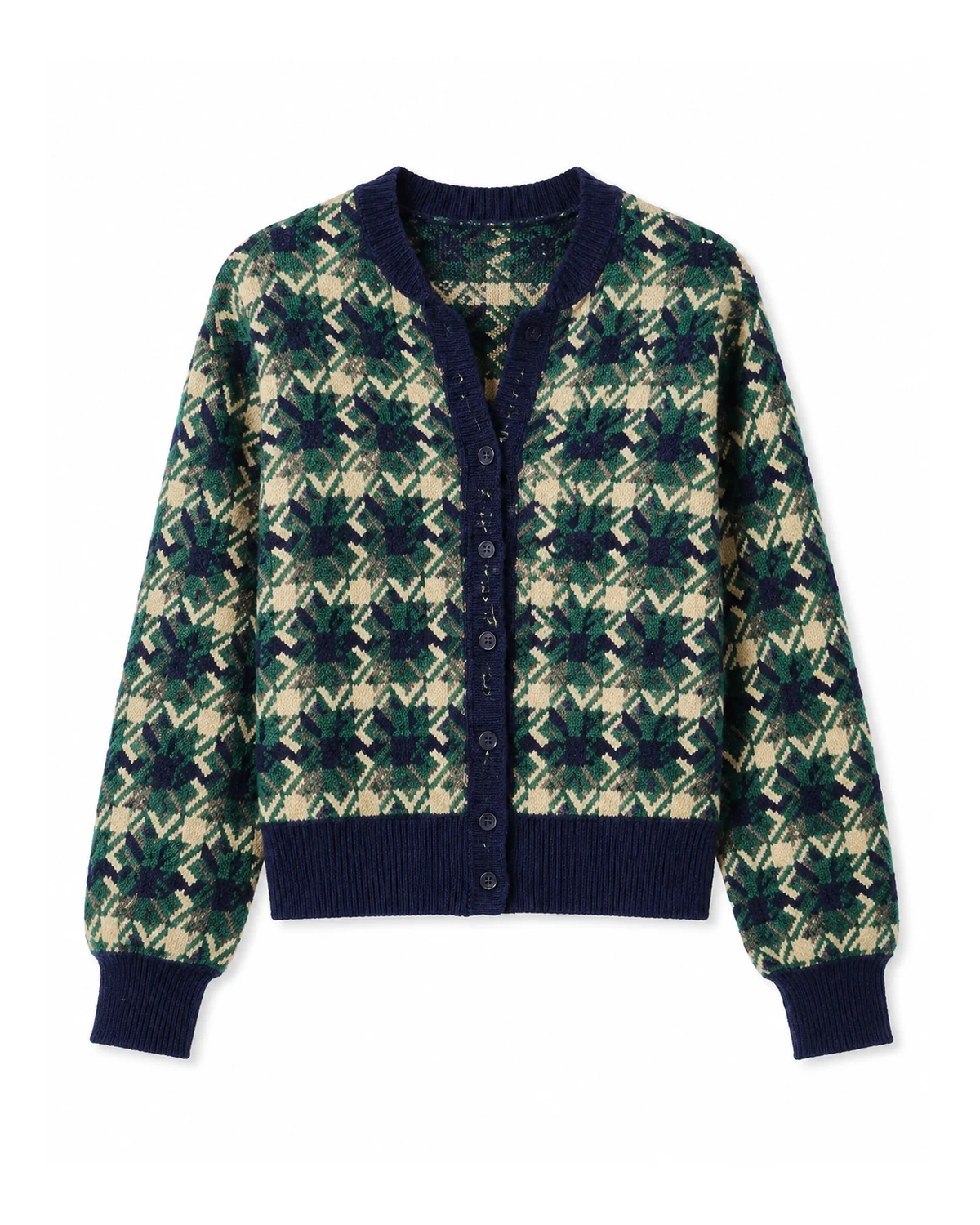
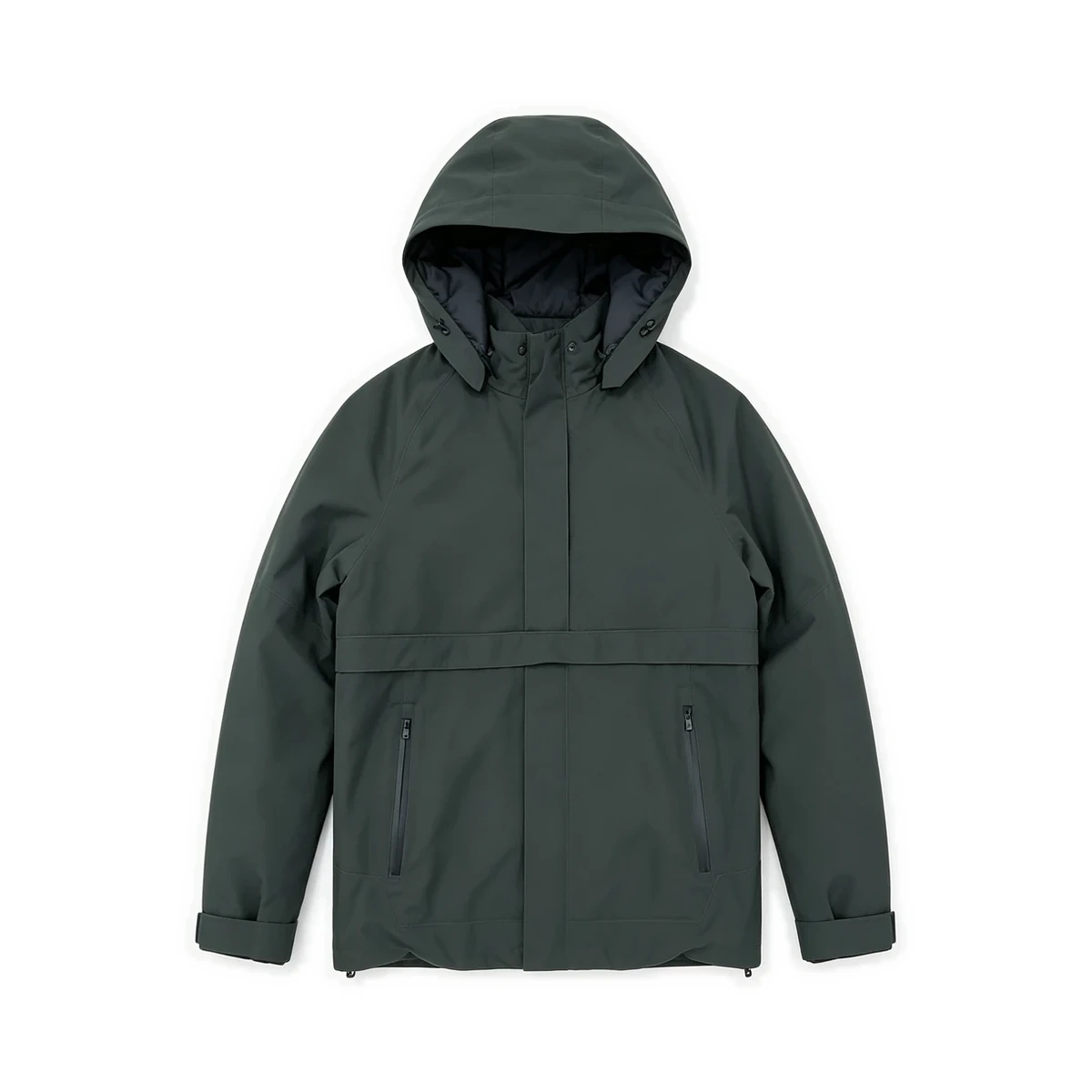
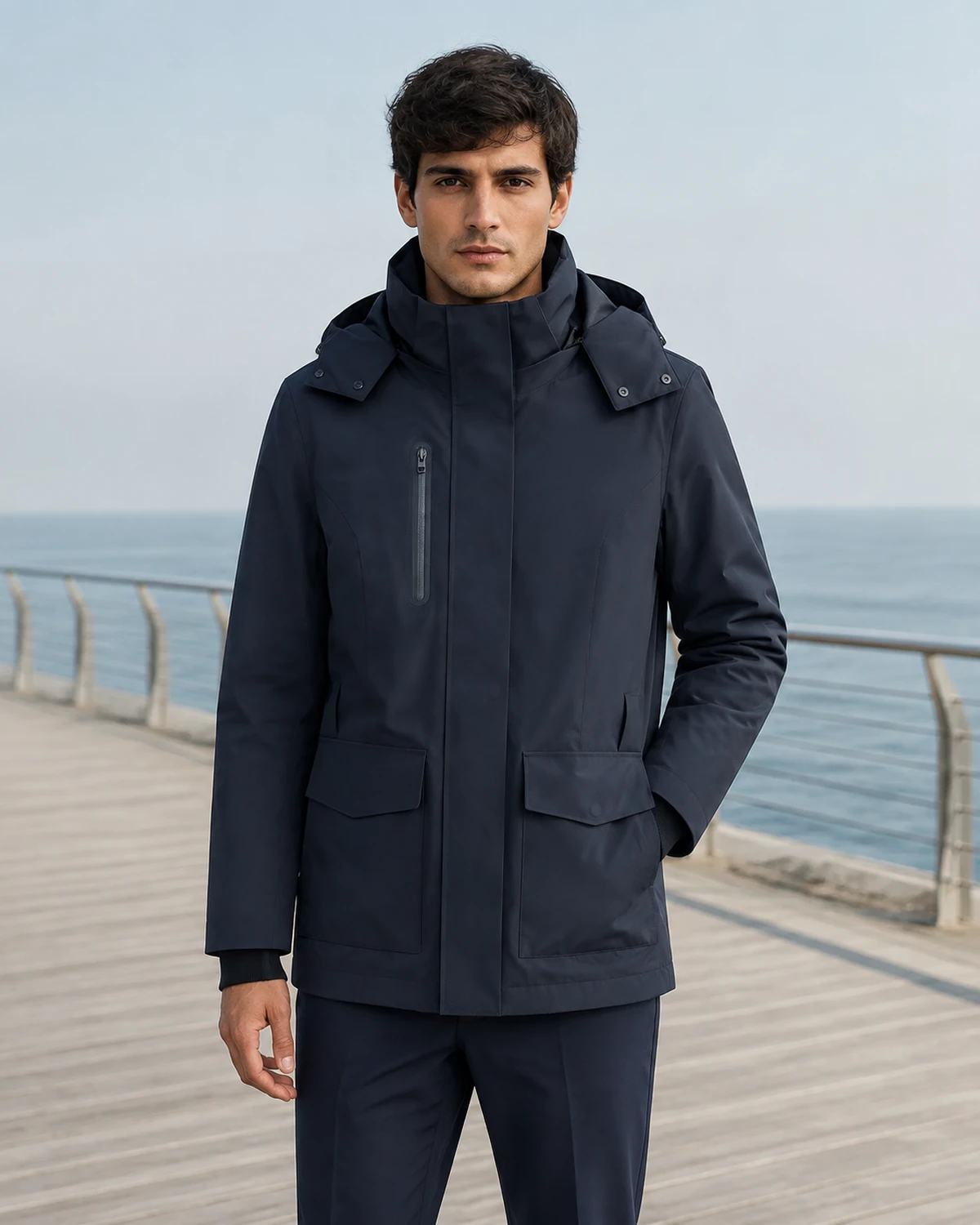
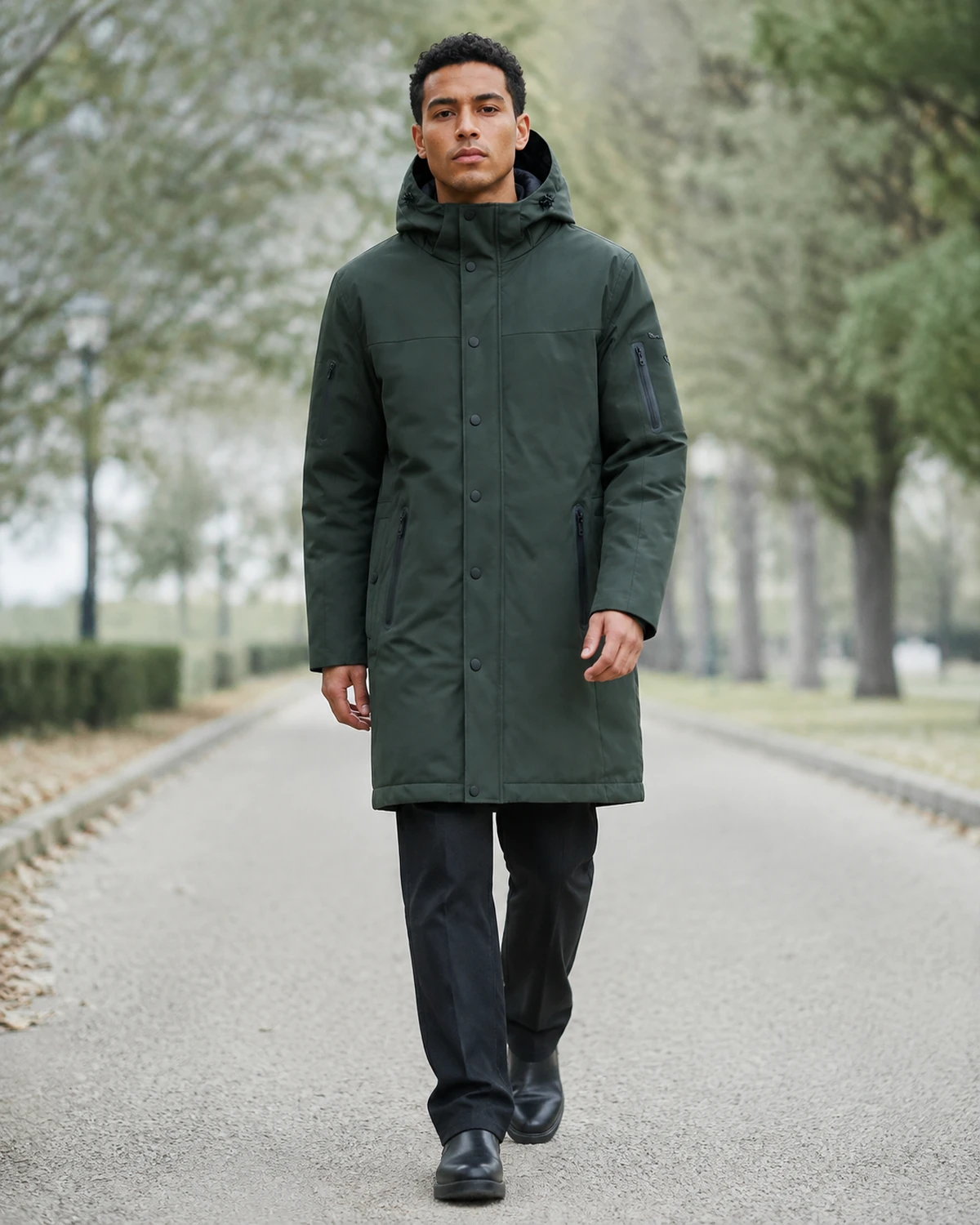
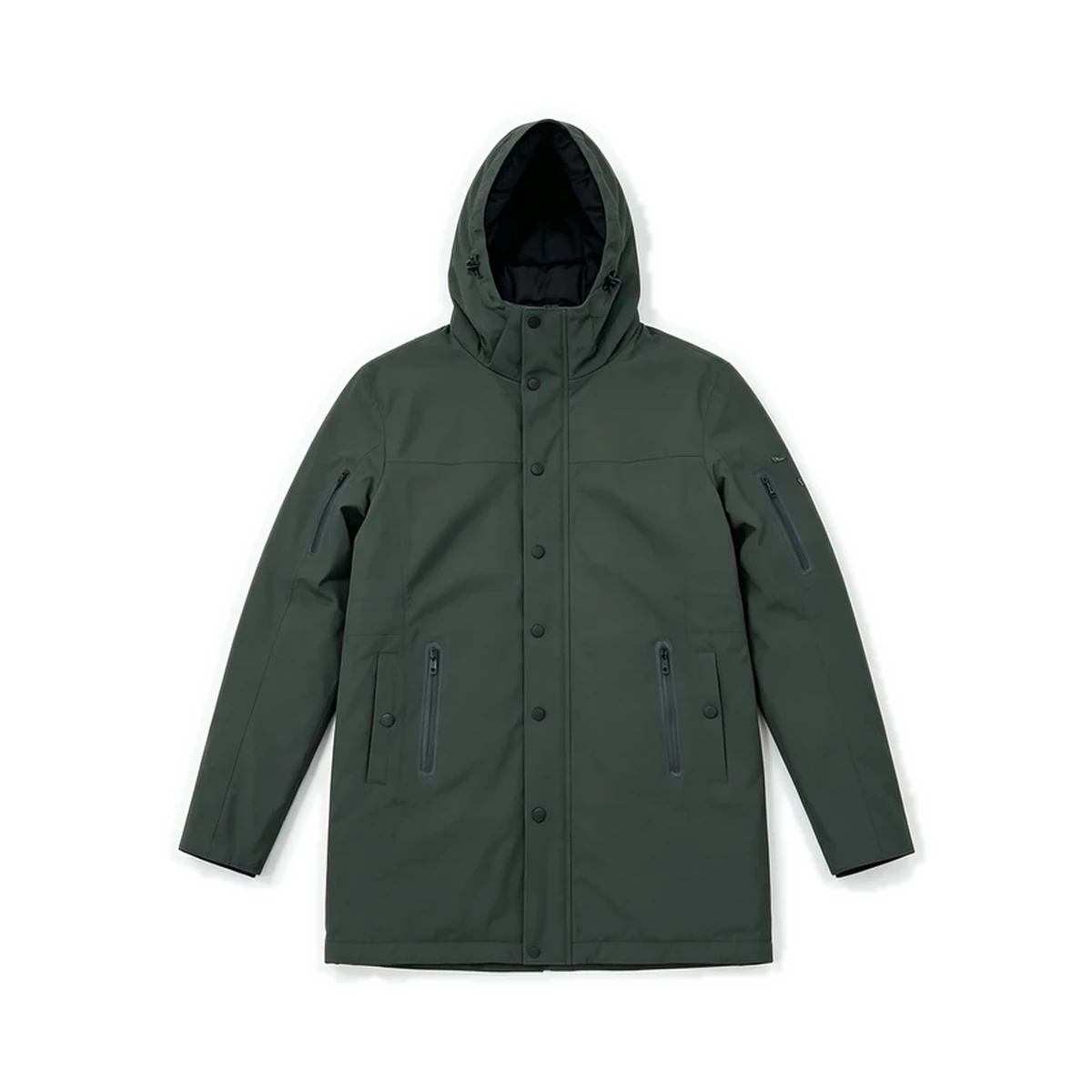
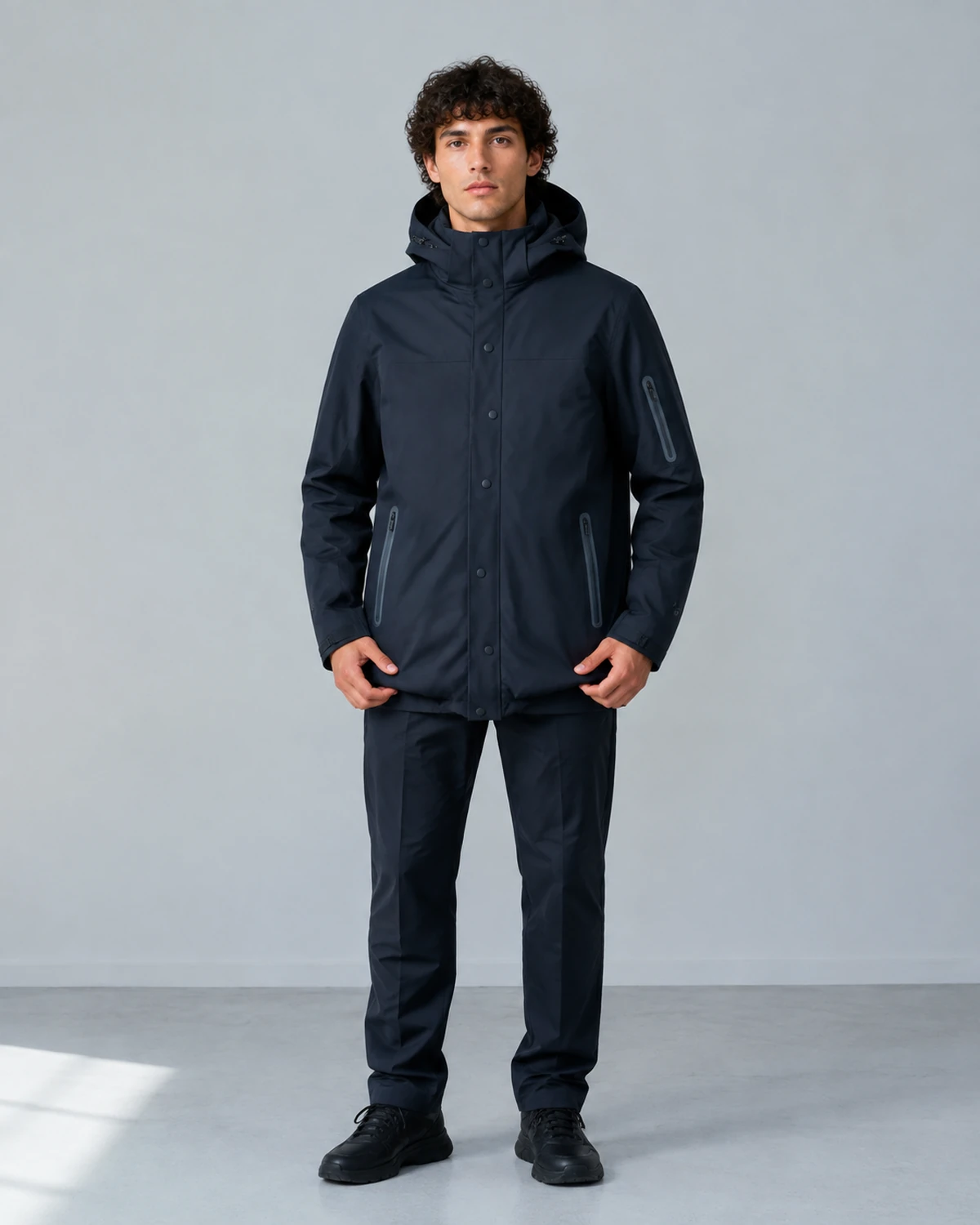
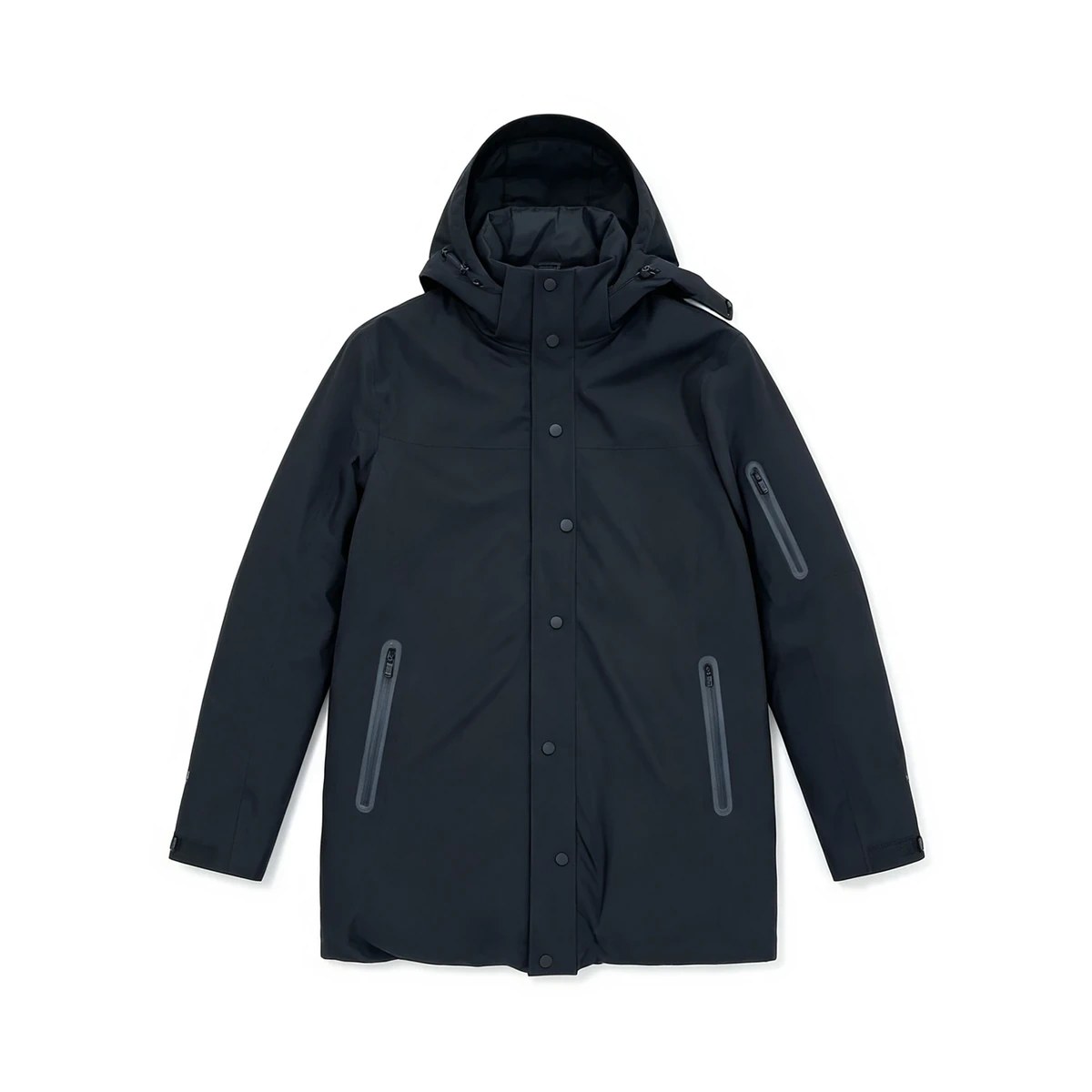
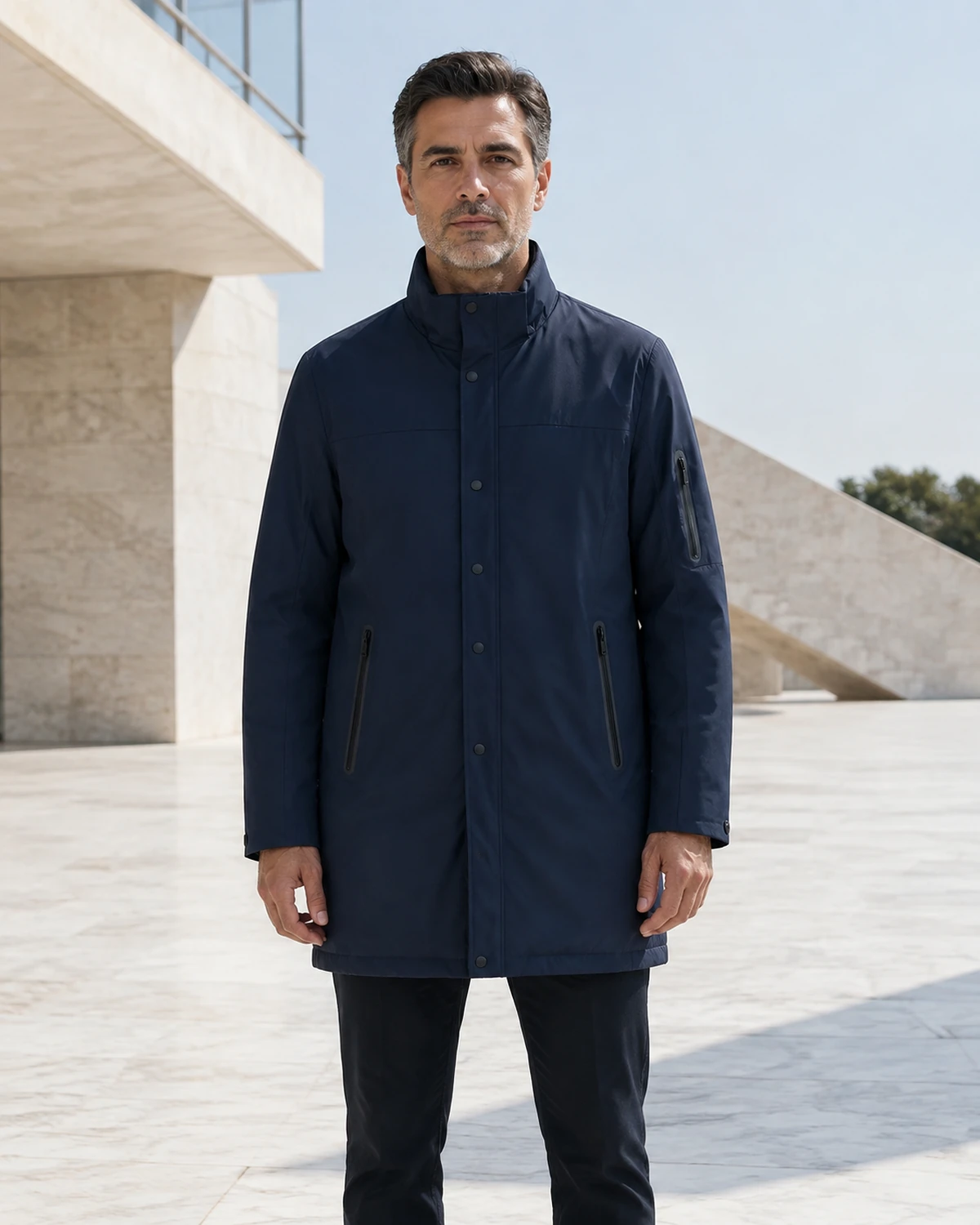
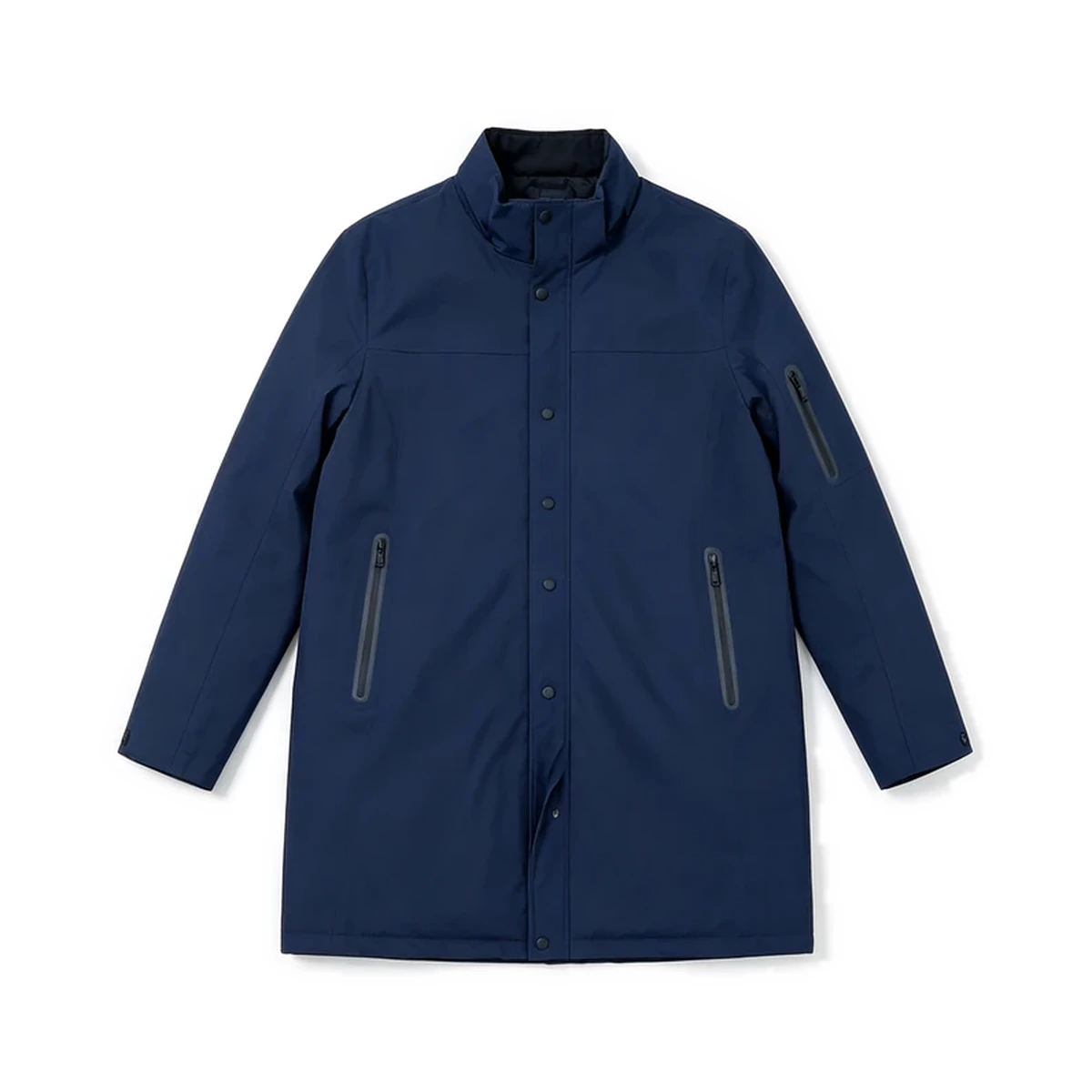
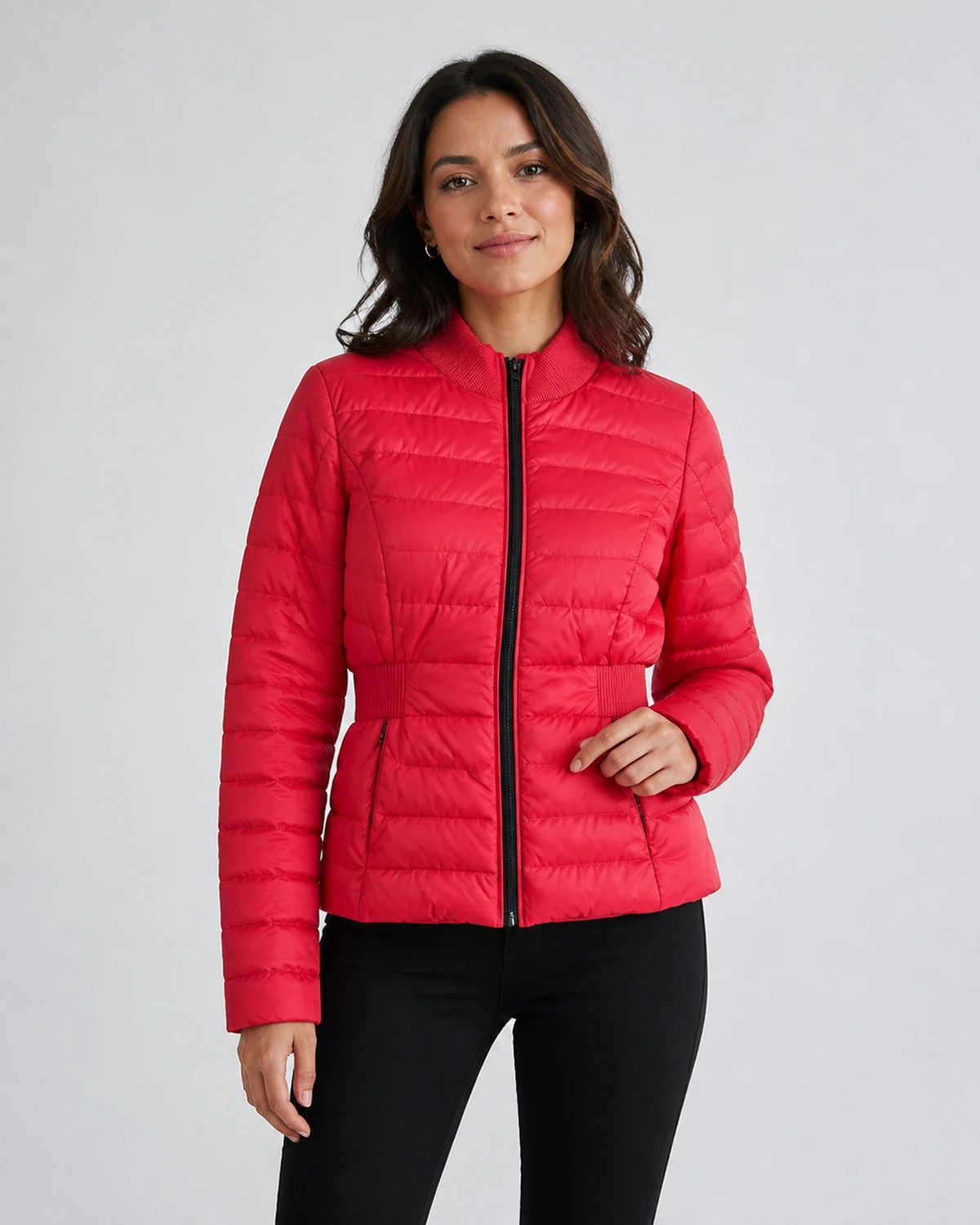
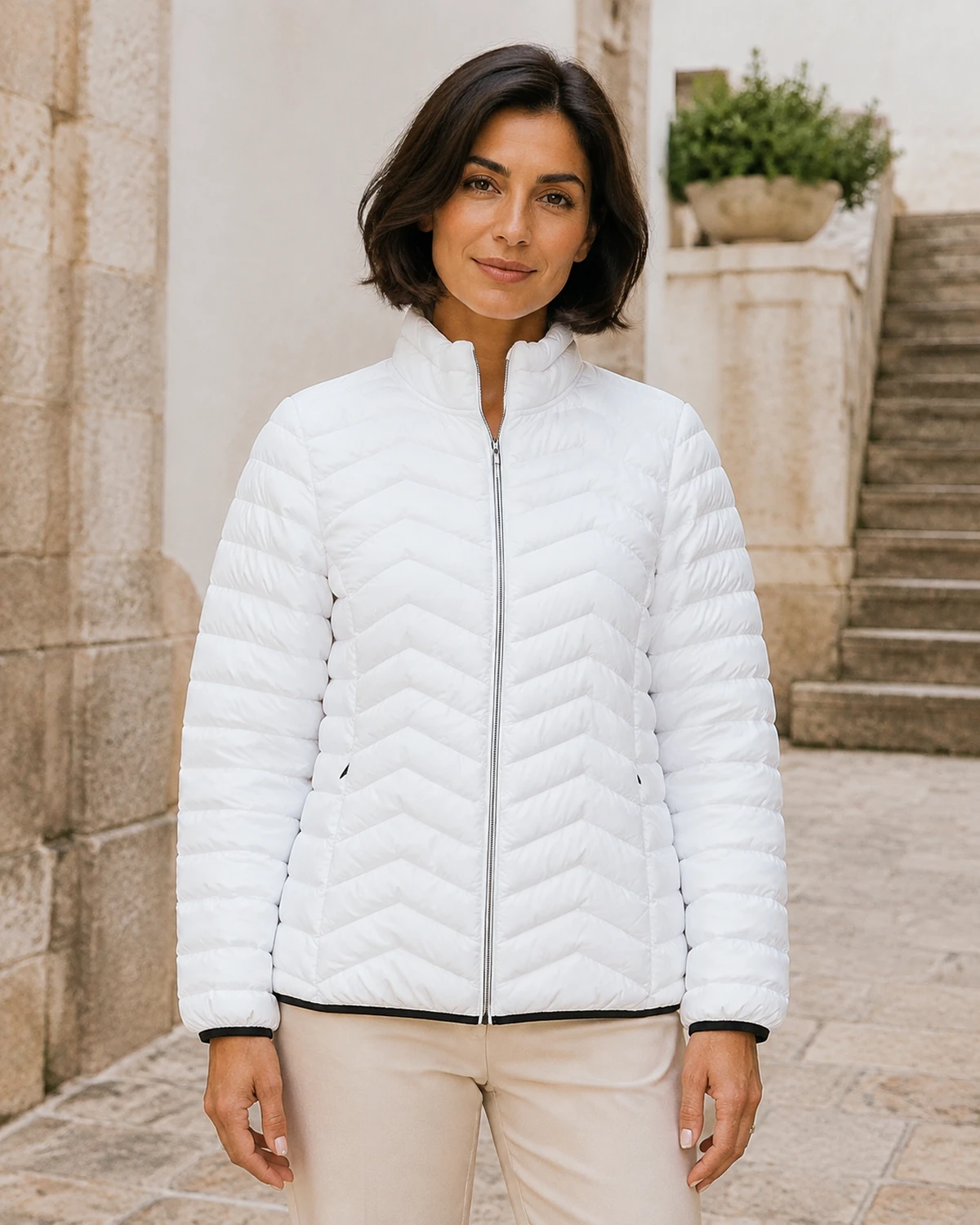
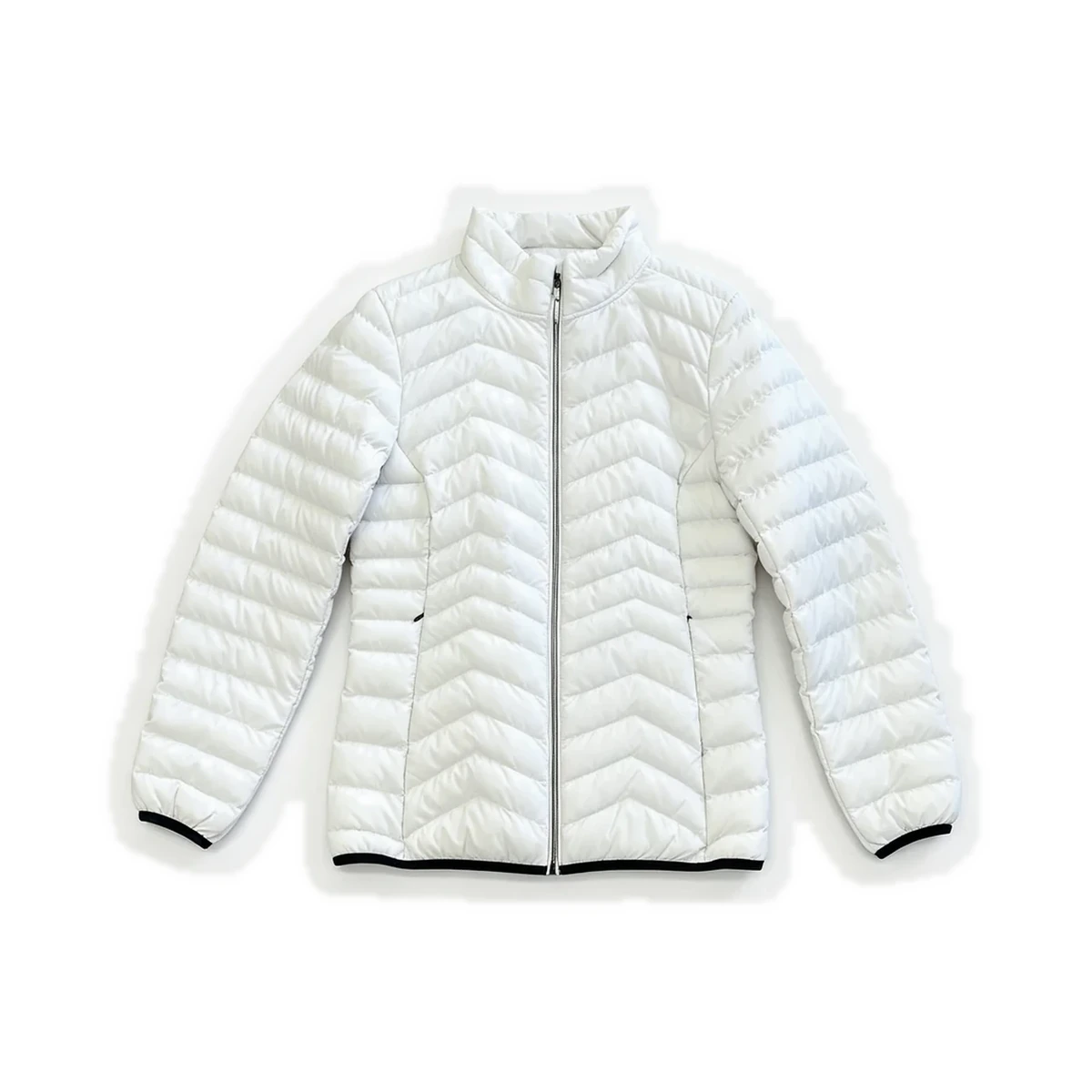
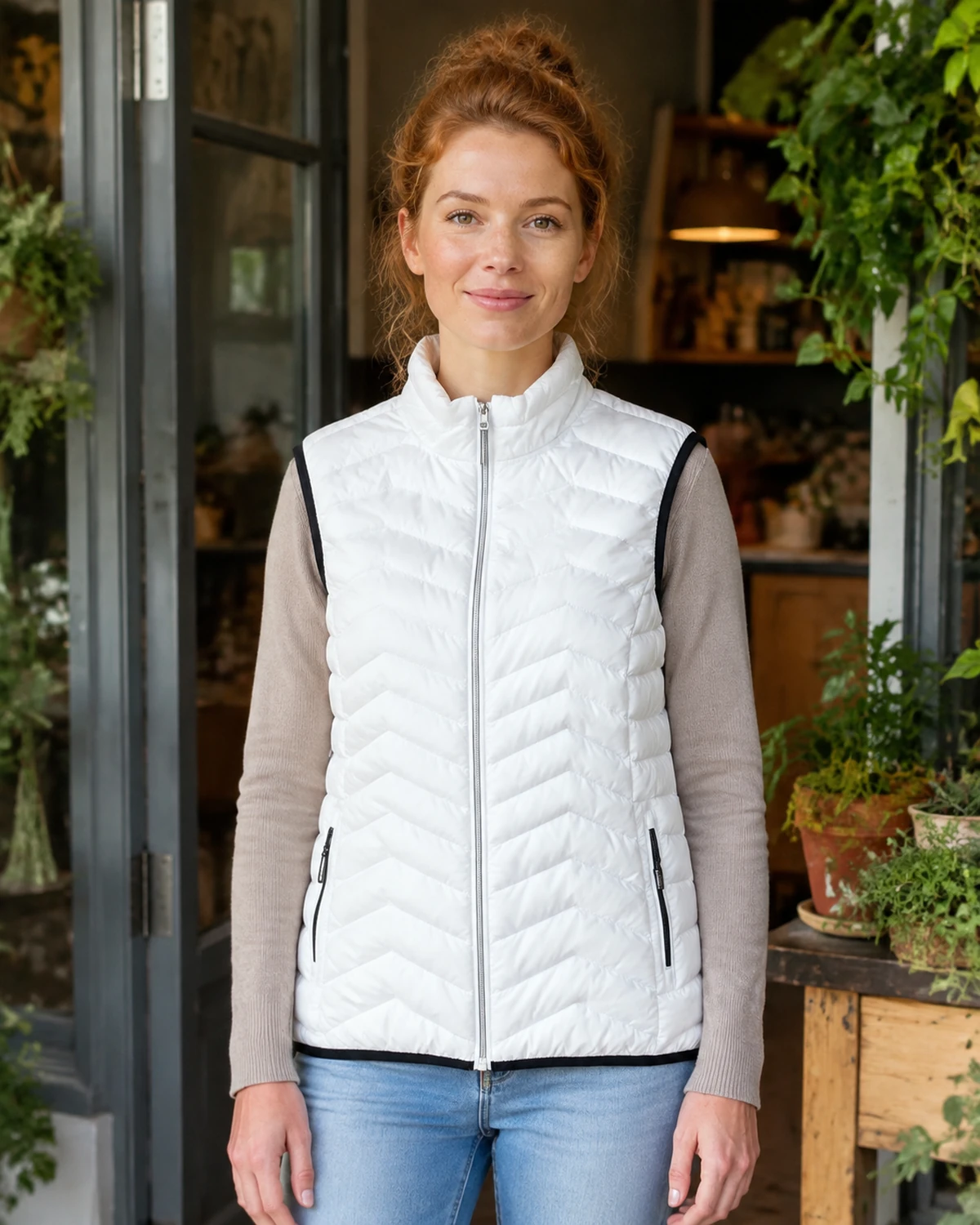
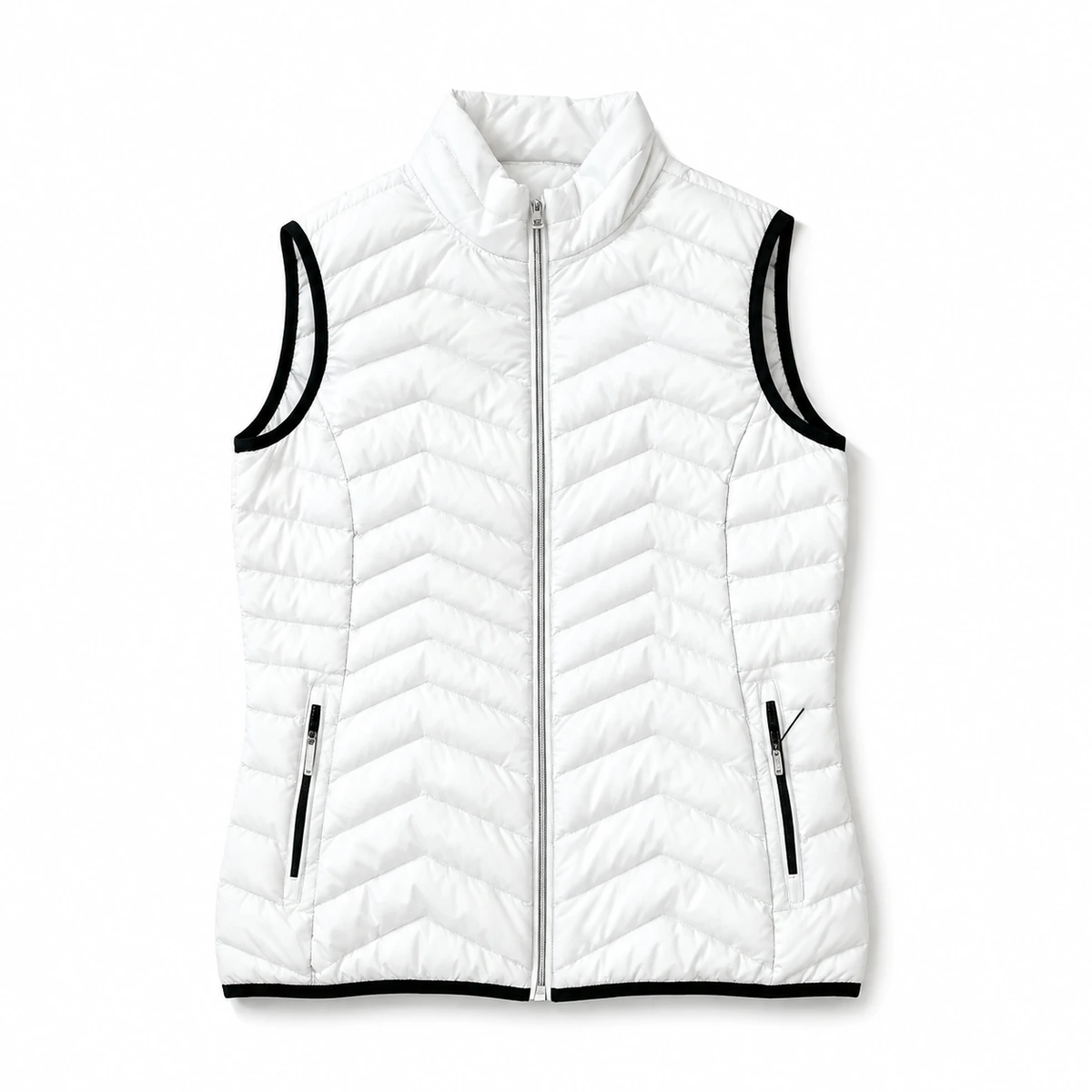
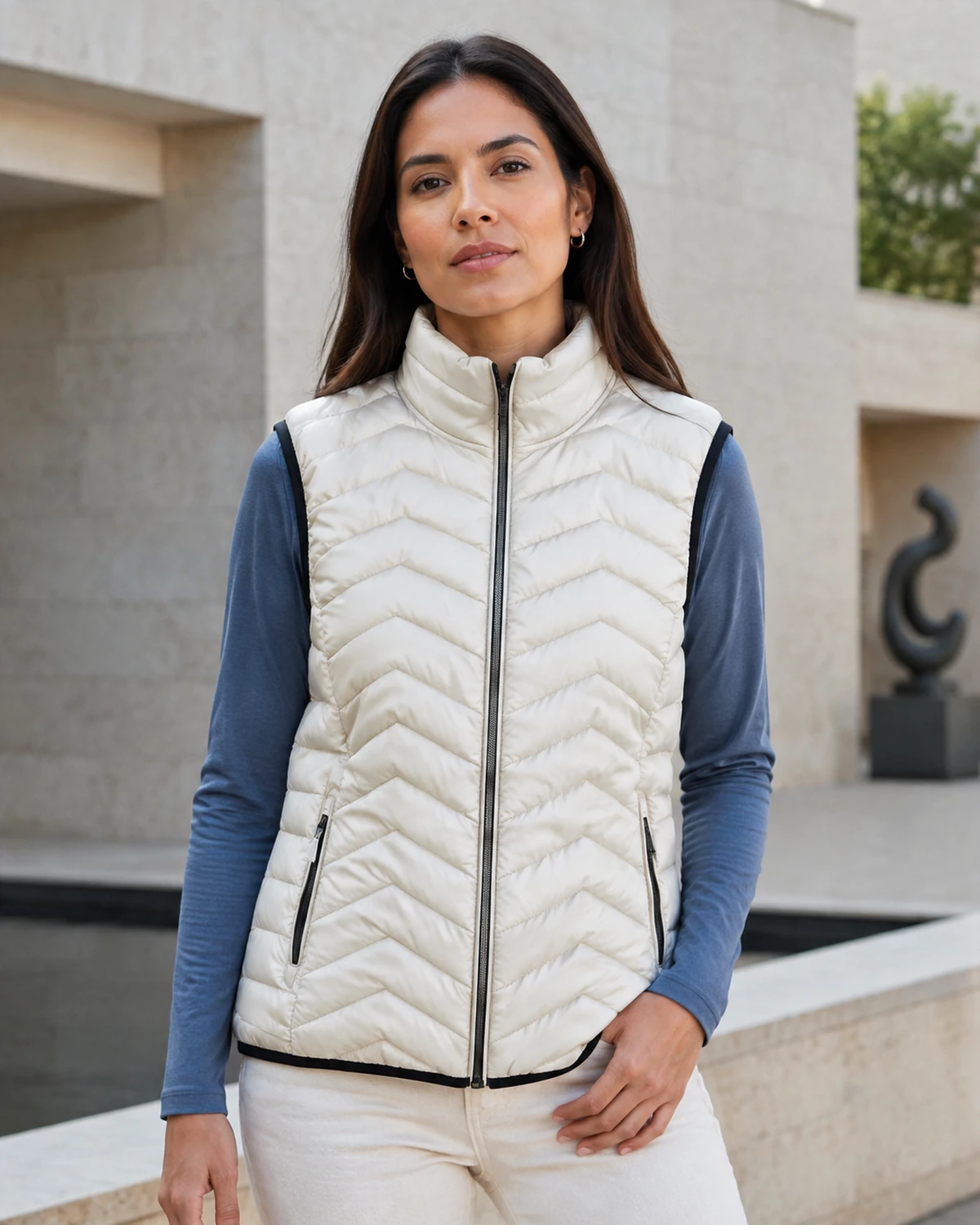
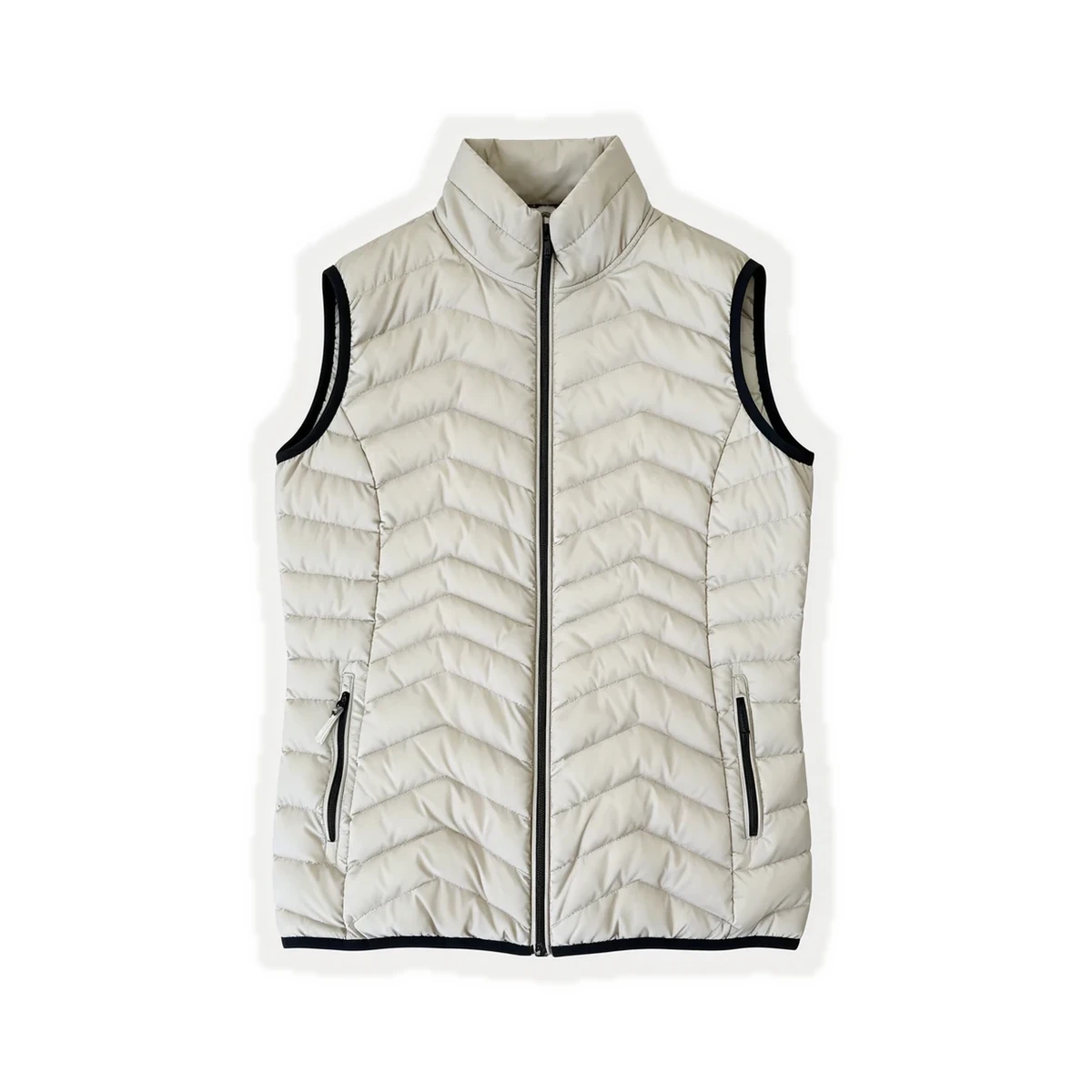
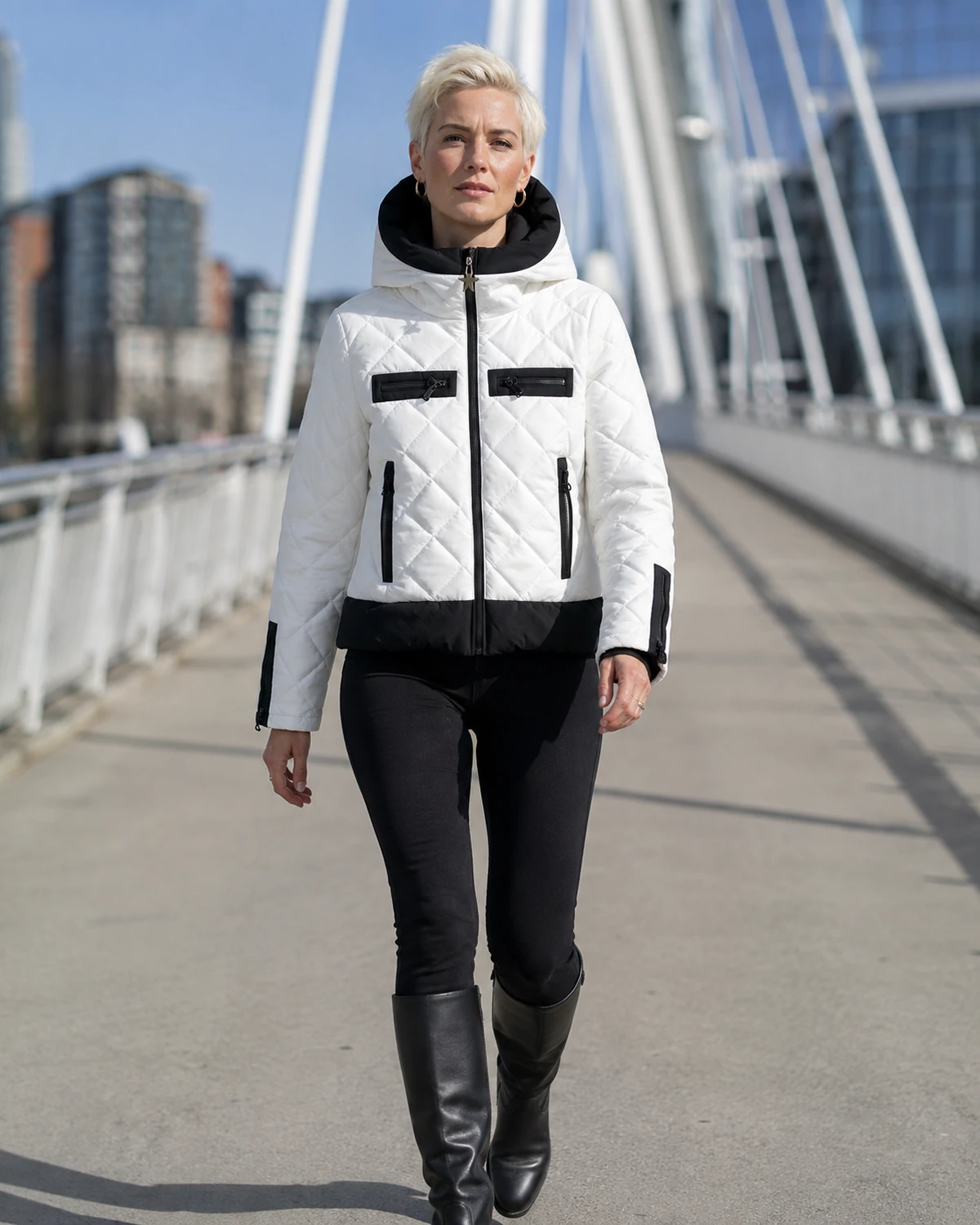
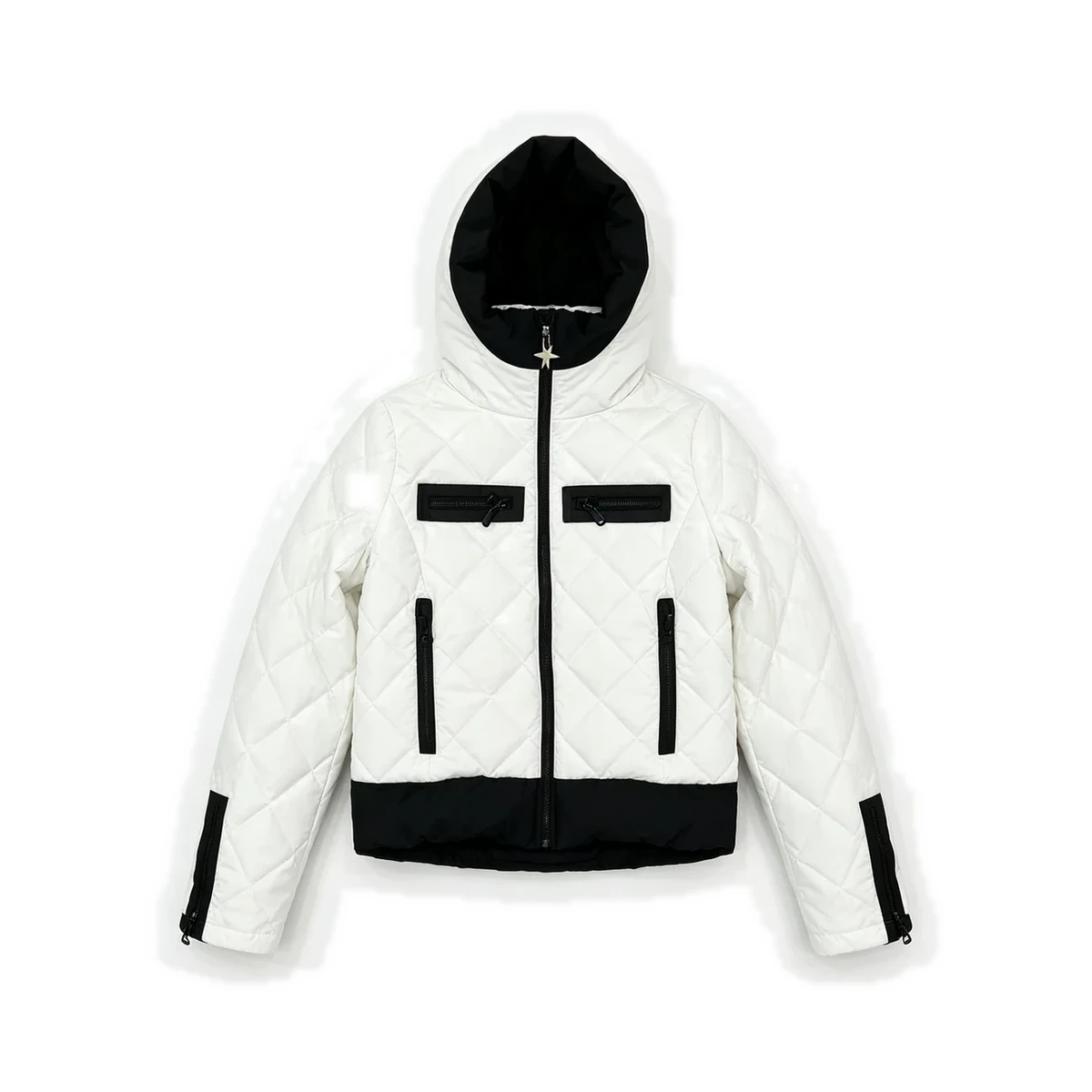
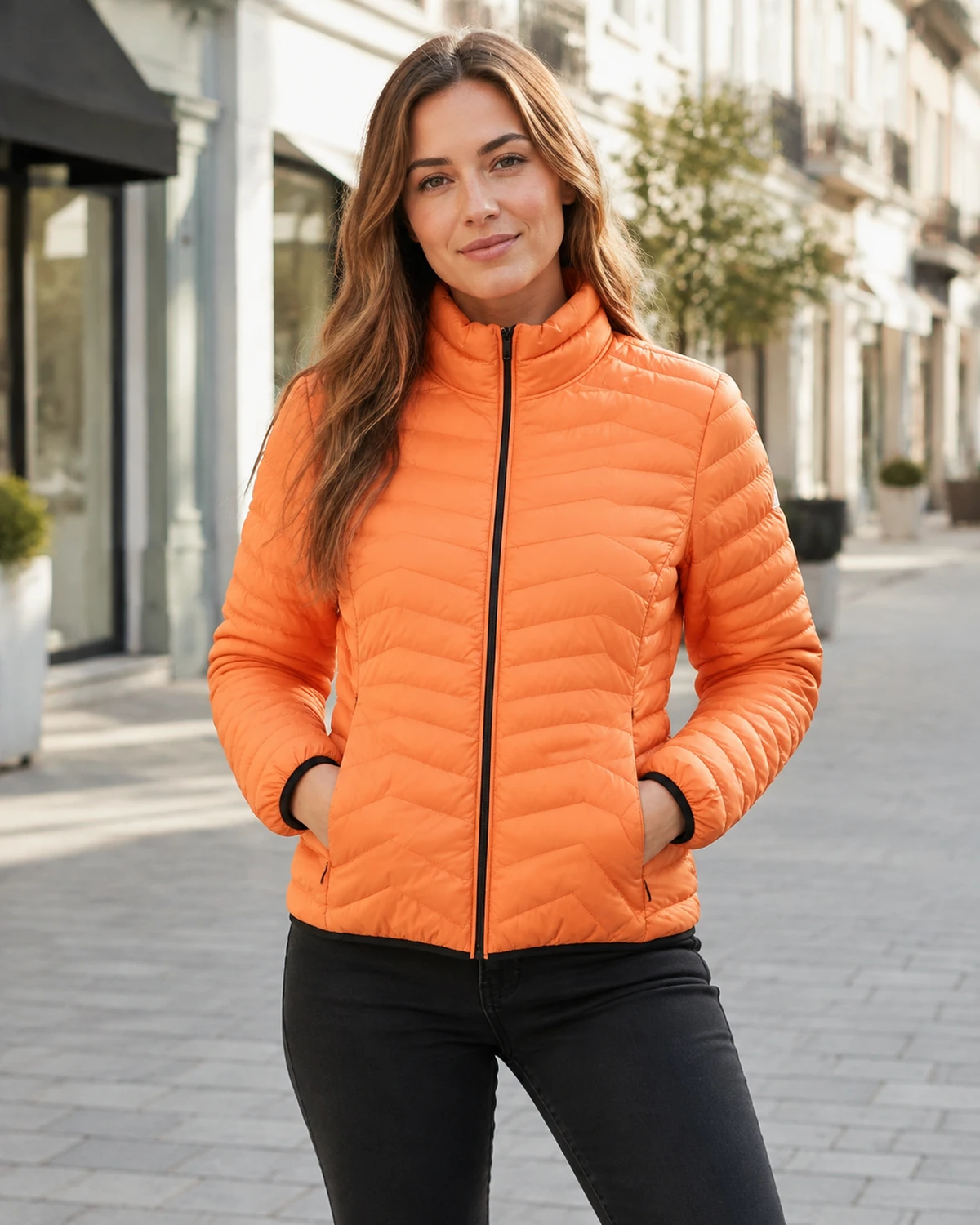
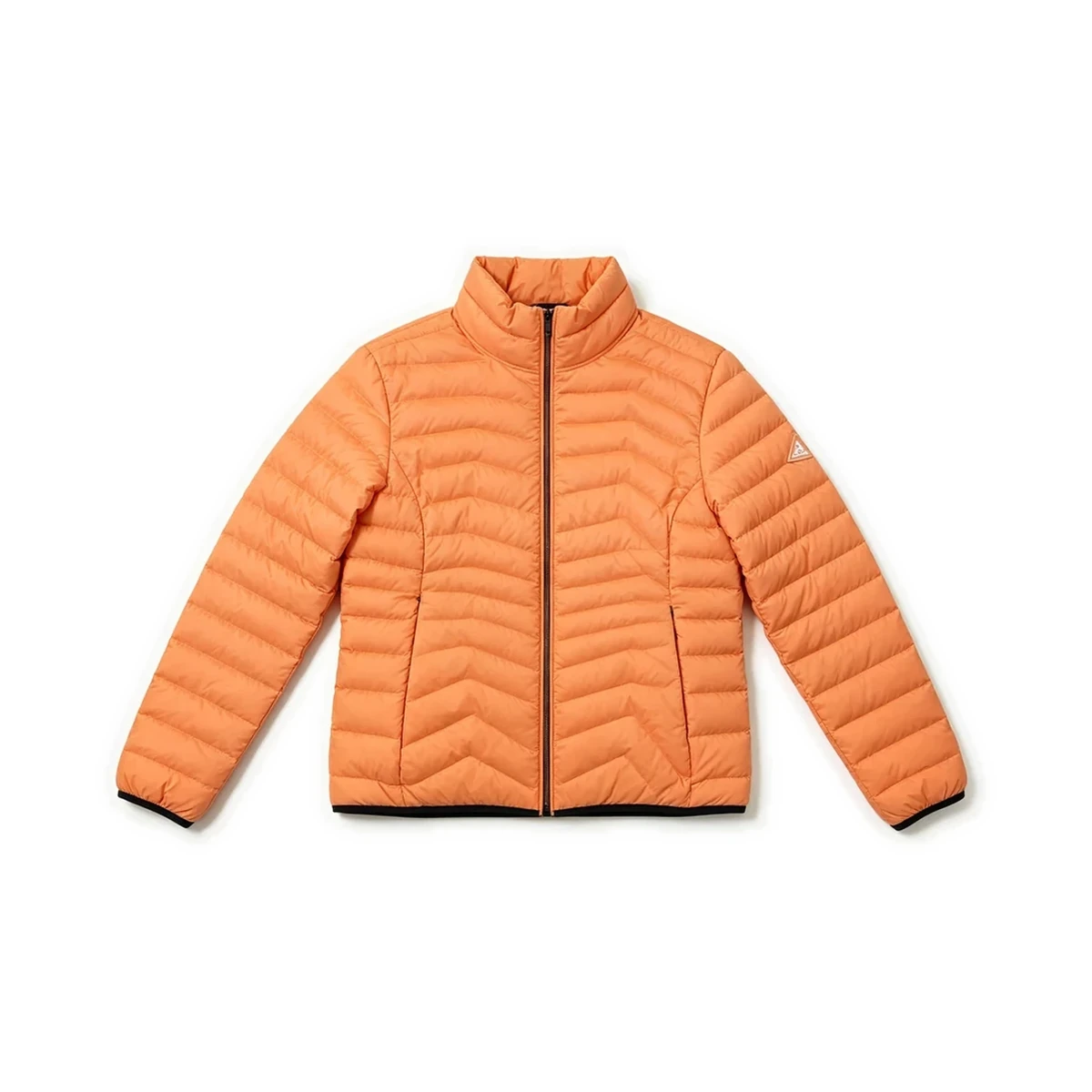
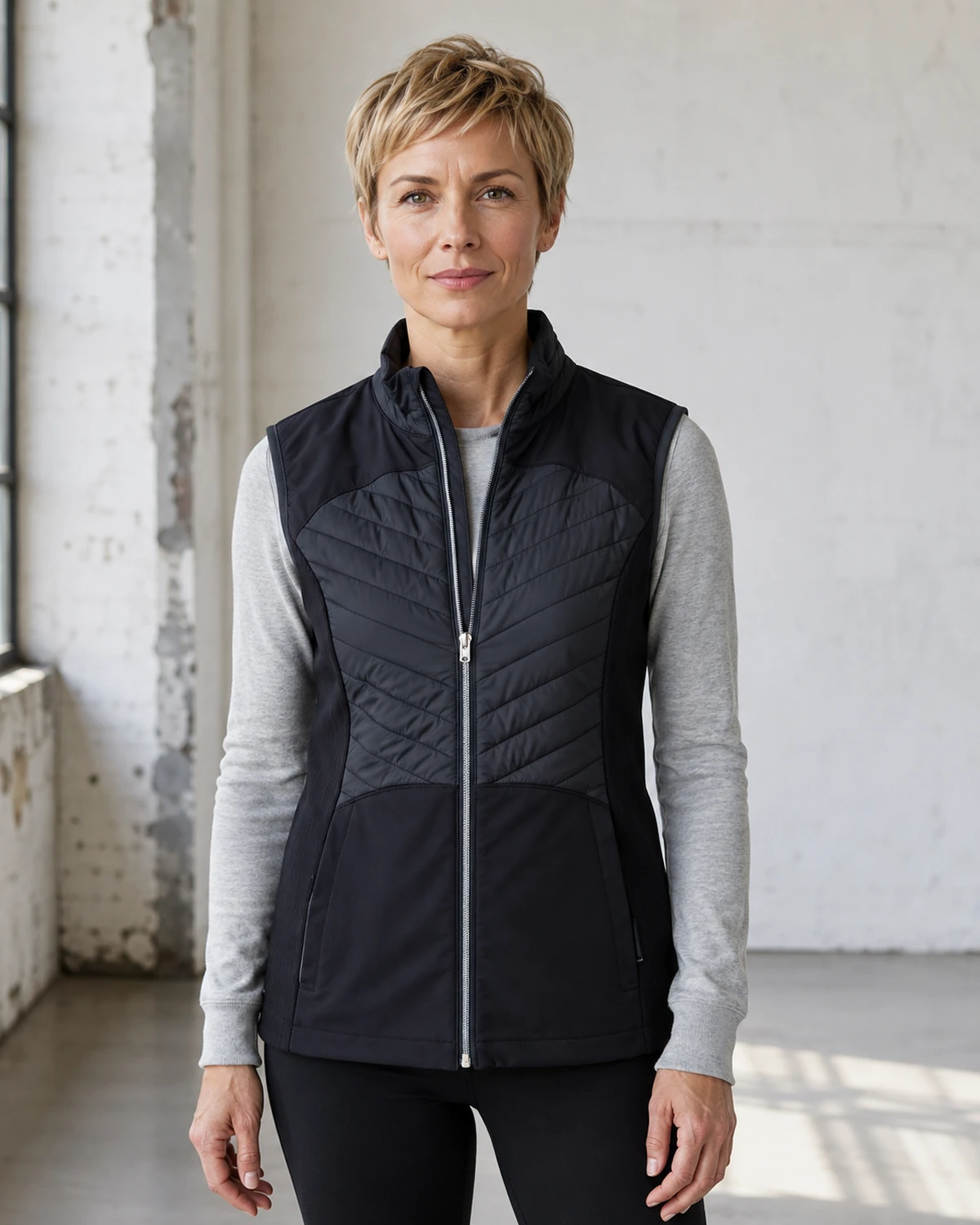
A model image communicates styling, while the product image shows the construction direction. Neither replaces a technical specification. Yarn or shell composition, weight, measurement chart, tolerances, stitching, insulation, trims, color standards and packing must be approved separately.
TUACC reviews whether the requested construction fits available specialist resources, then records sample revisions and the final approved reference before a production decision. Testing, MOQ, price and timing remain project-specific.
Information needed for review
- Style sketch or reference sample
- Material, shell and insulation
- Measurements and size range
- Construction, finish and decoration
- Labels and packaging
- Target market and required documentation
Review path
- Brief submission
- Construction review
- Resource assessment
- Sample plan
- Approval sequence
- Production decision
Sweaters and outerwear
Men's Sweaters Women's Sweaters Men's Outerwear Women's Outerwear
men sweaters
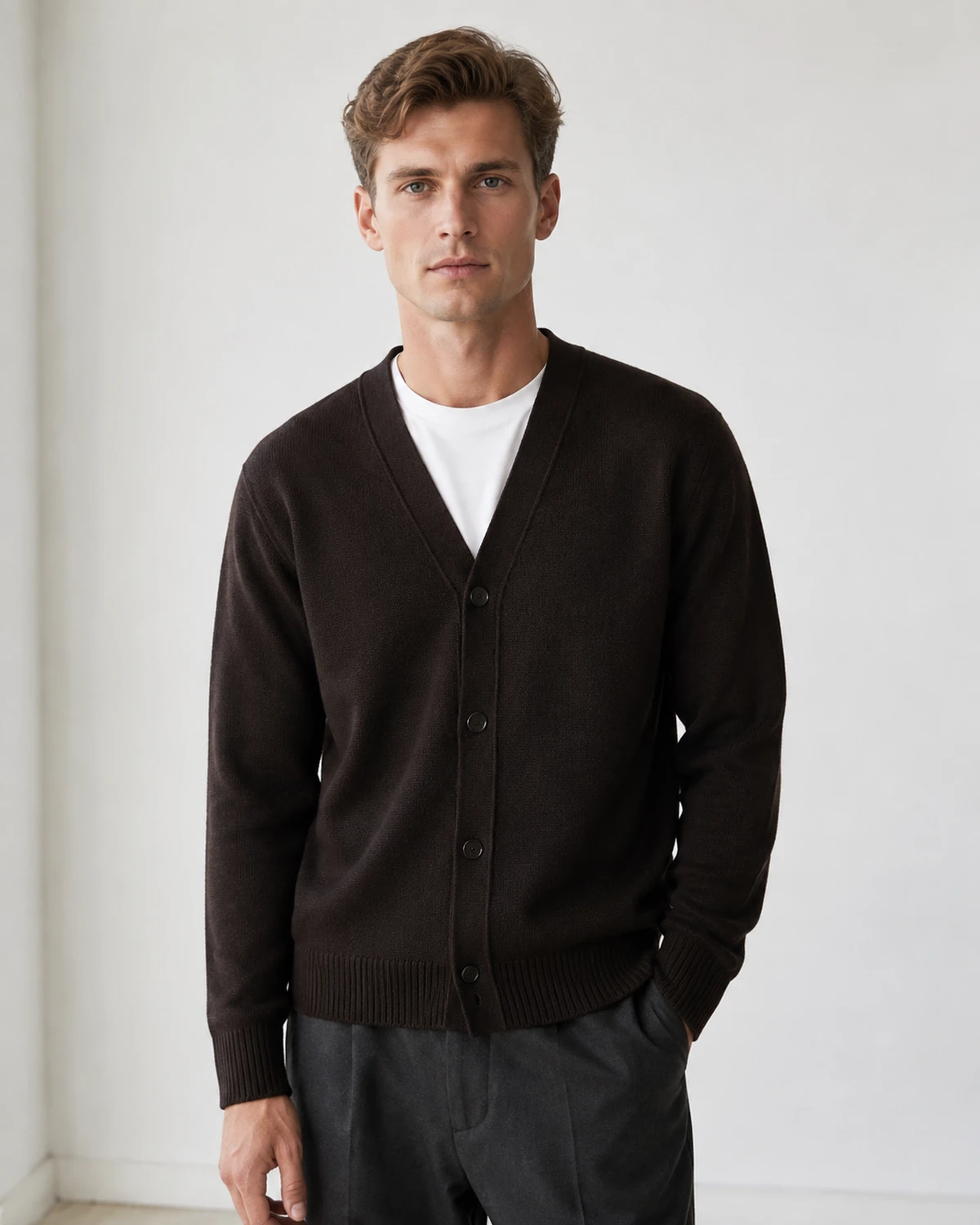
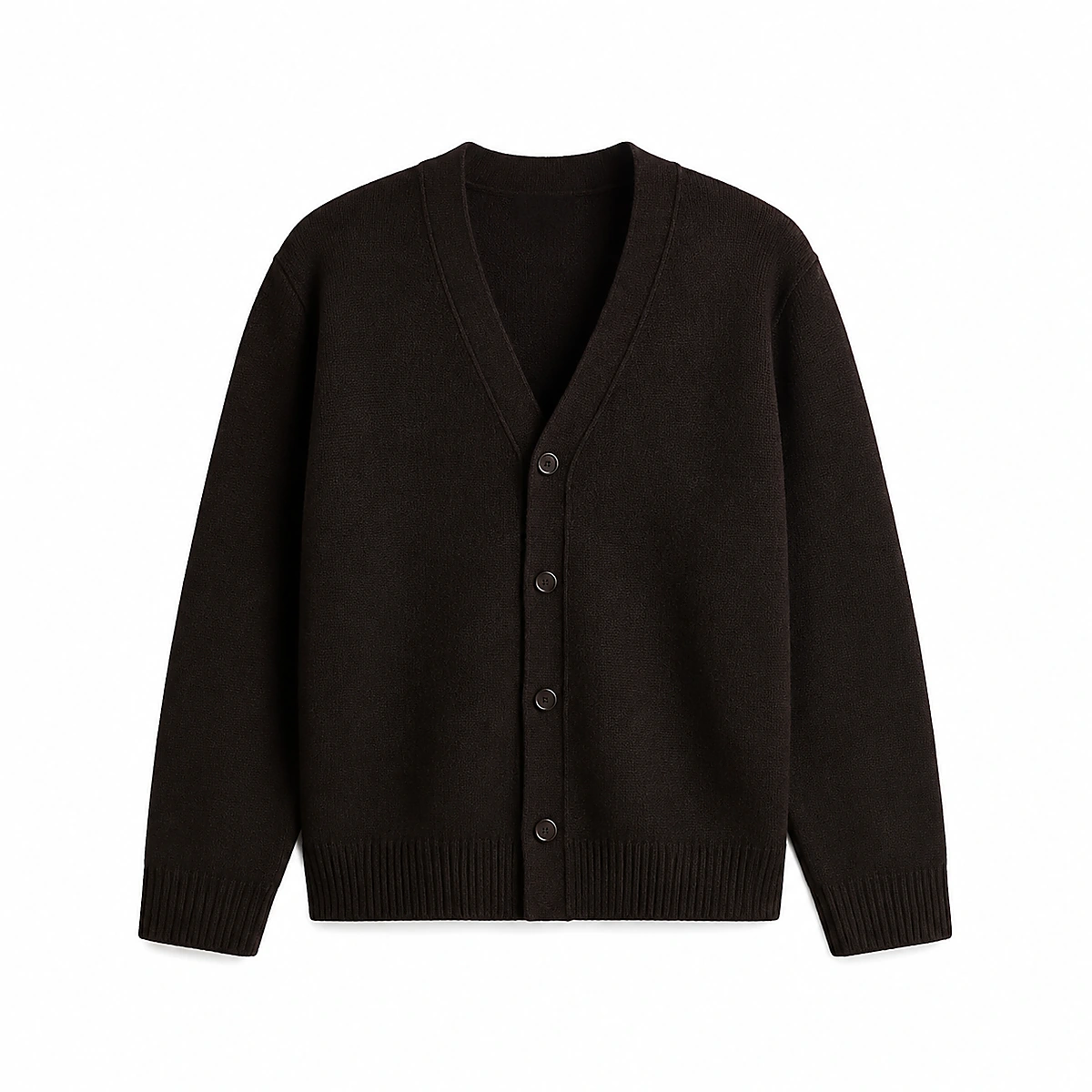
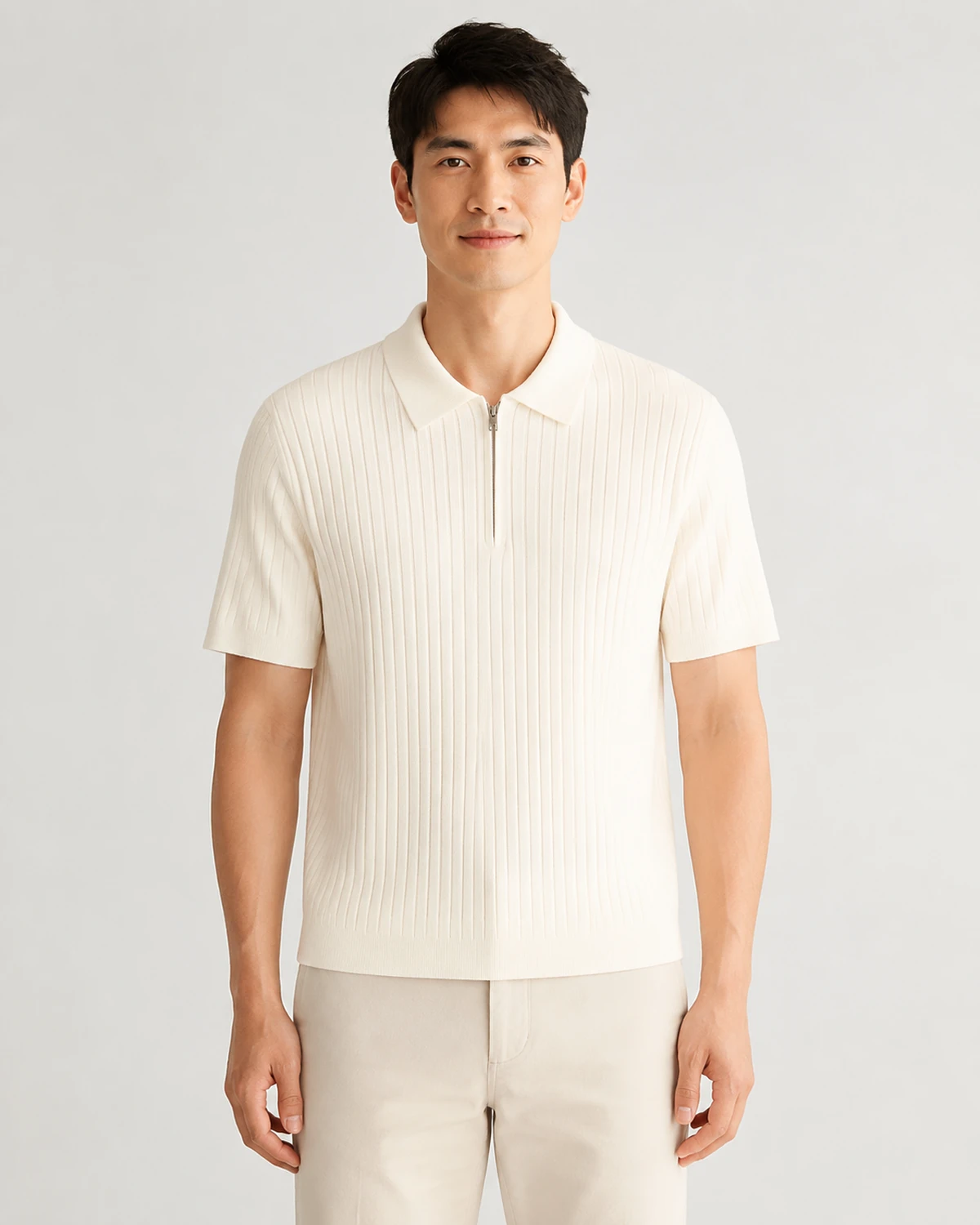
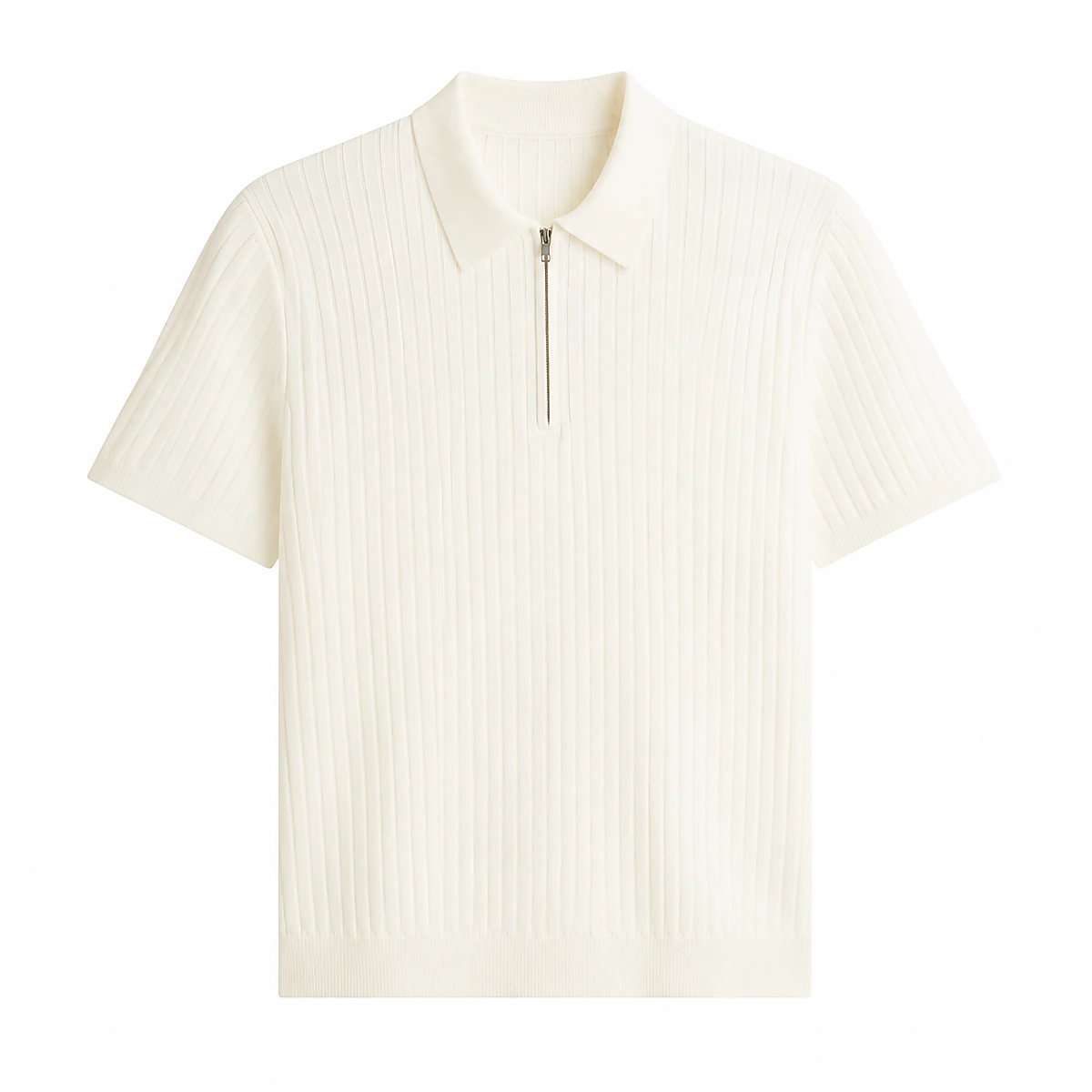
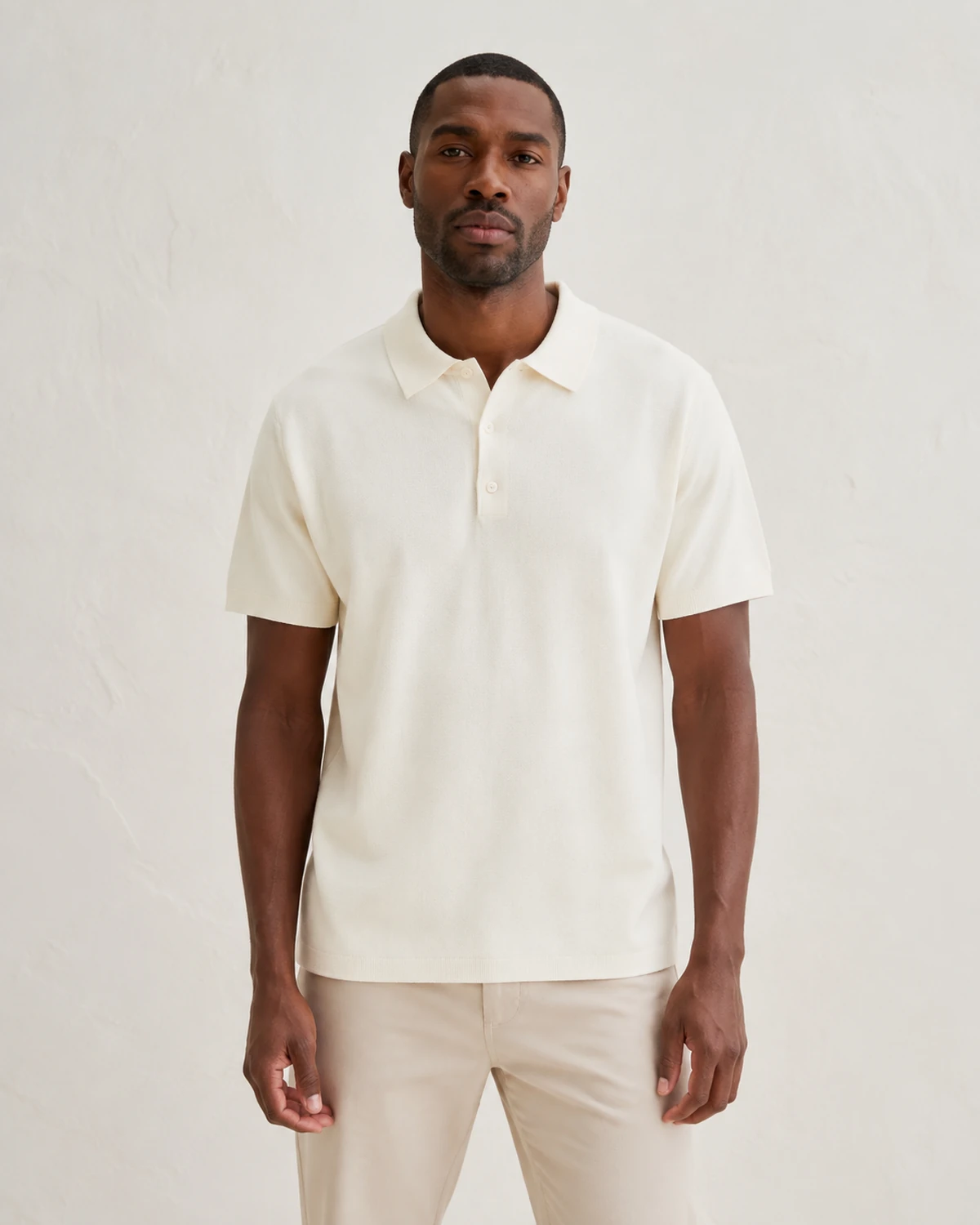
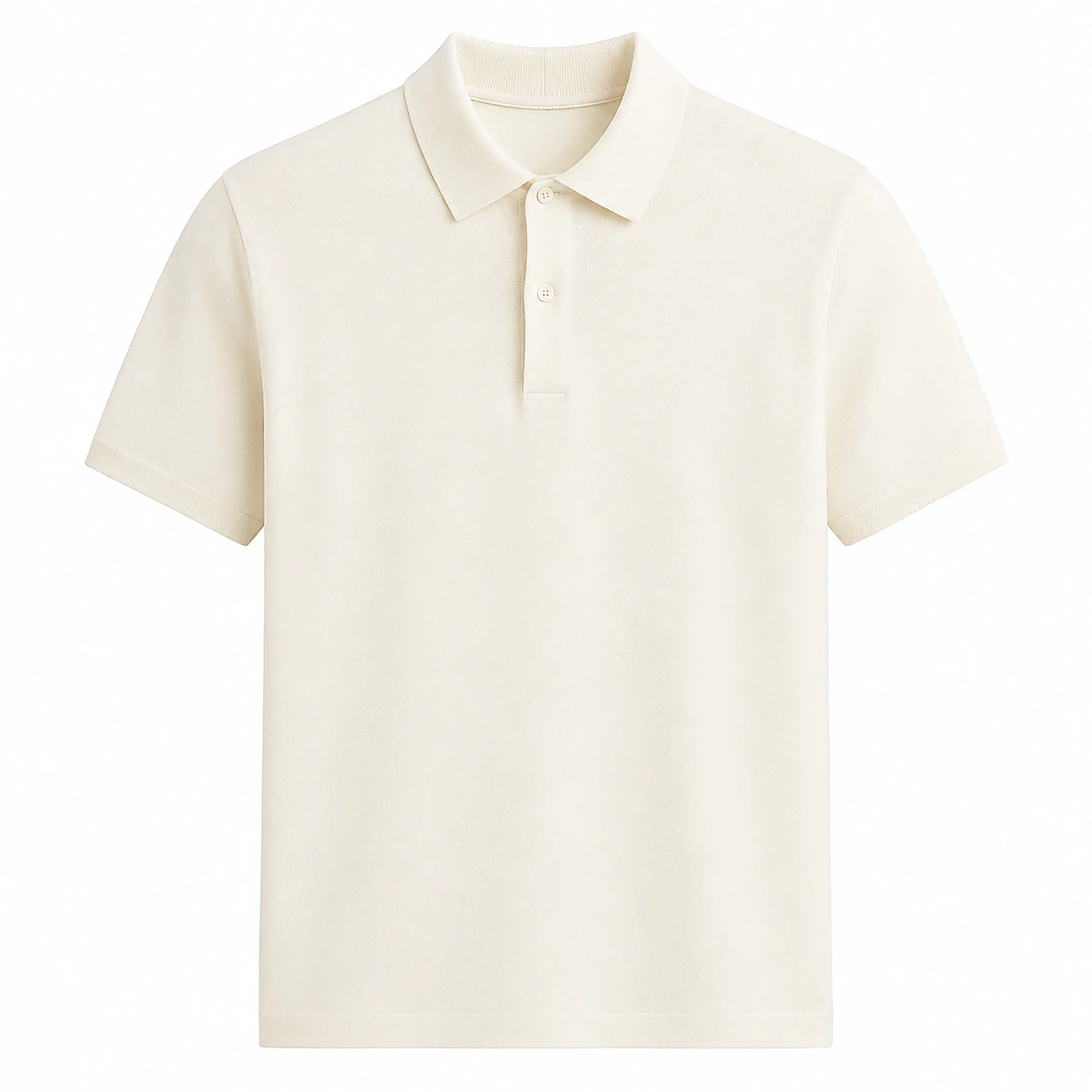
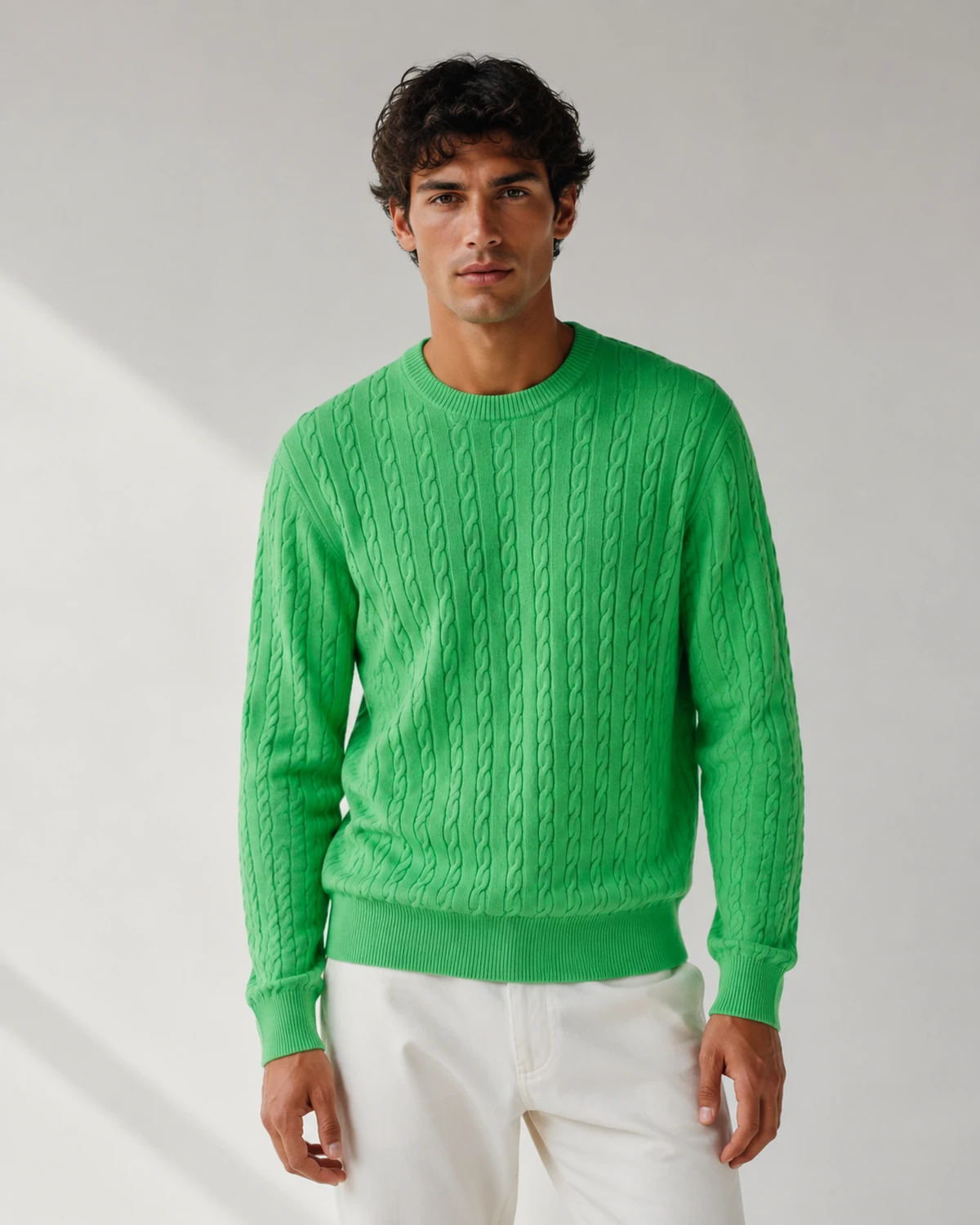
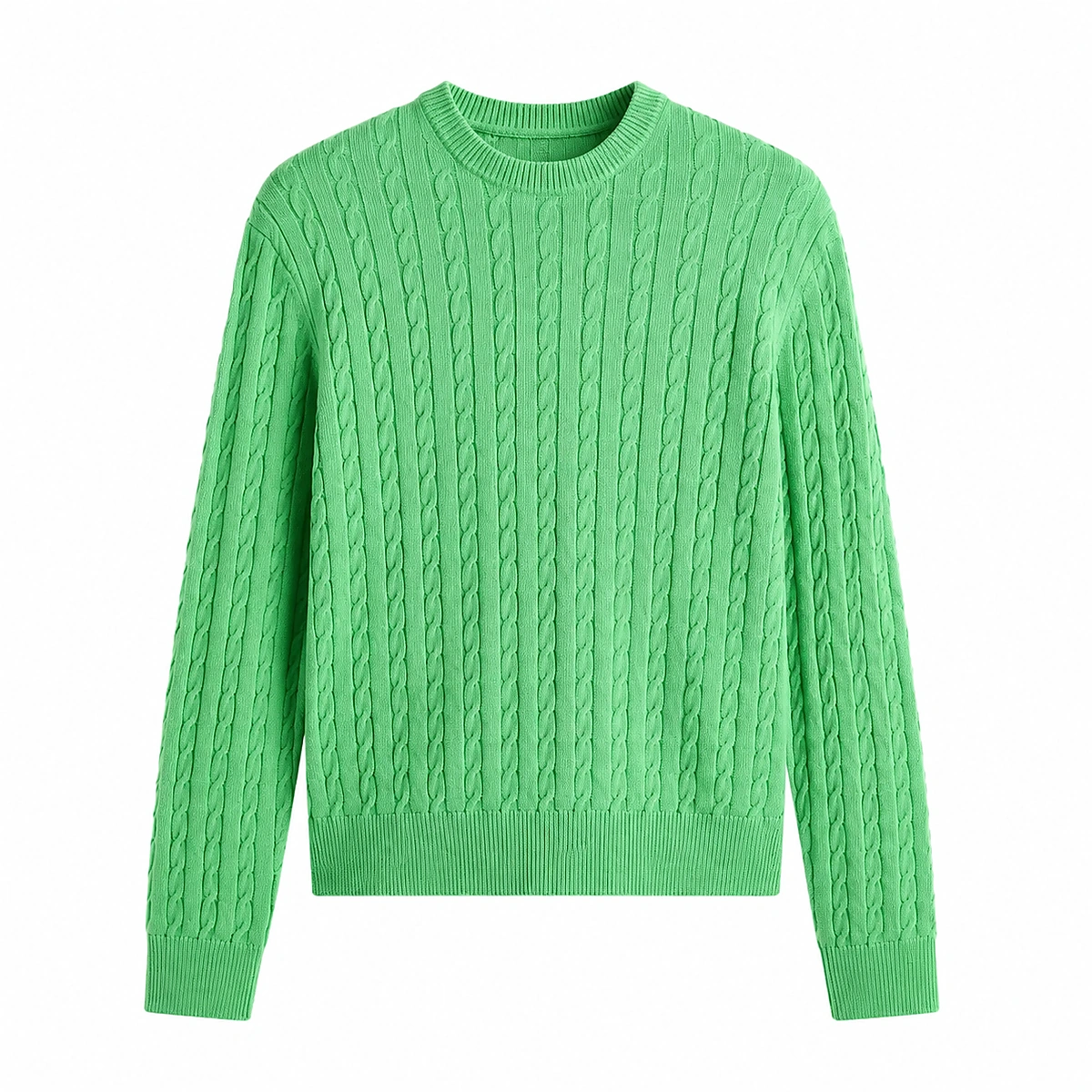
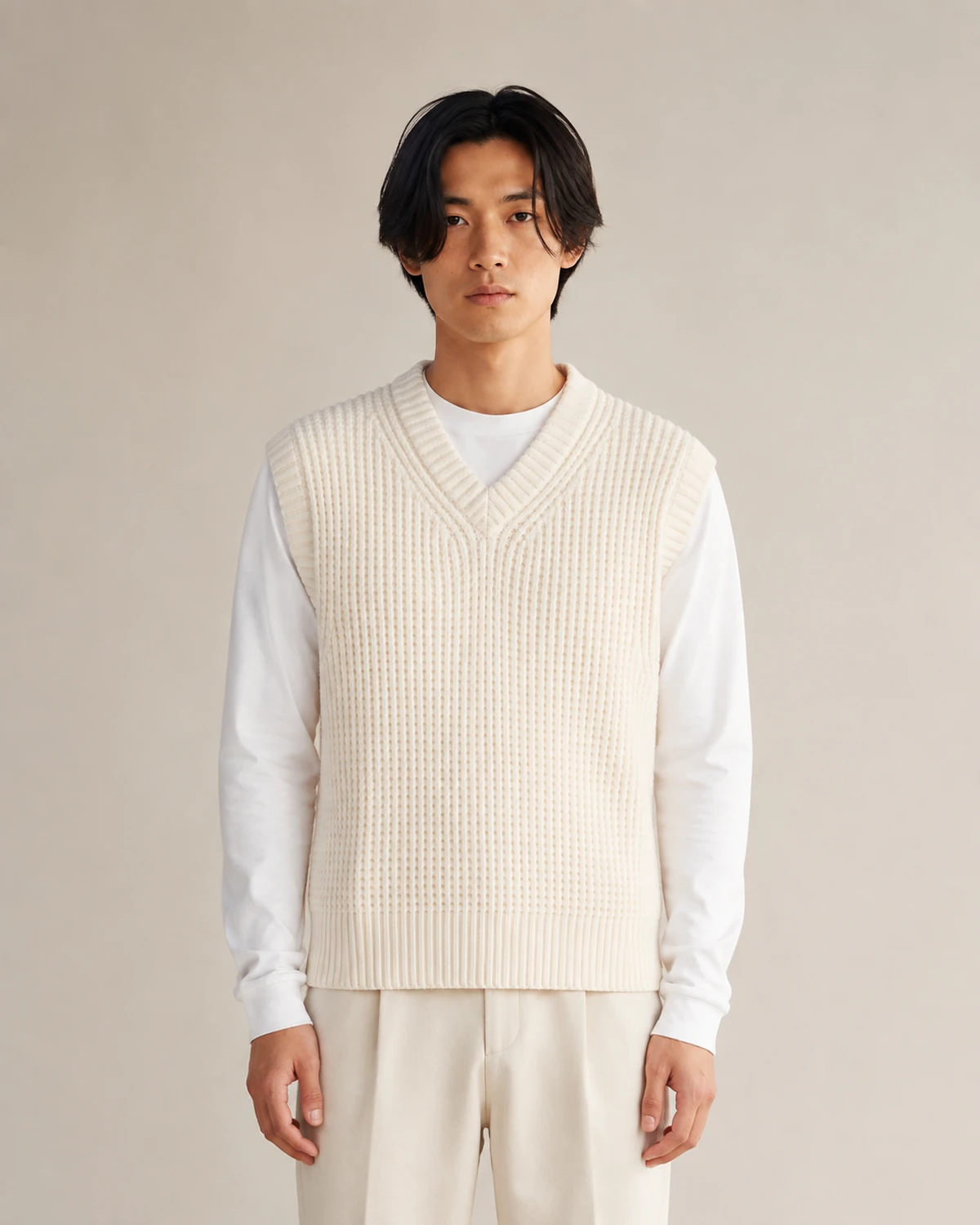
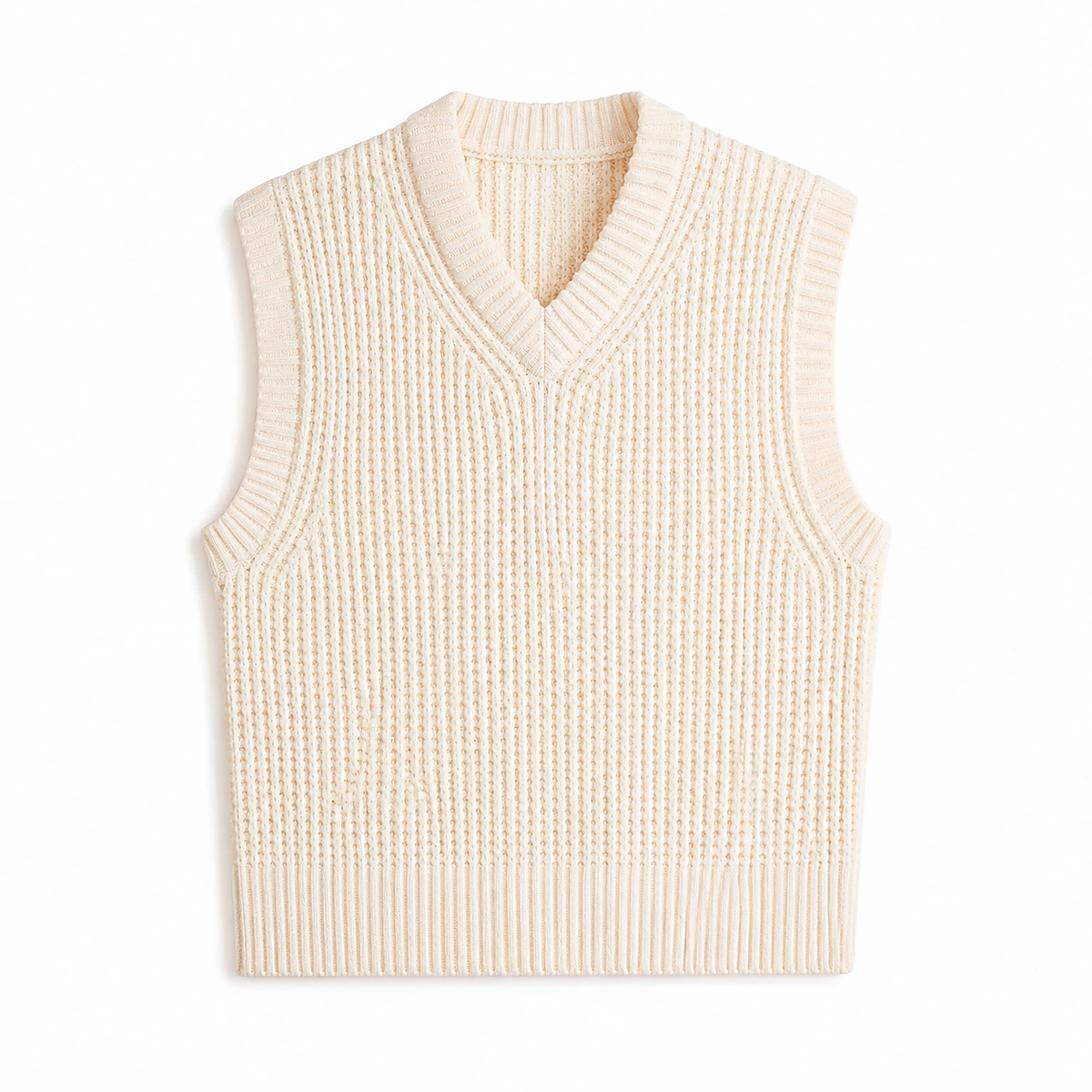
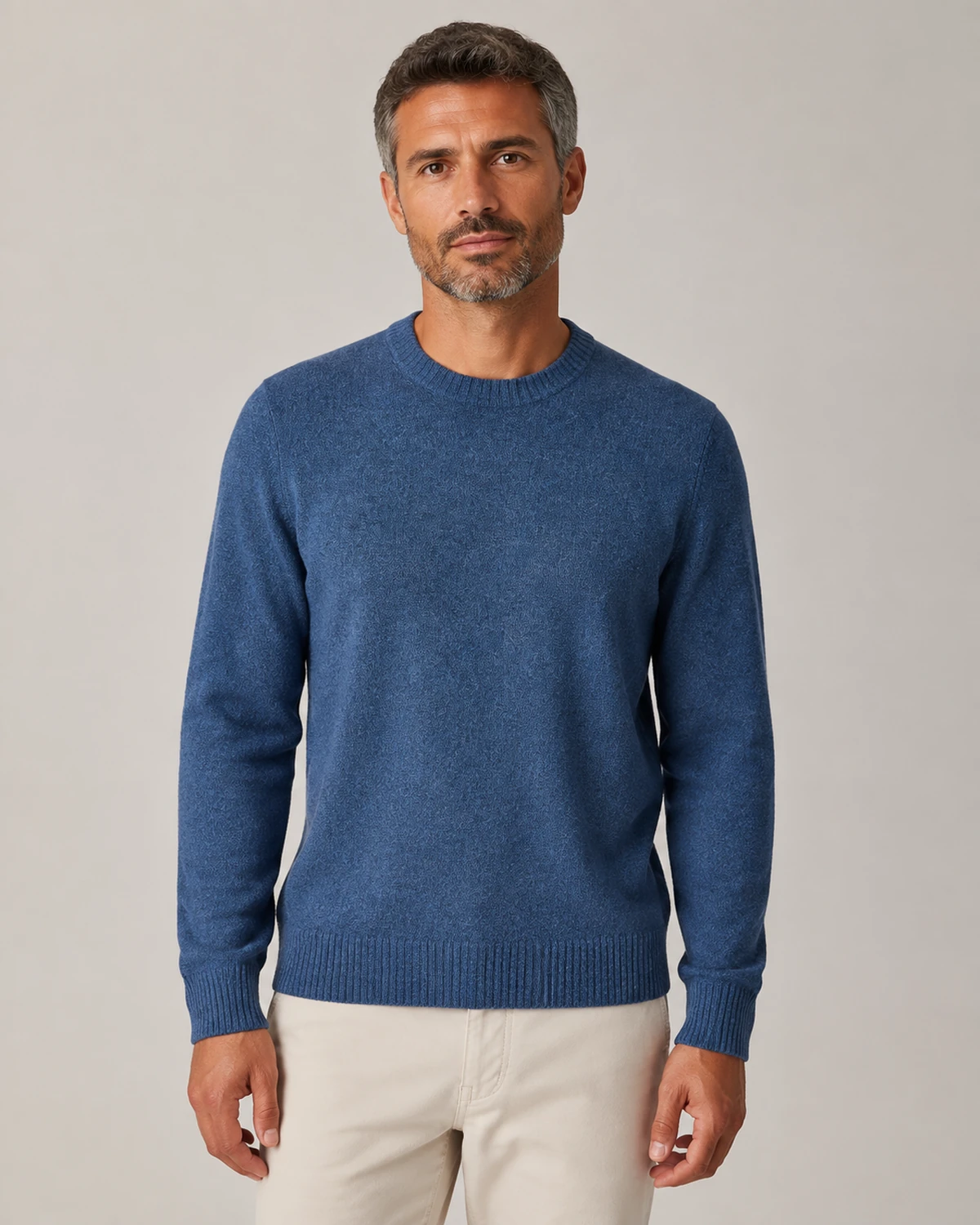
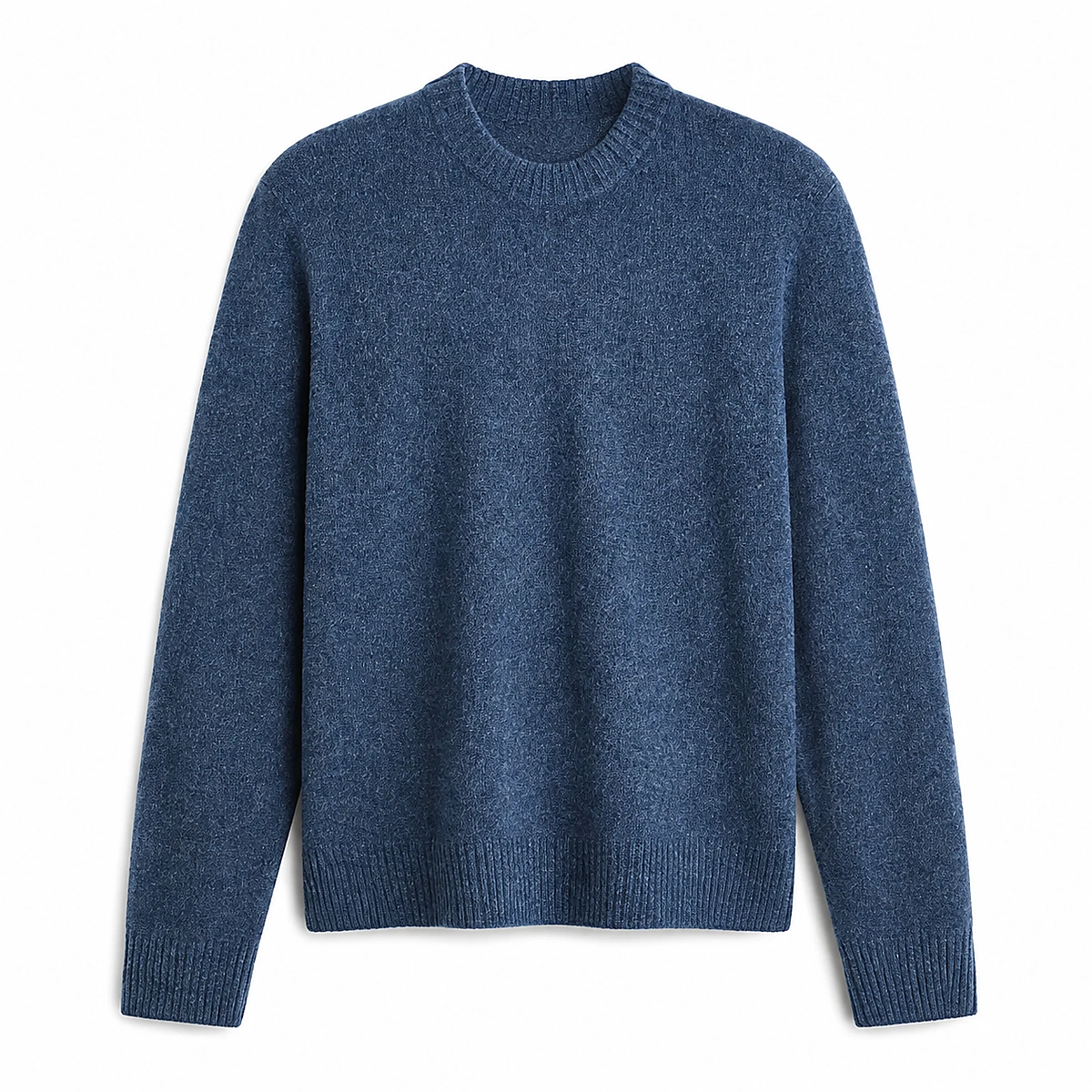
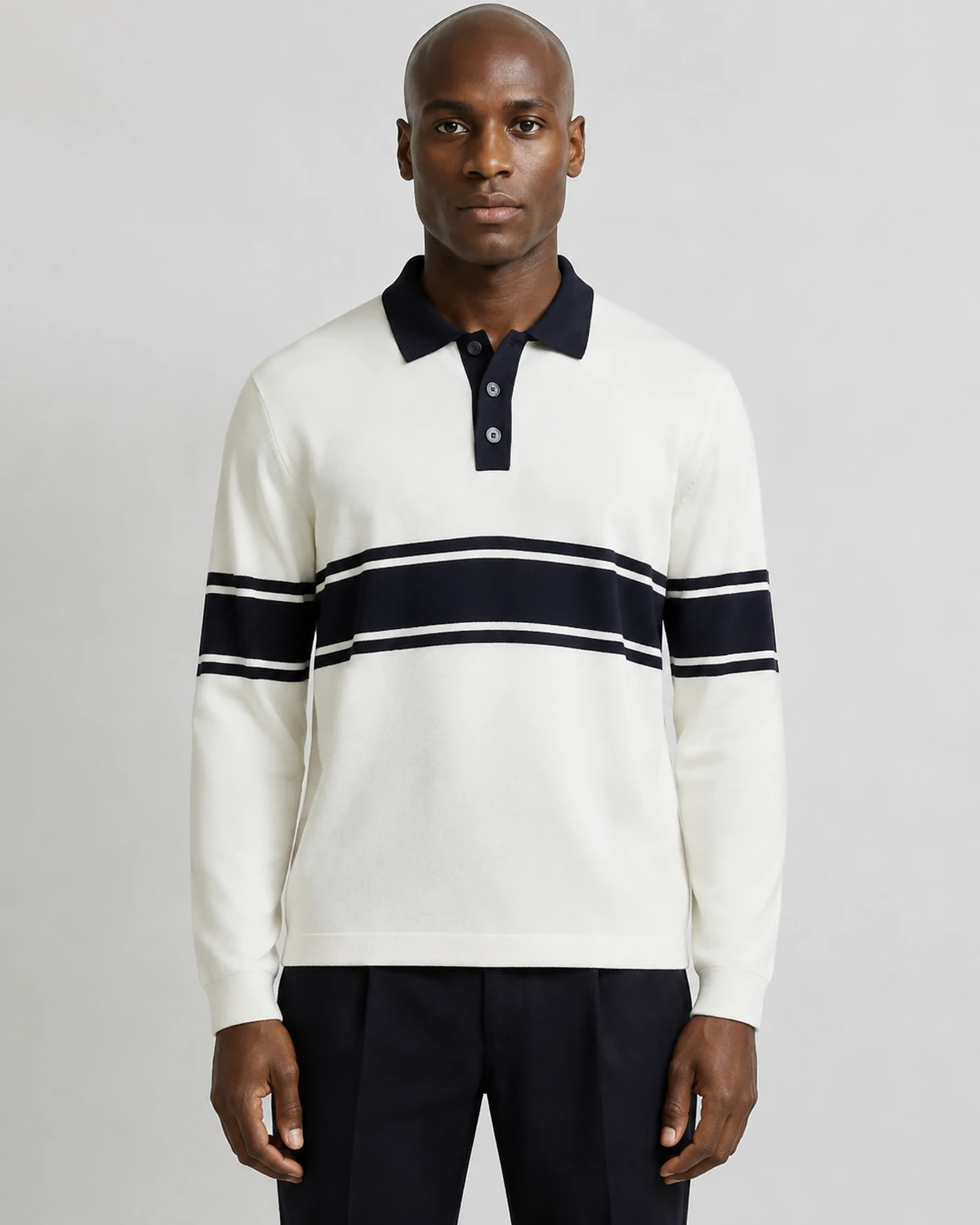
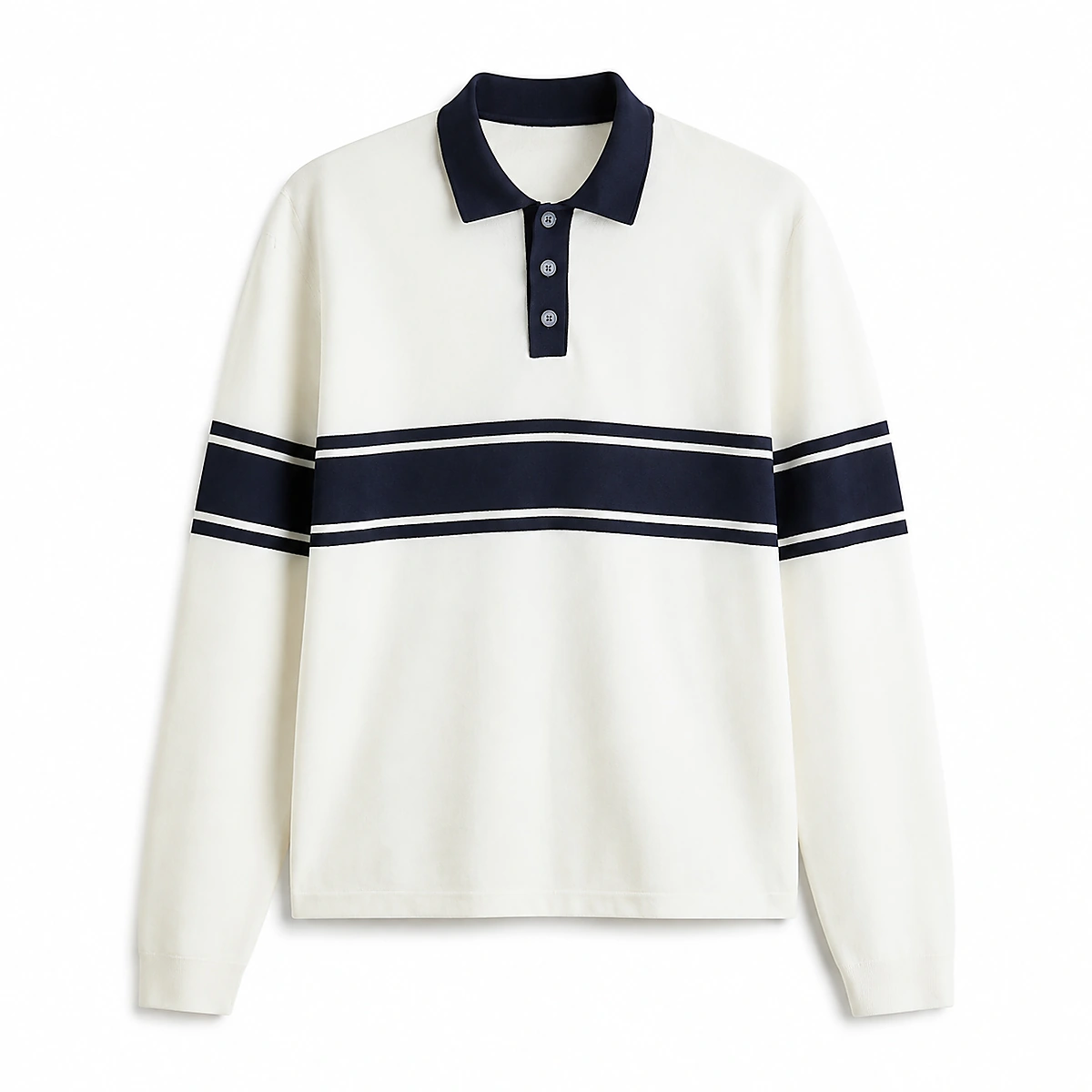
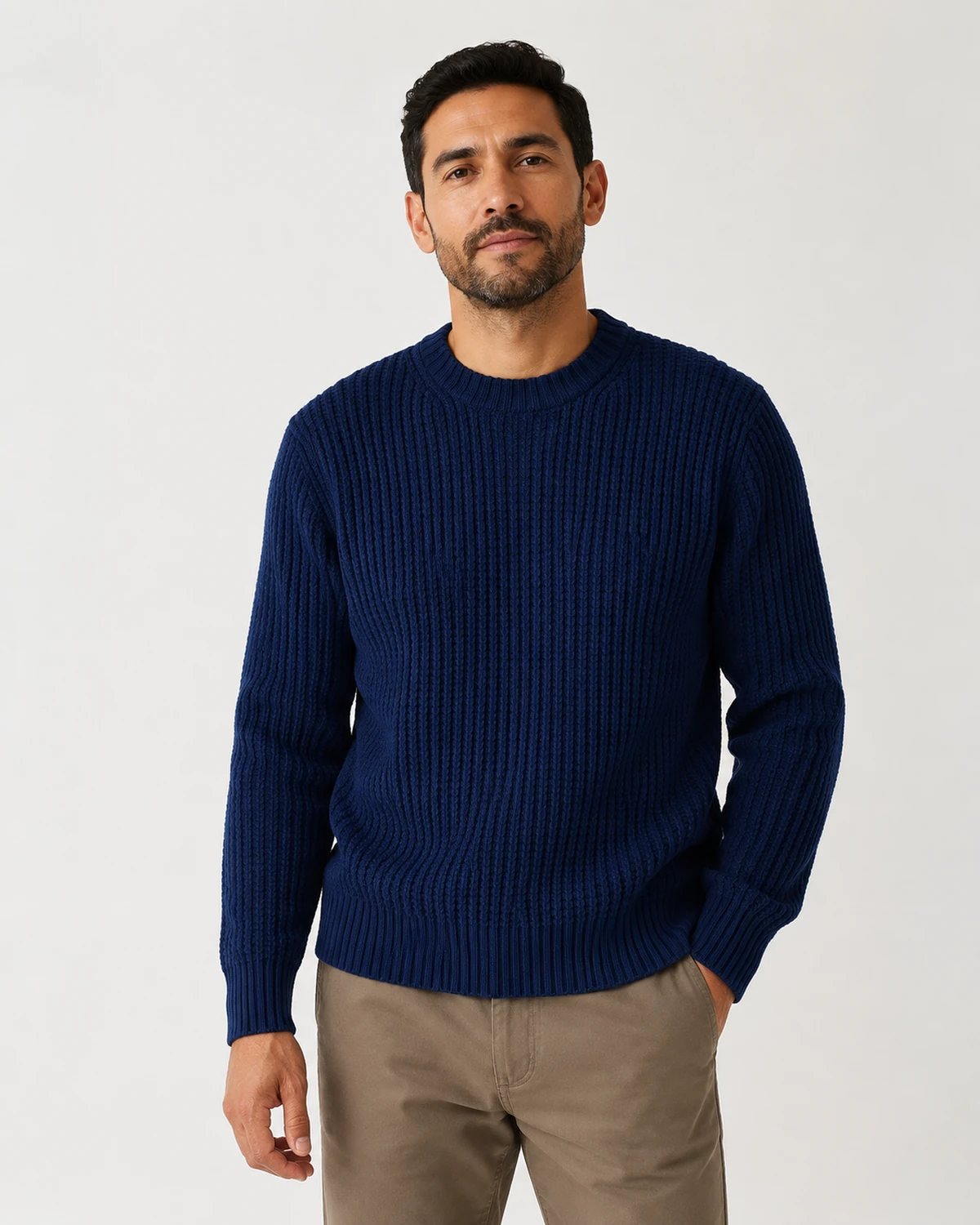
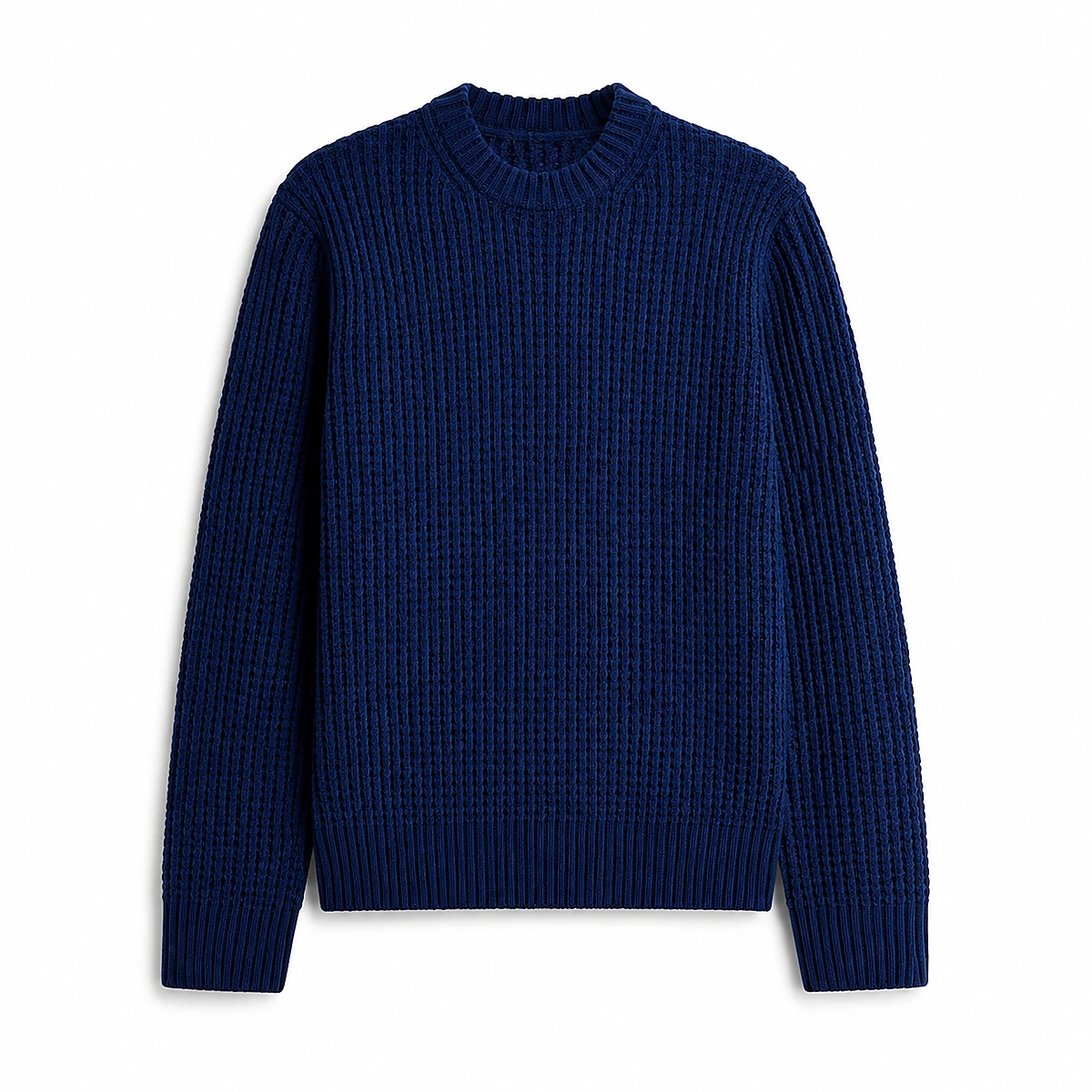
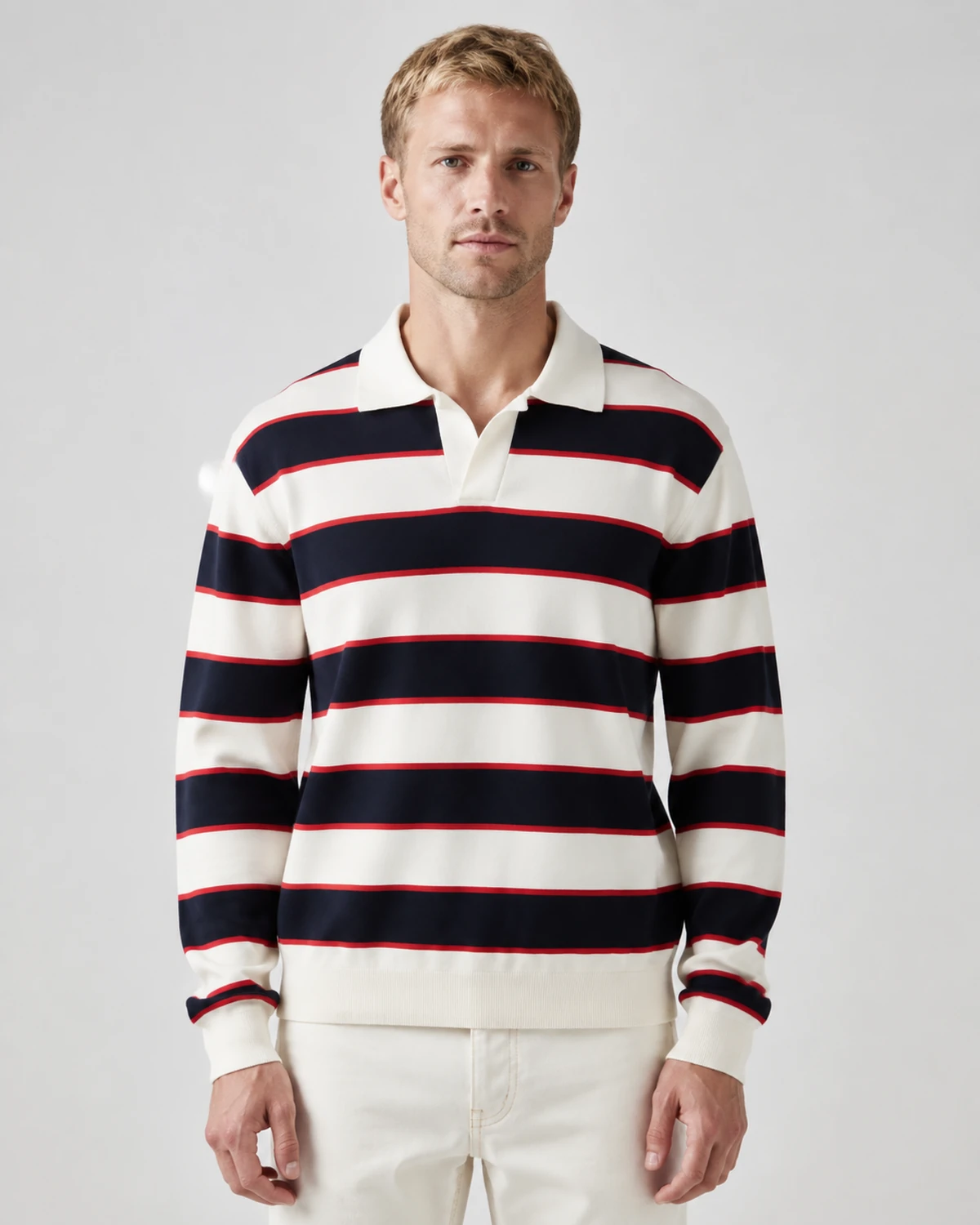
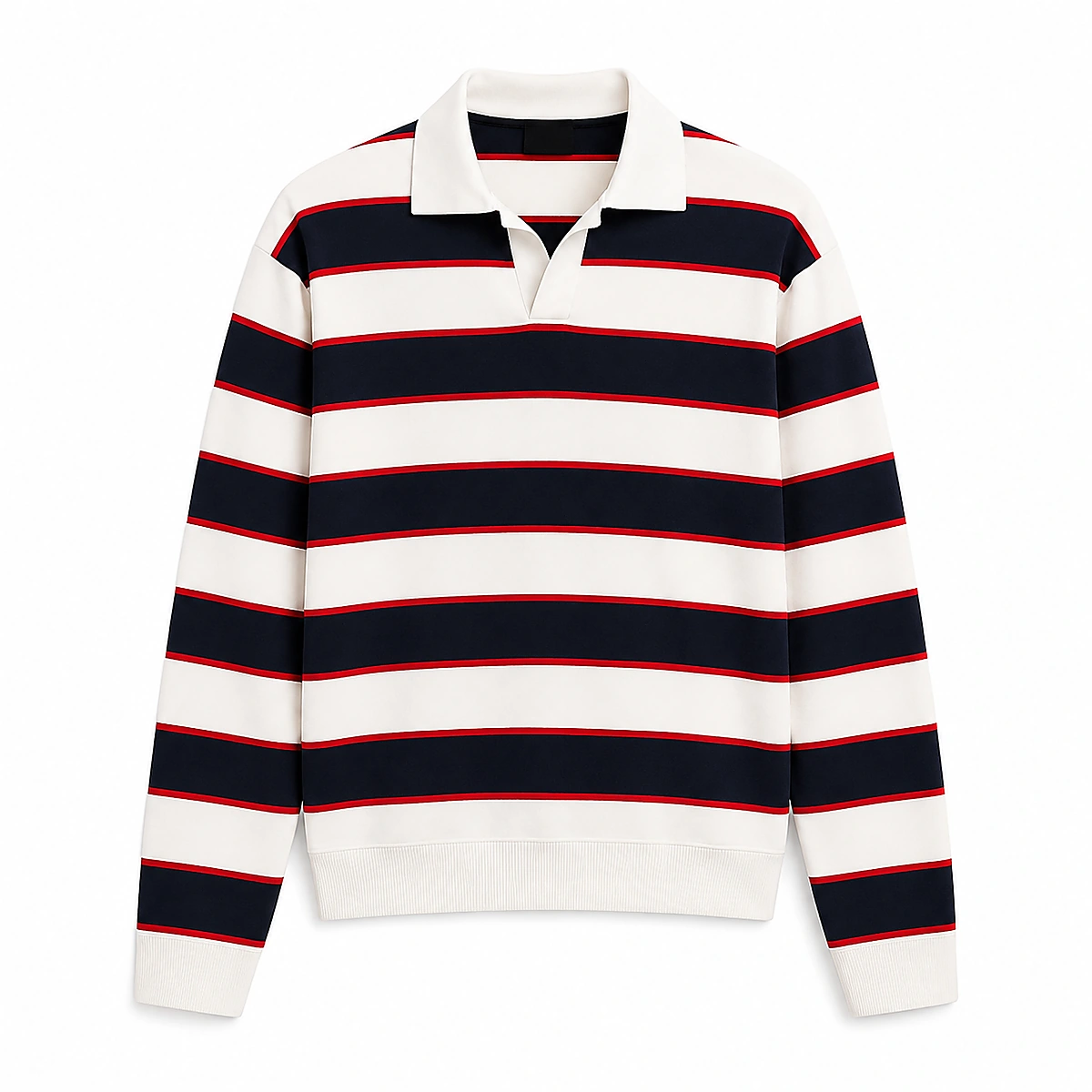
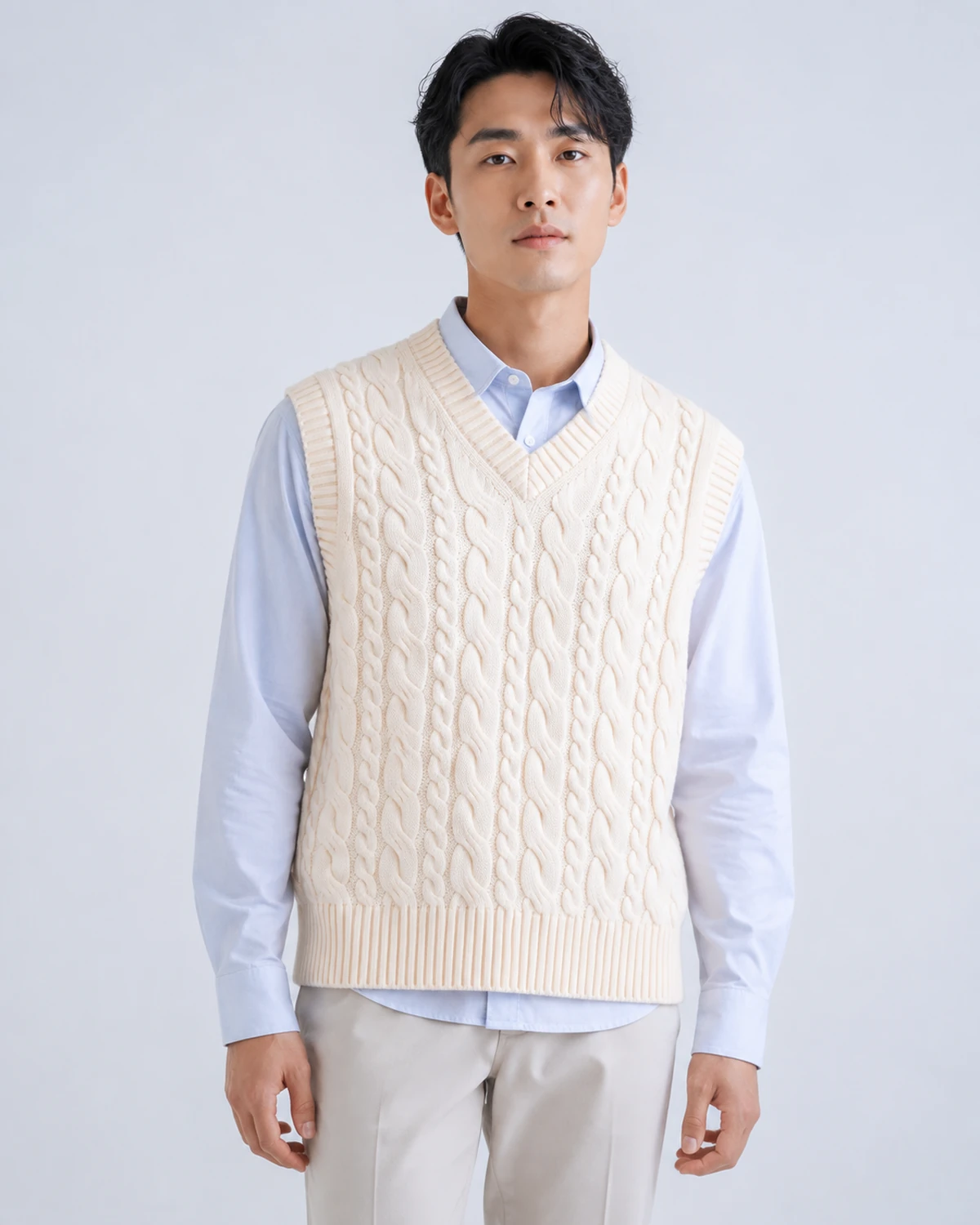
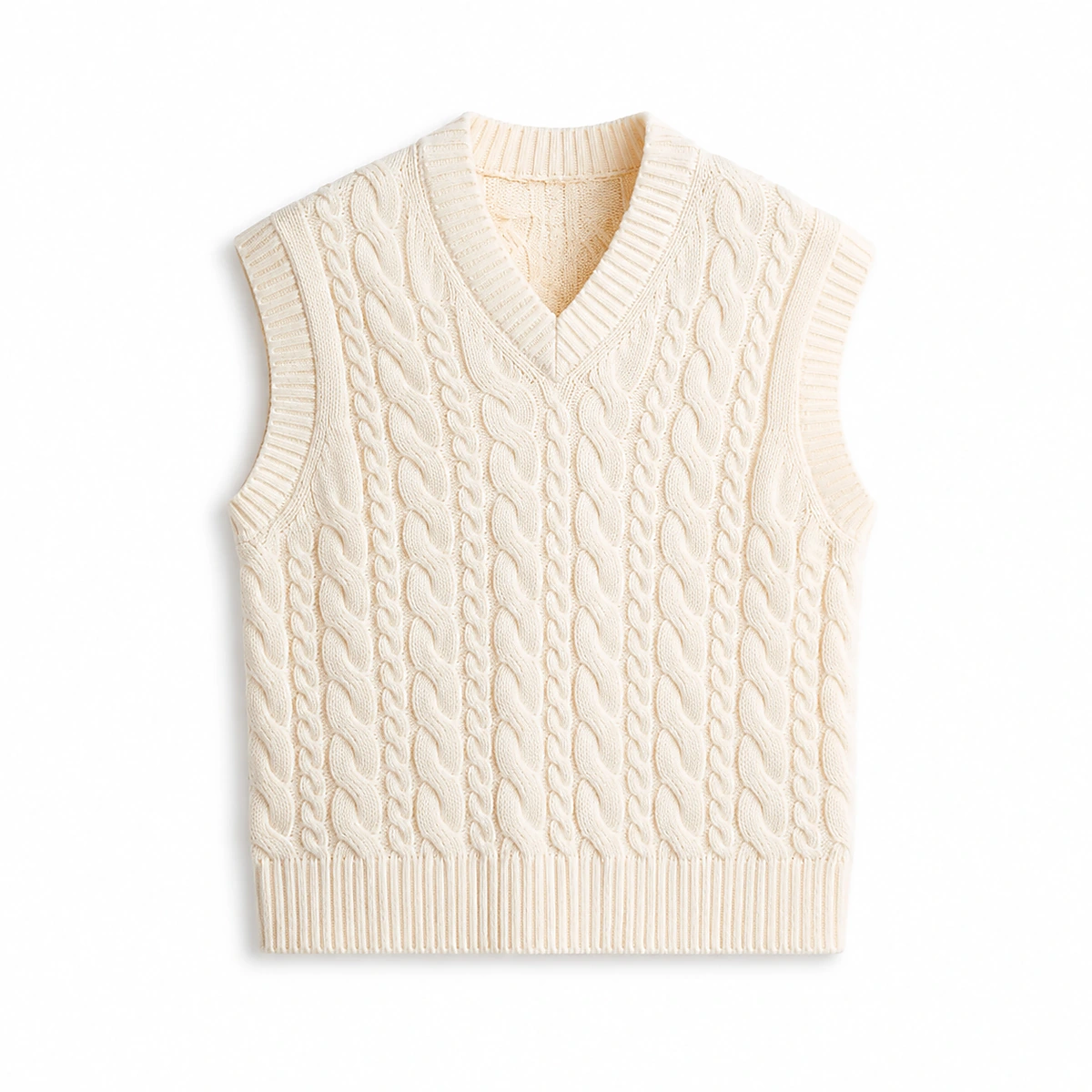
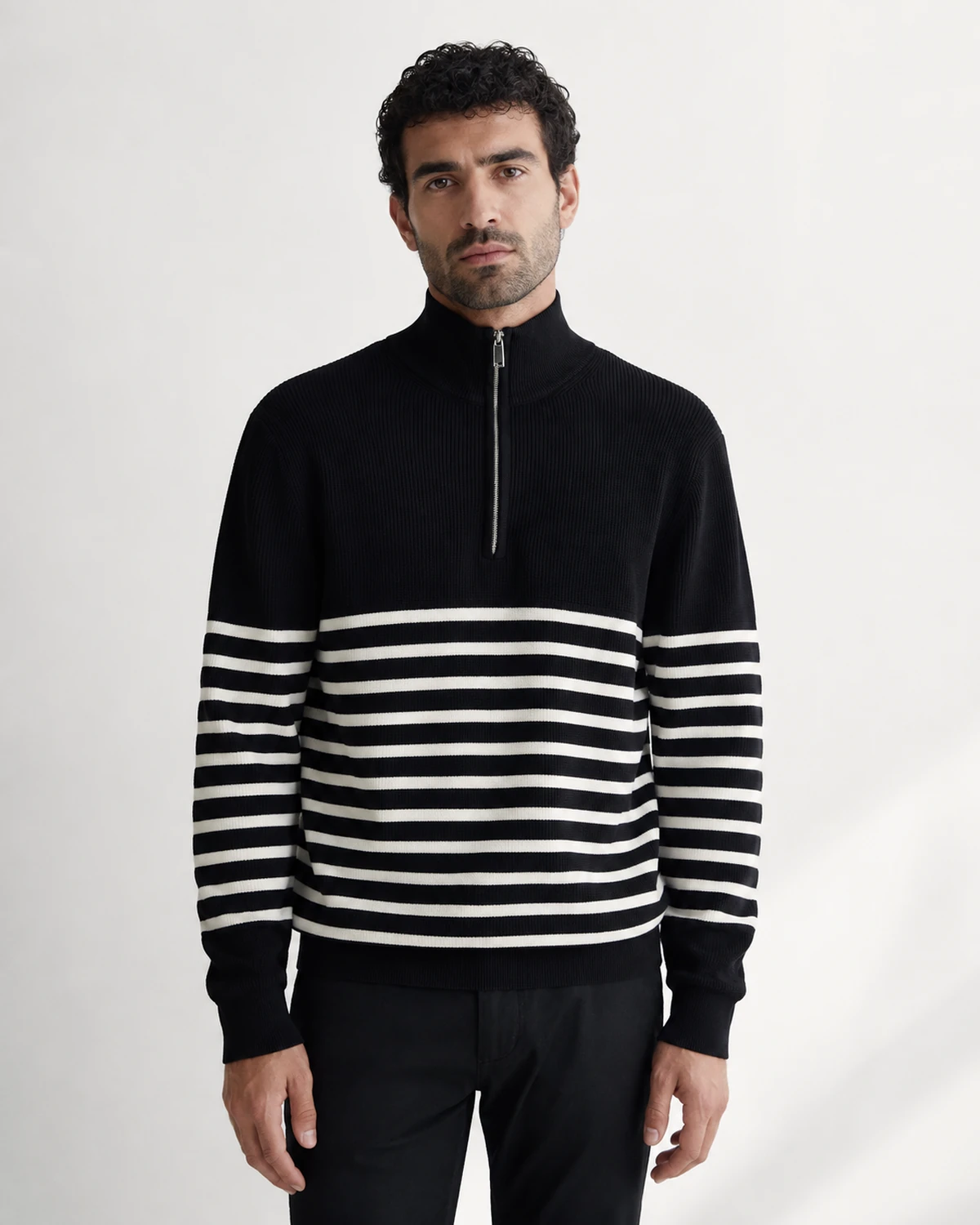
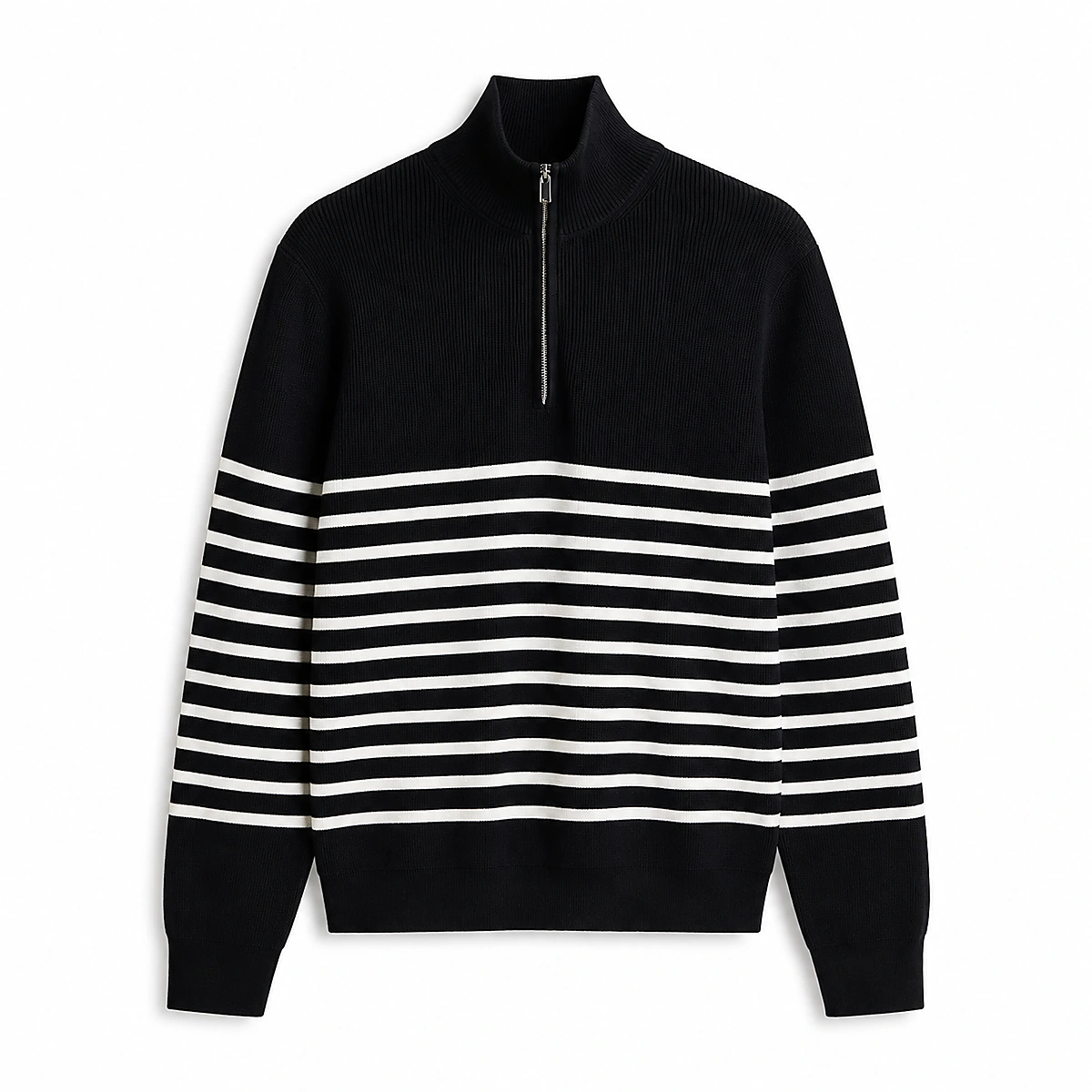
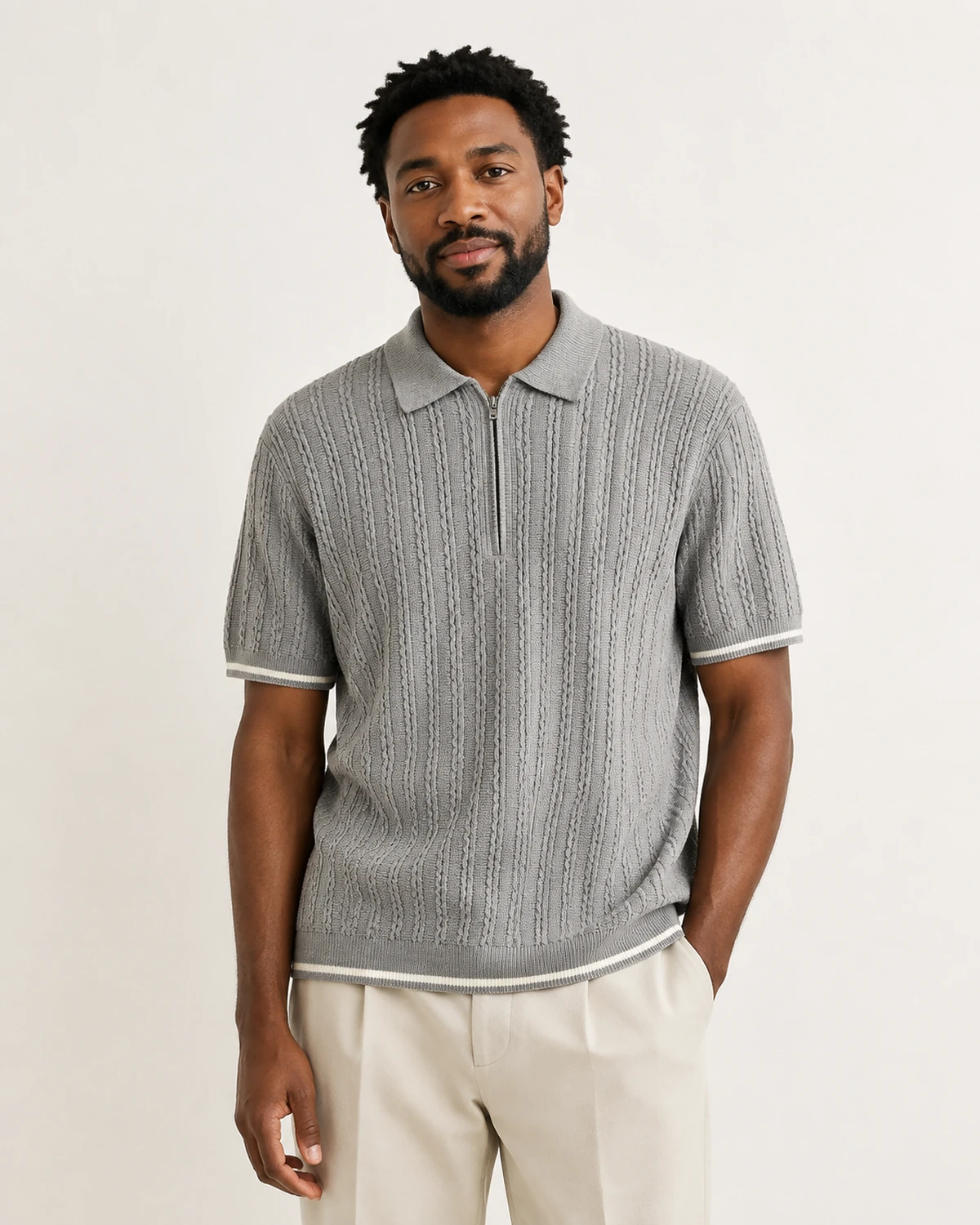
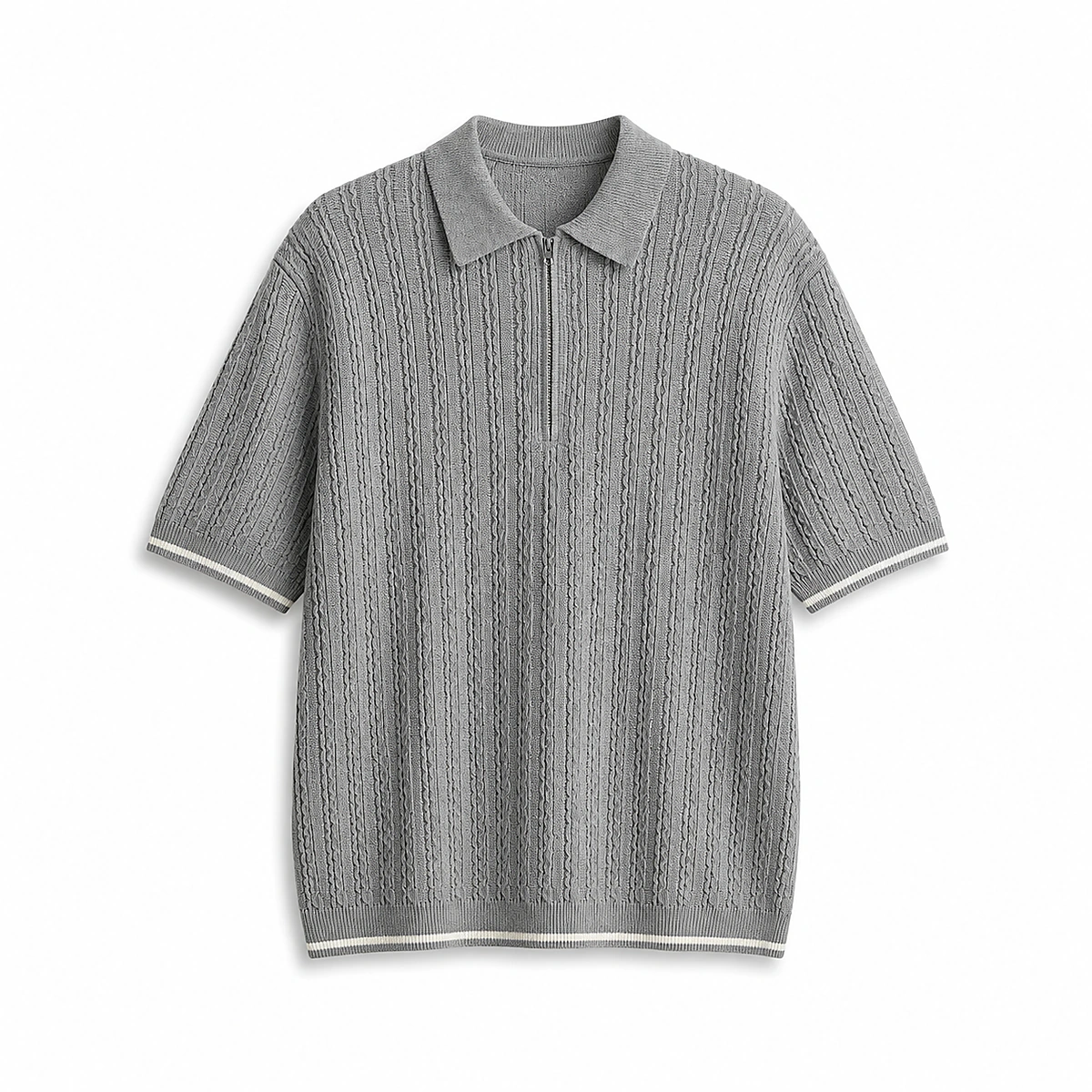
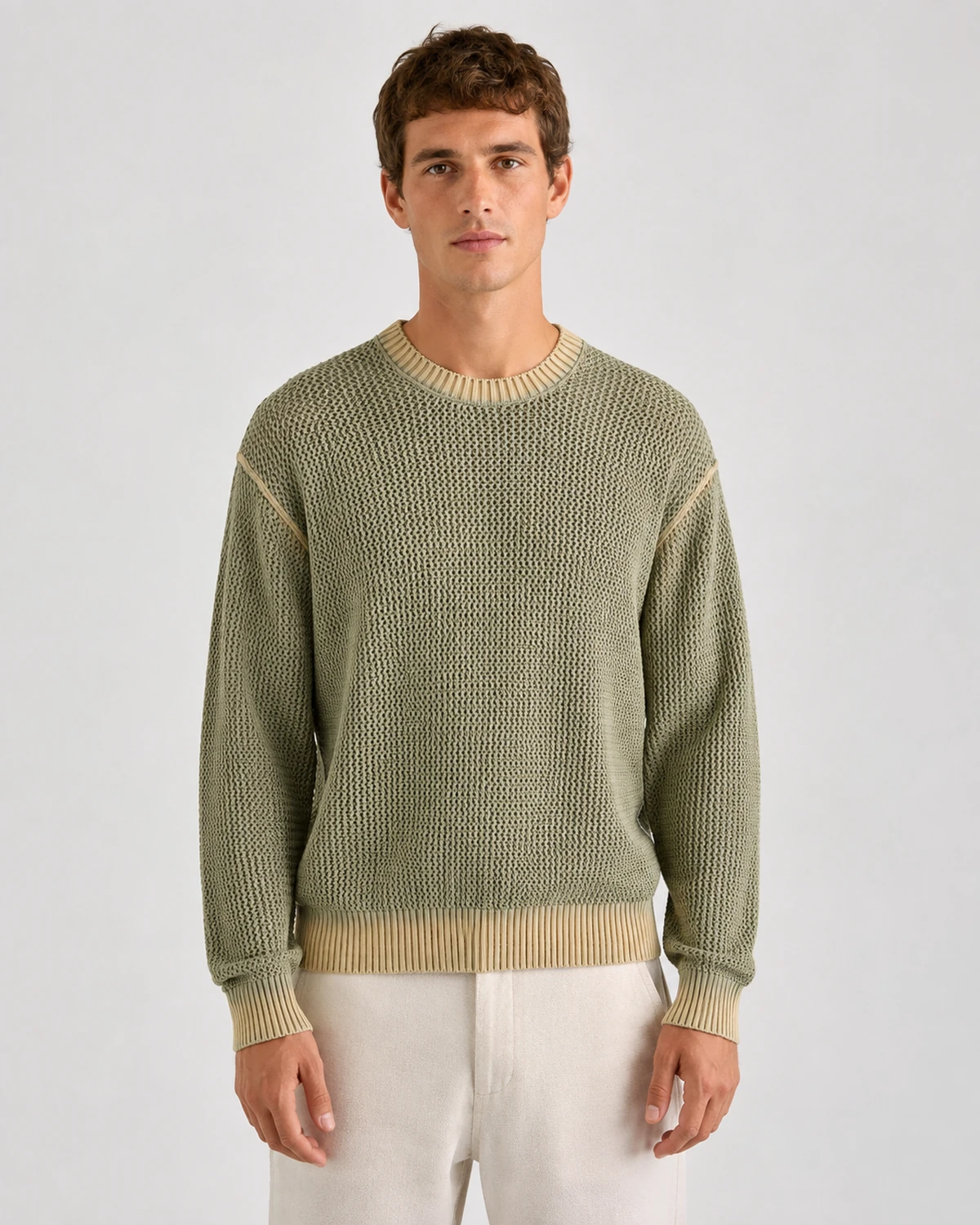
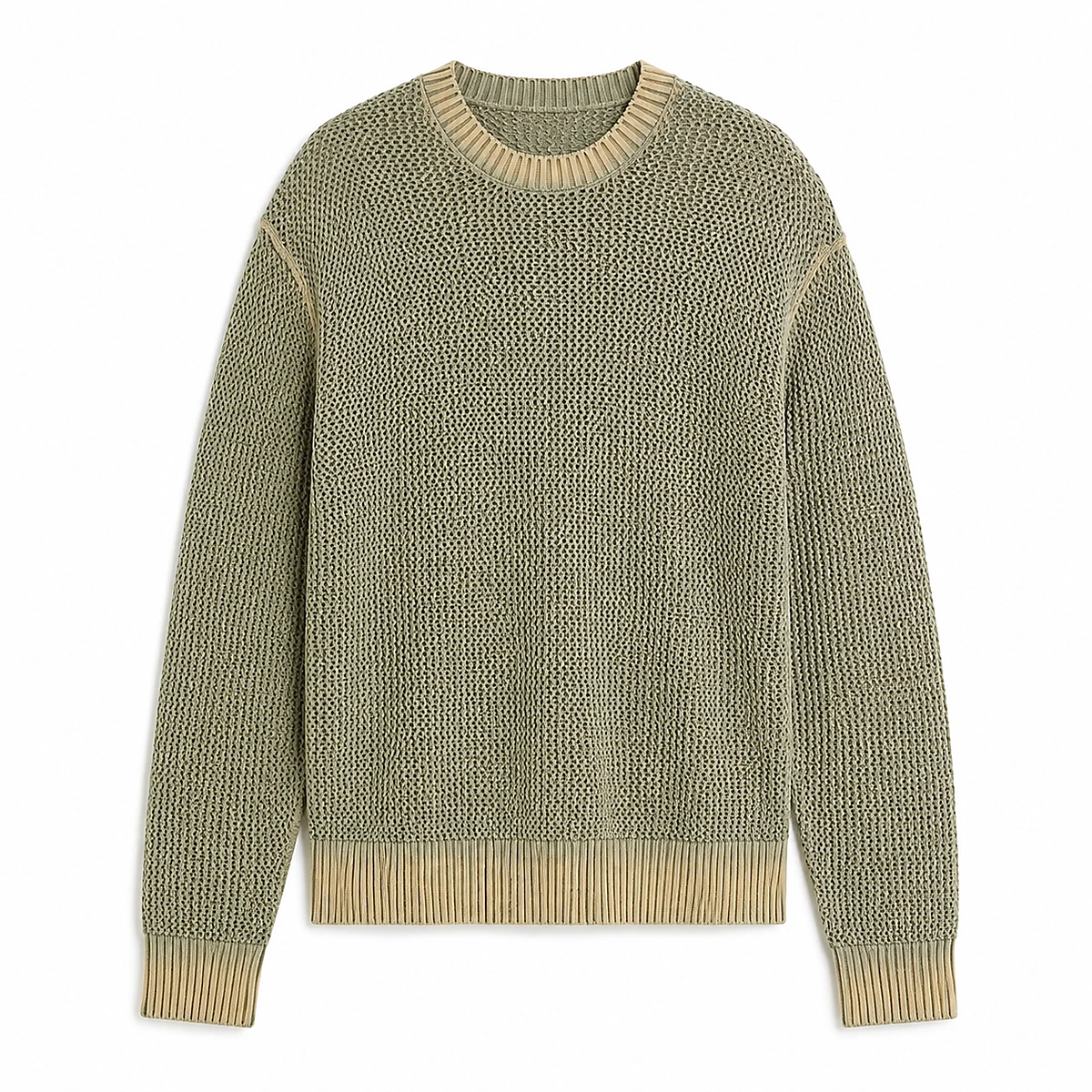
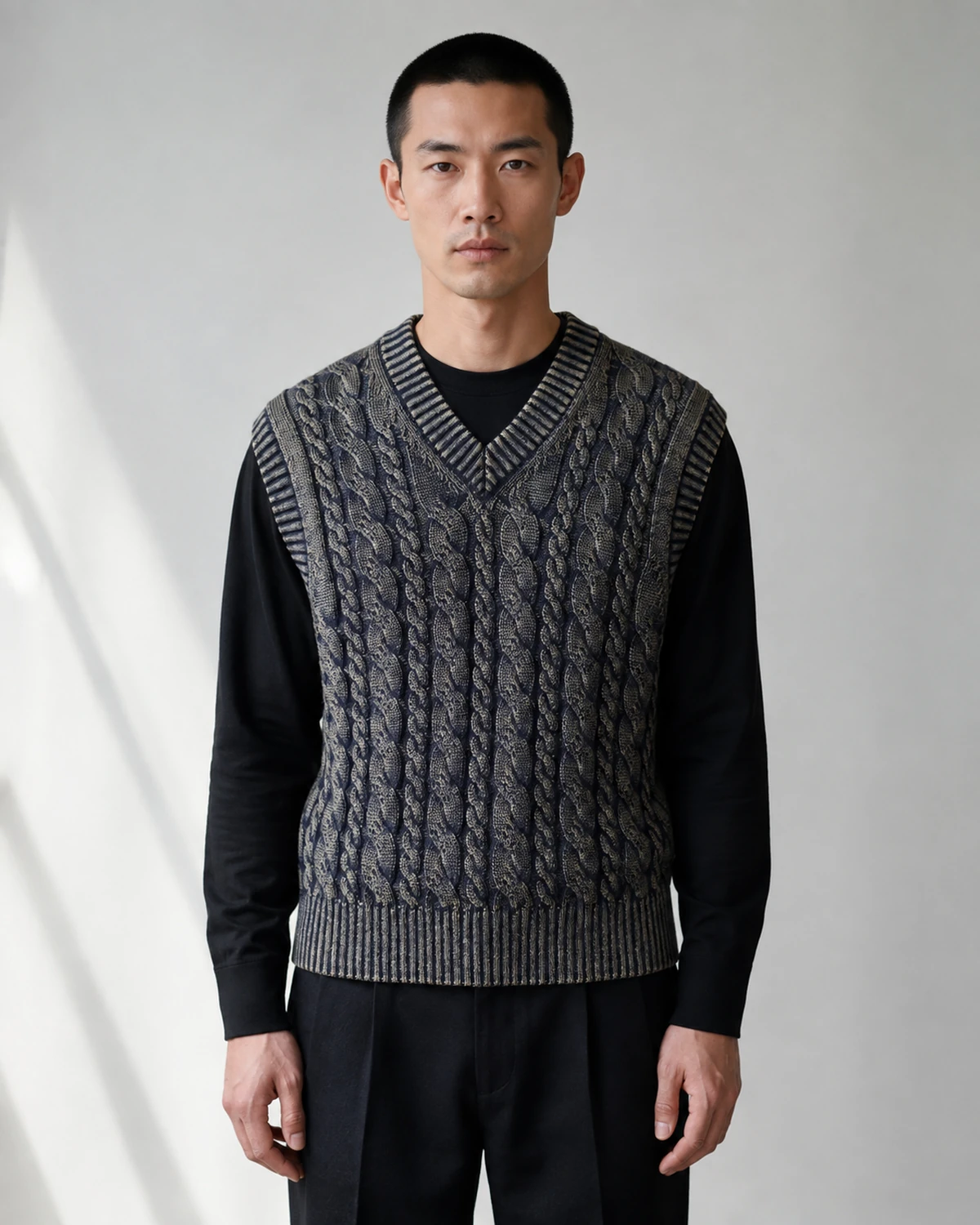
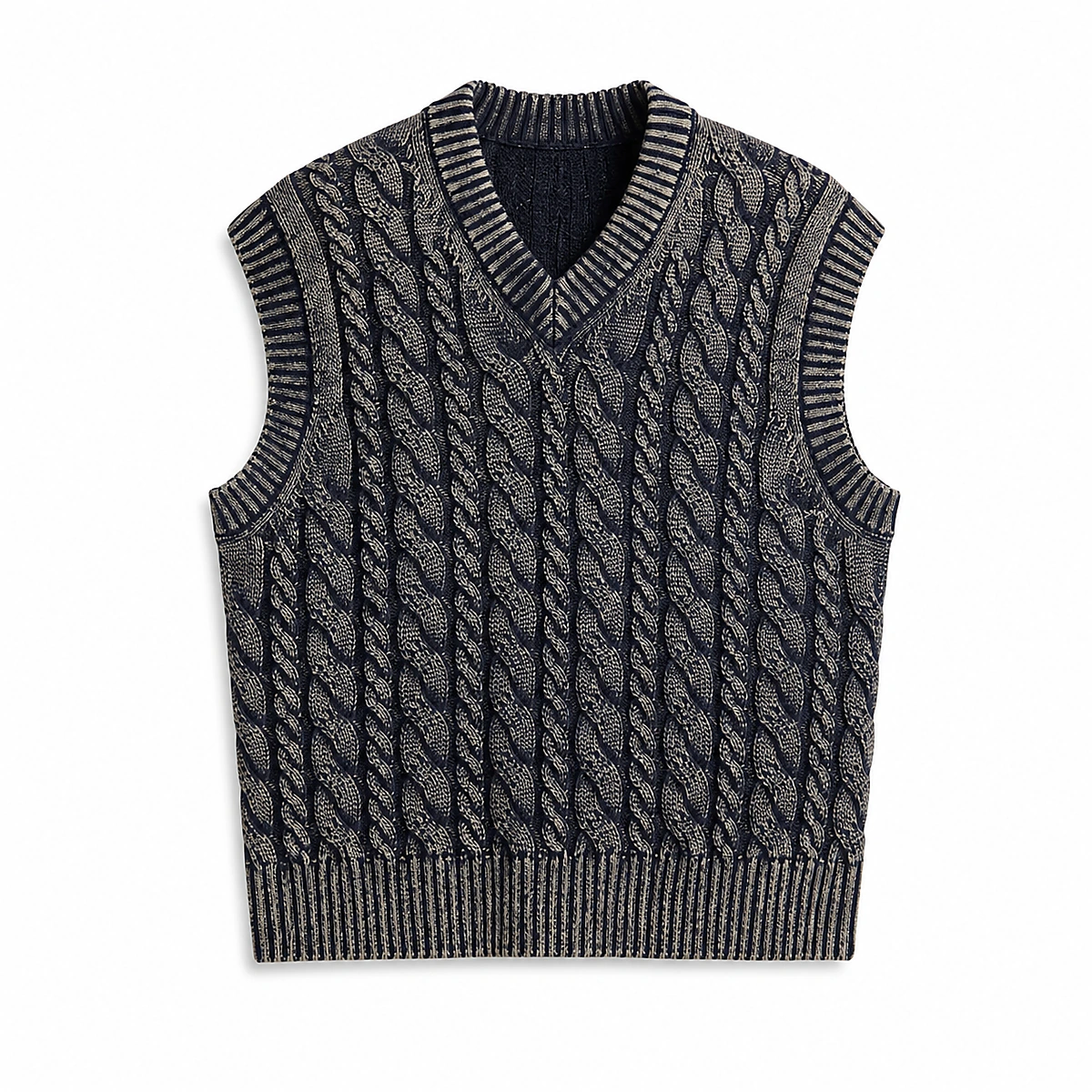
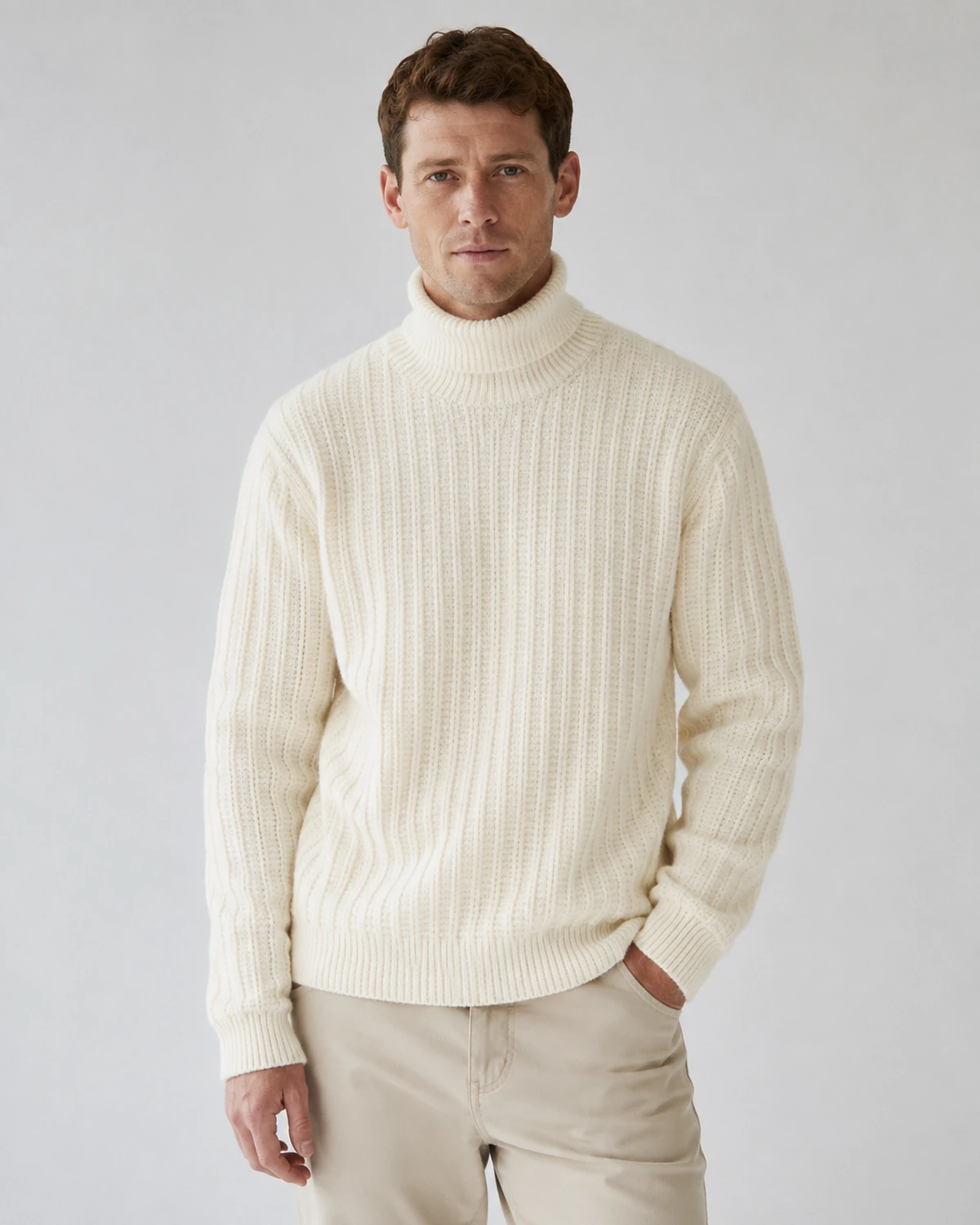
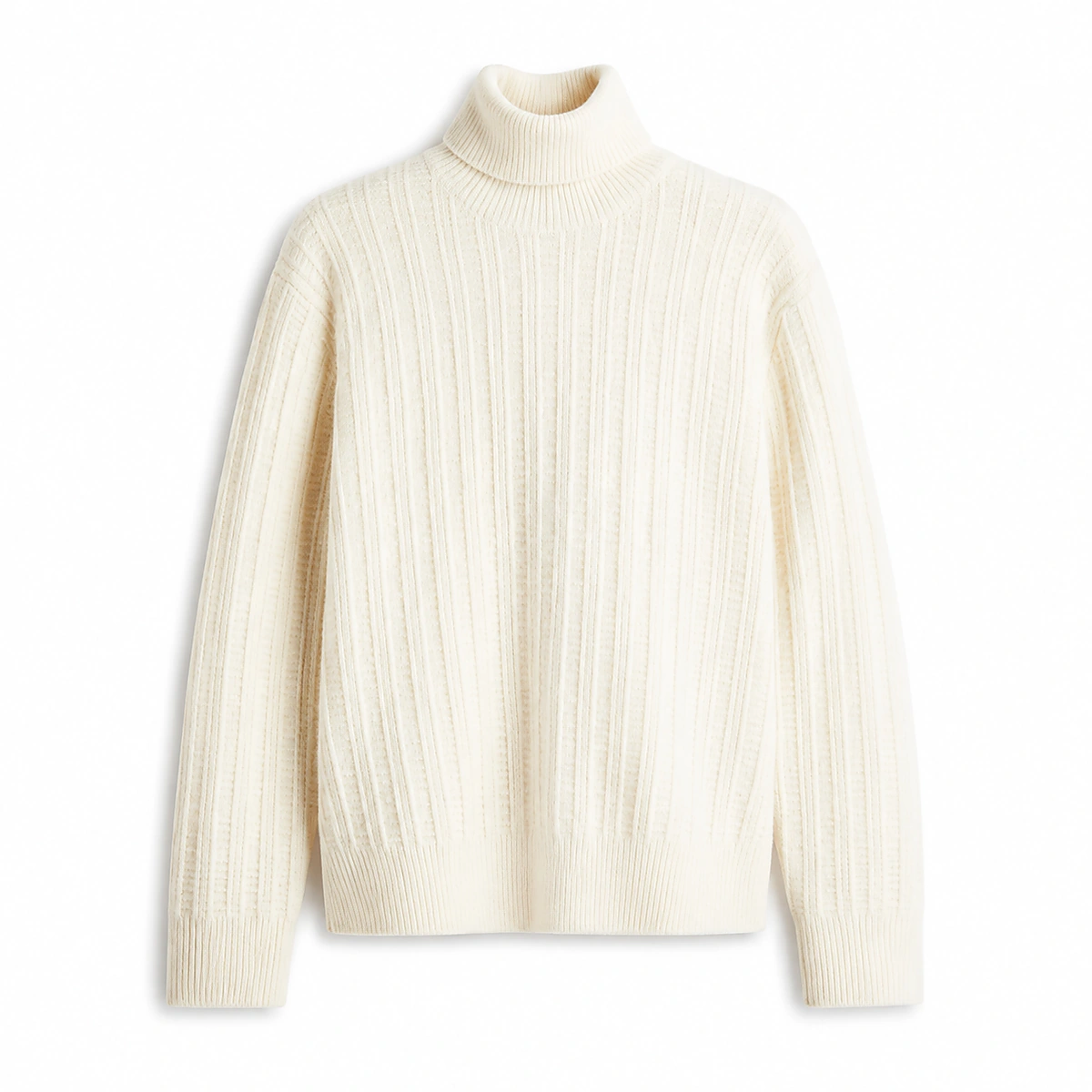
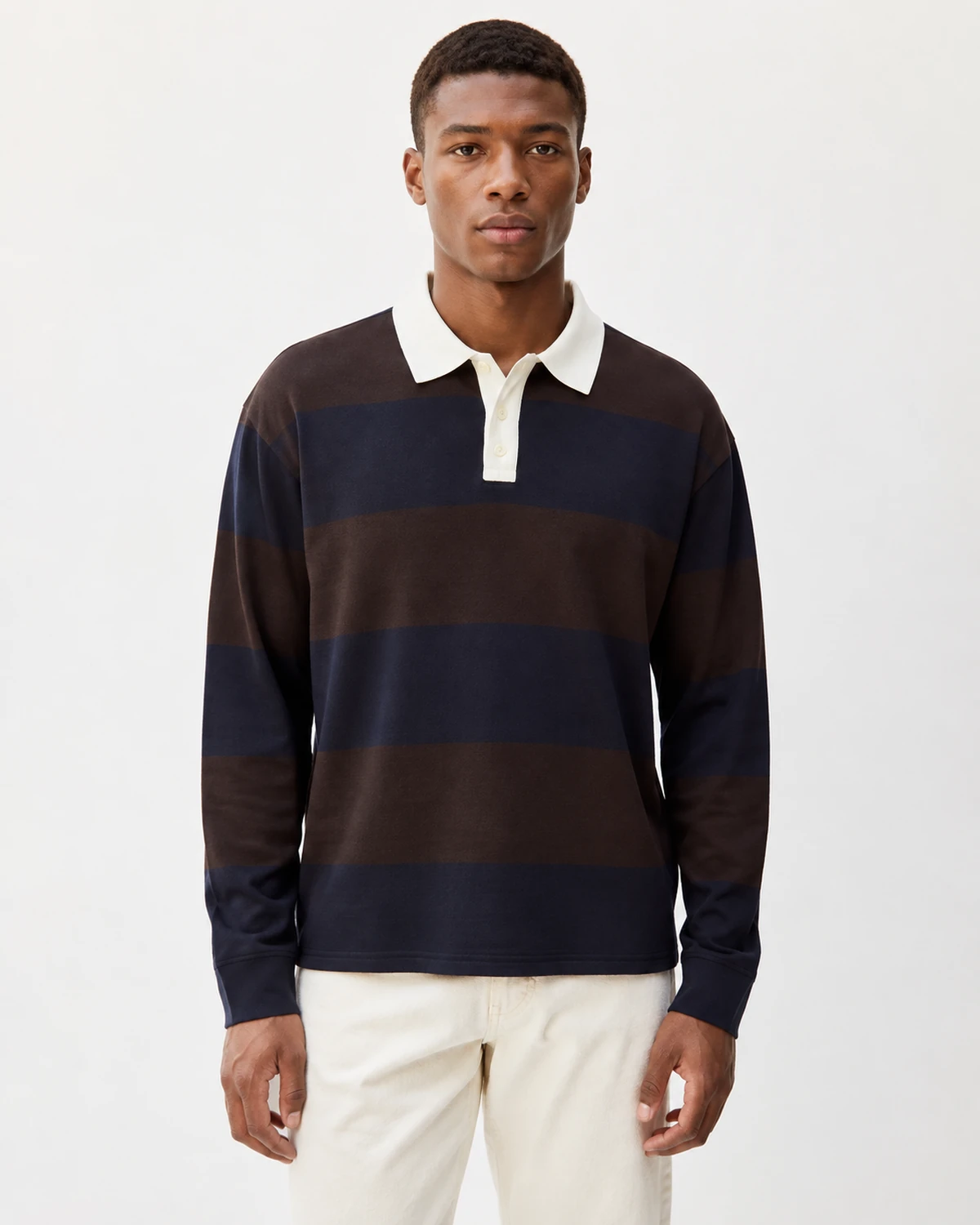
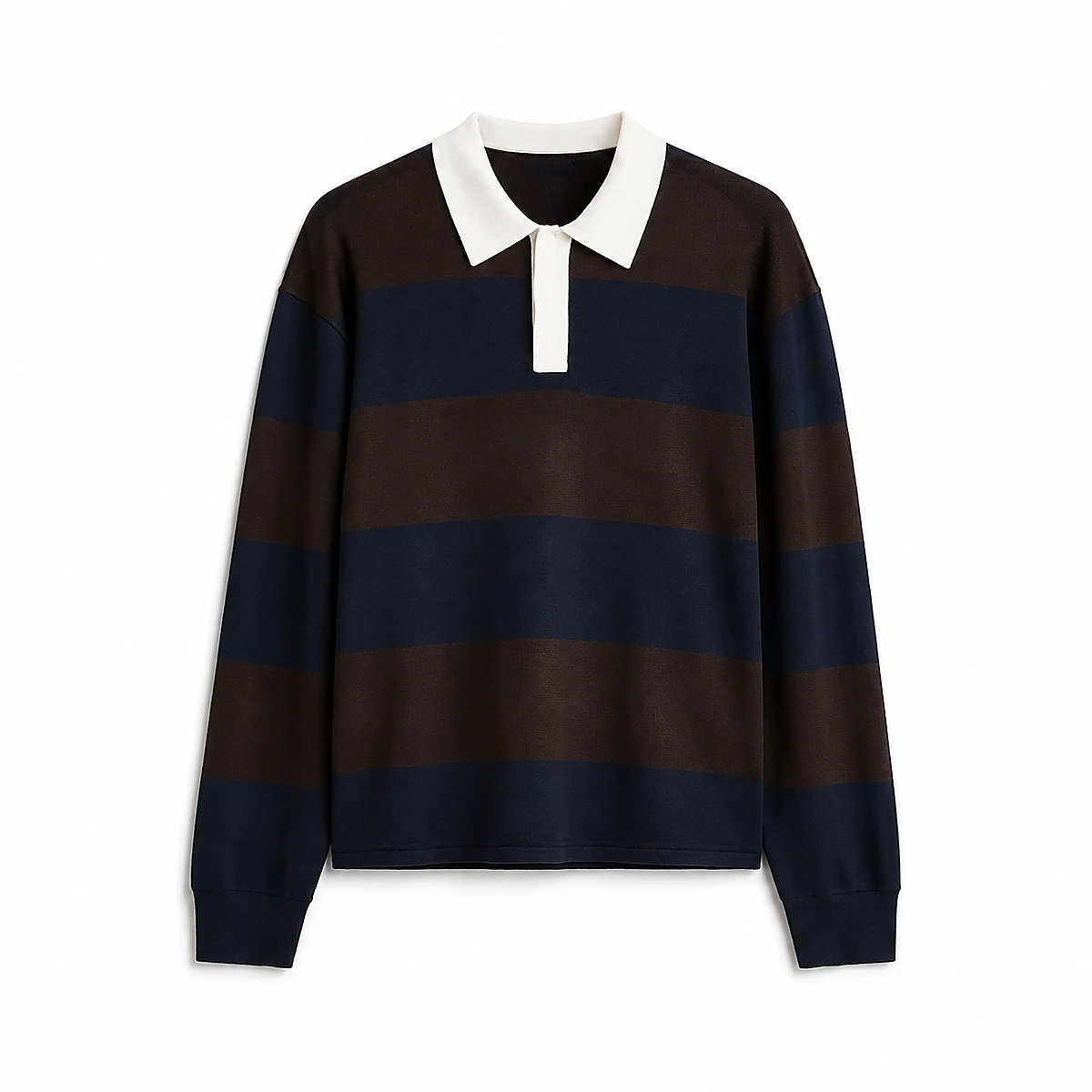
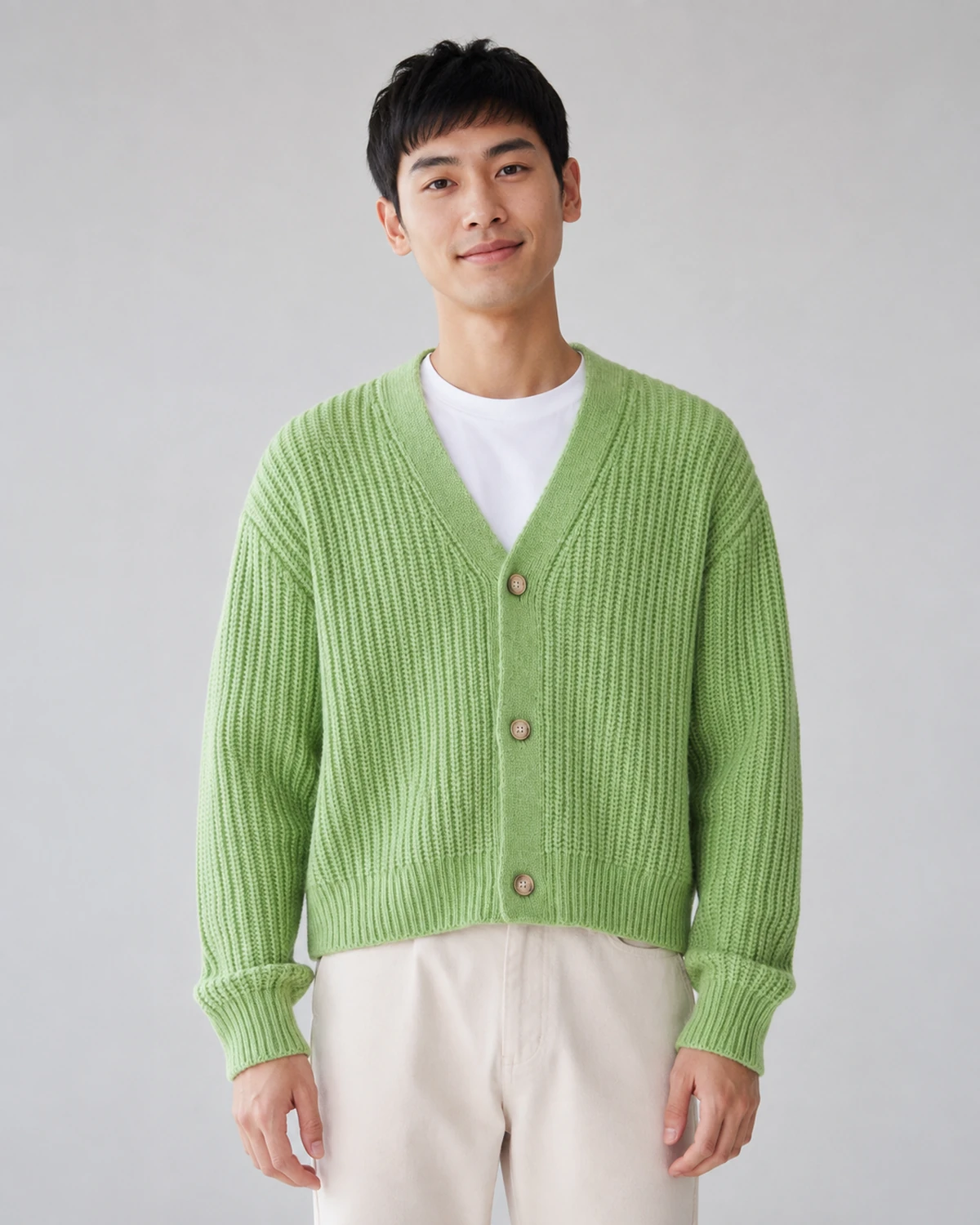
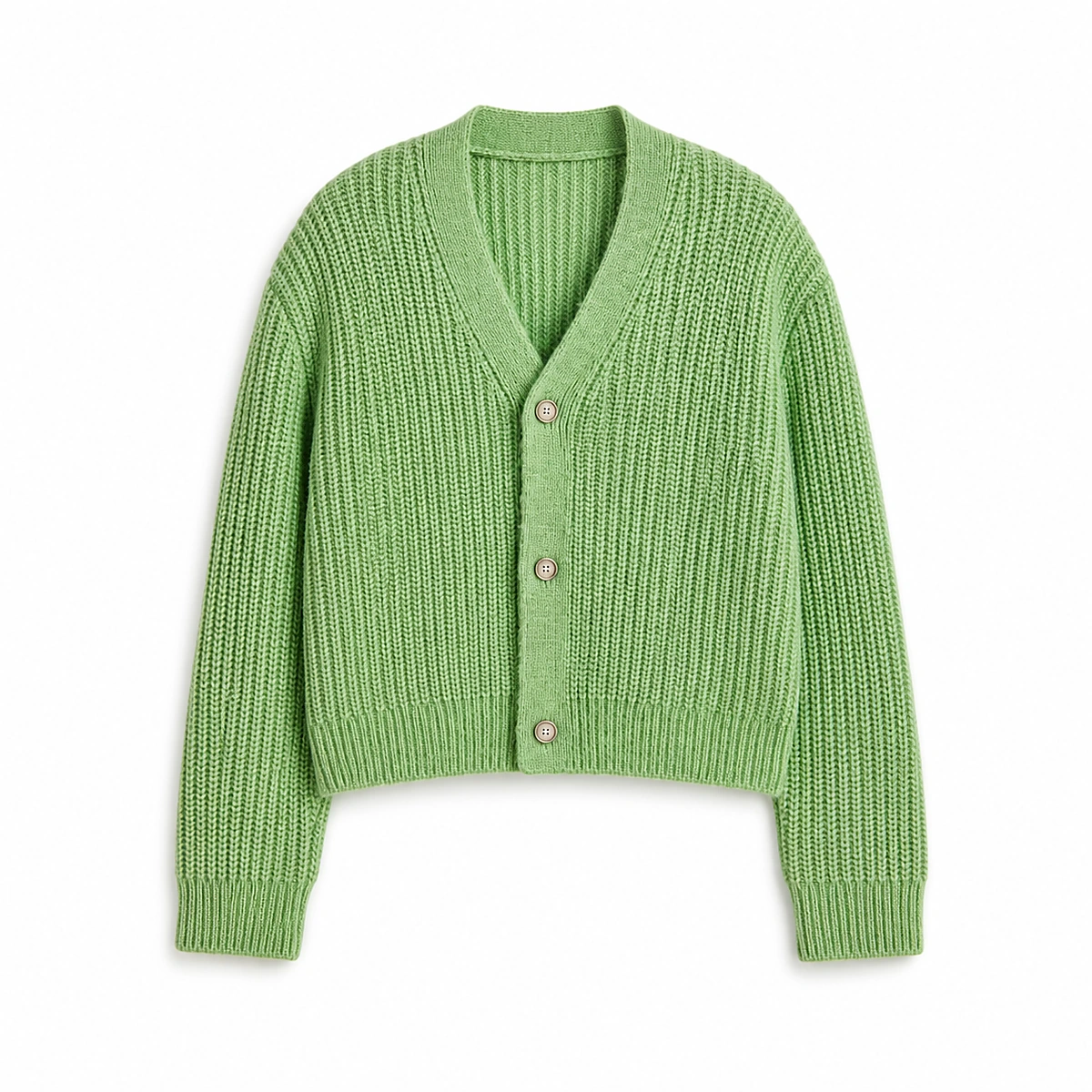
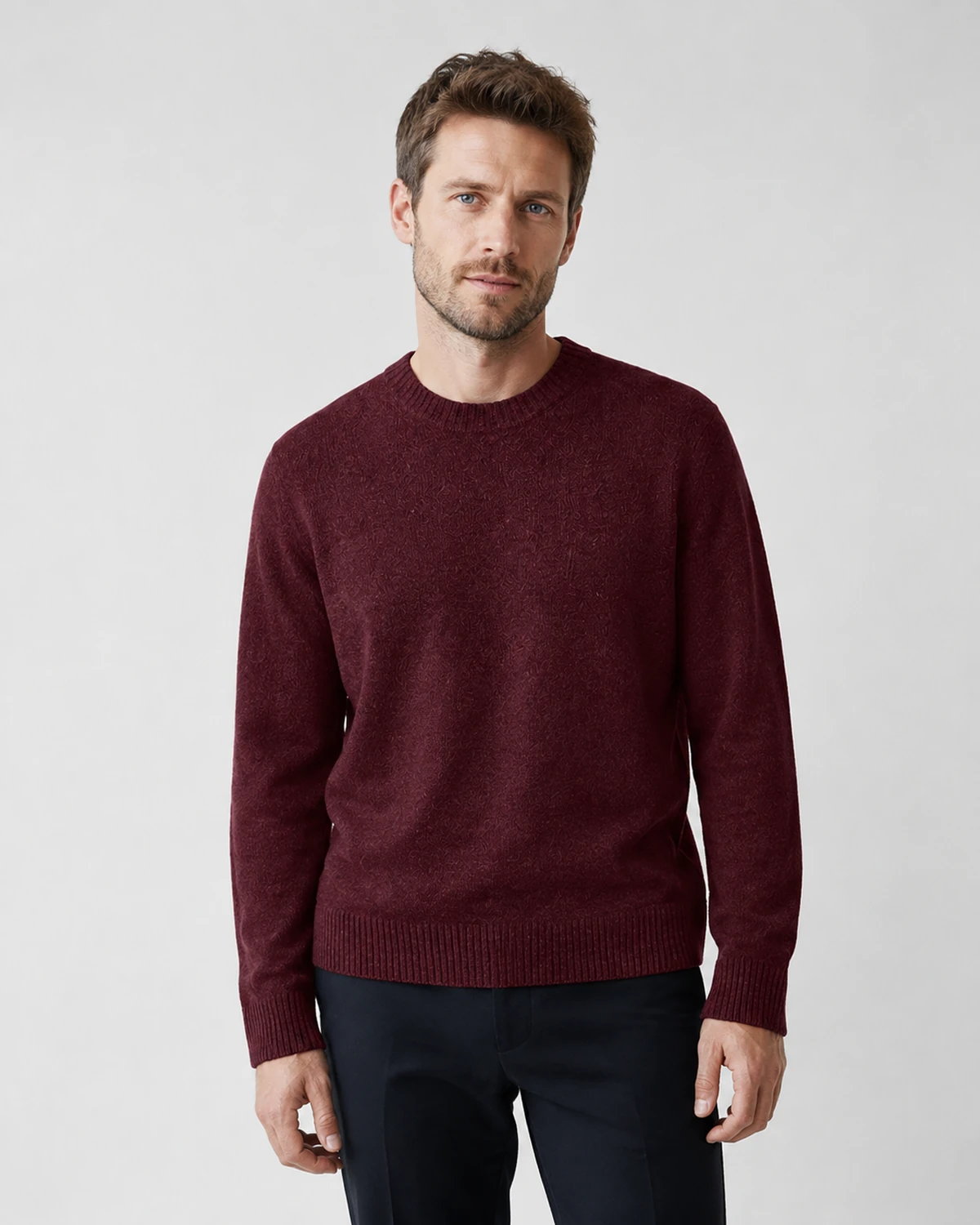
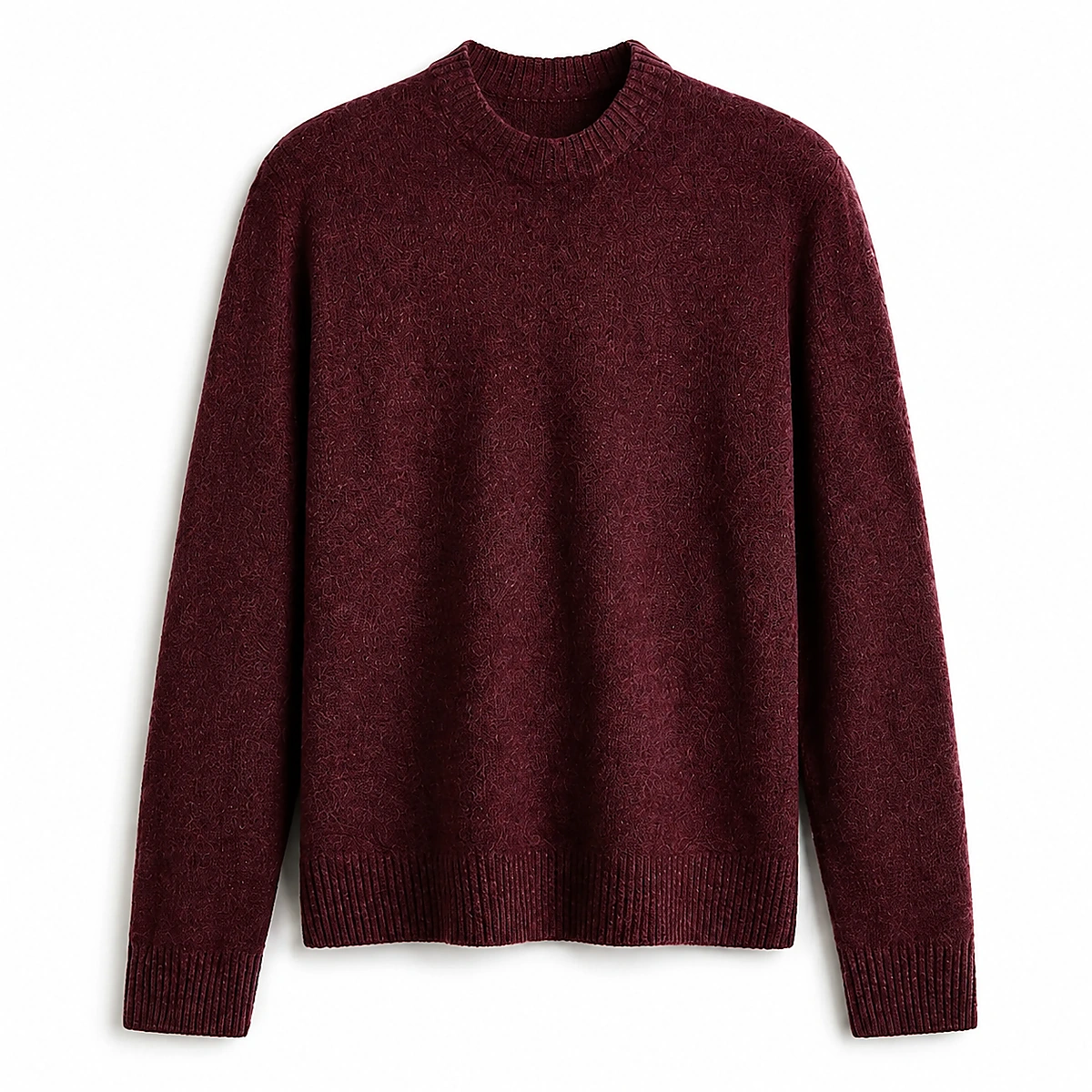
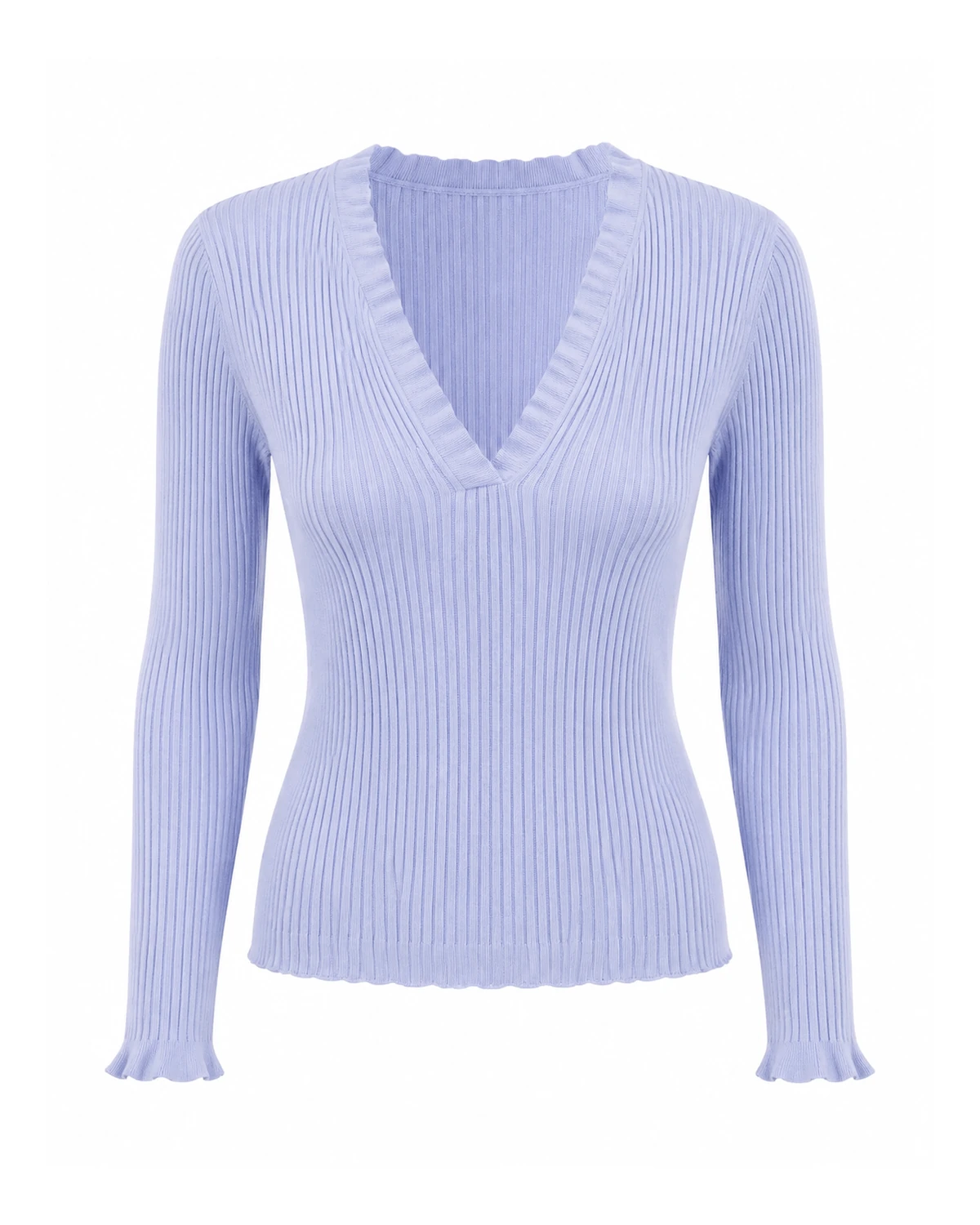
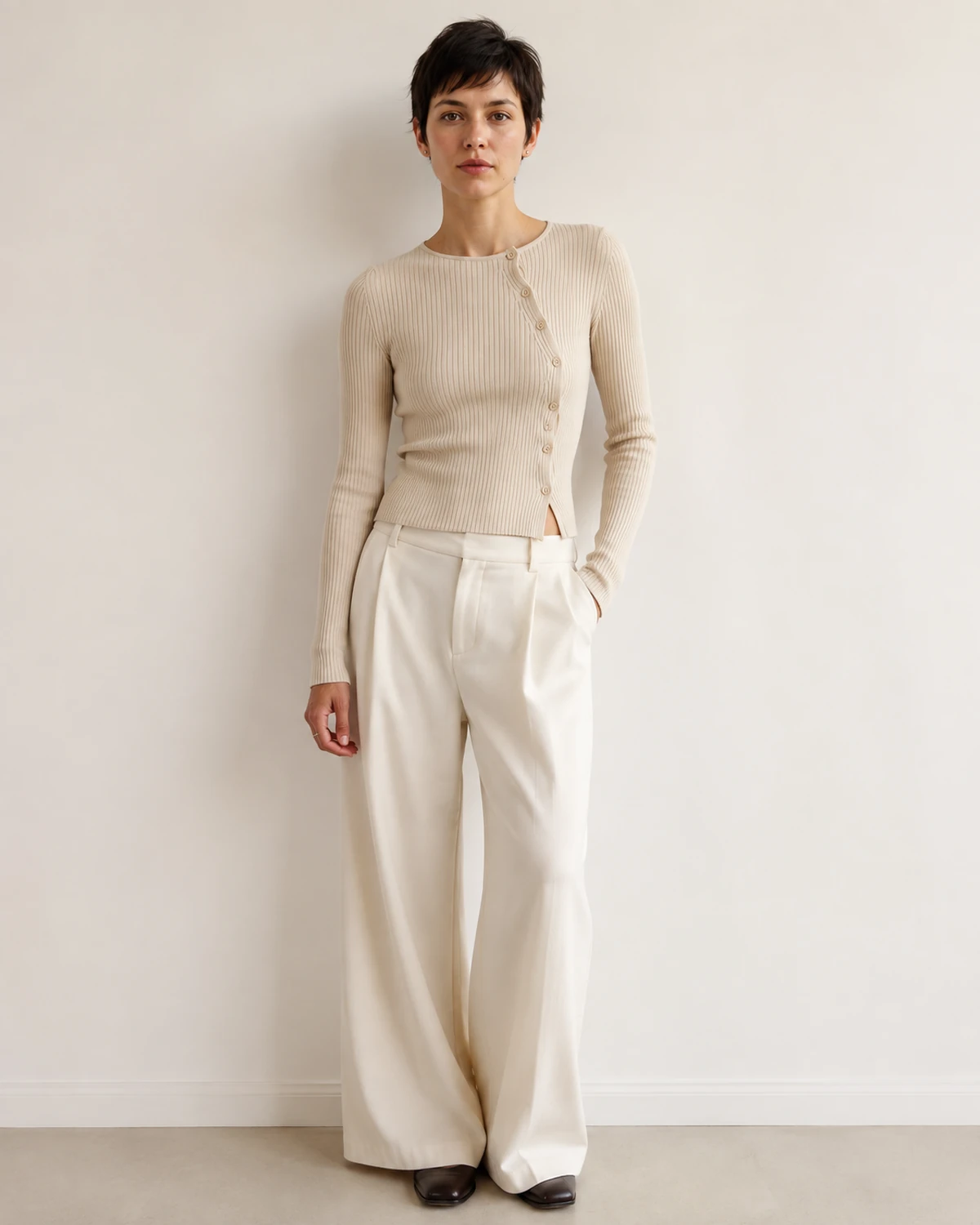
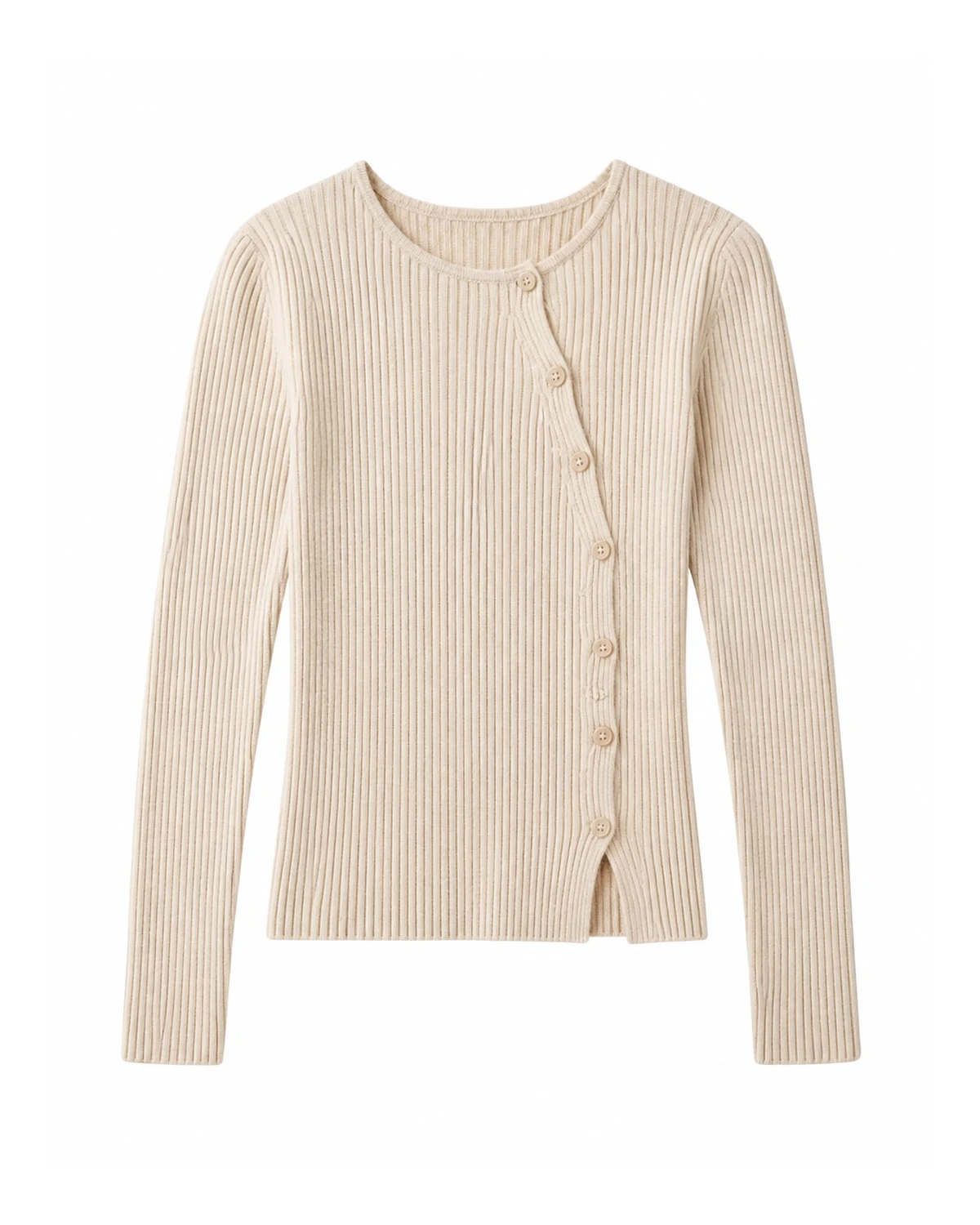
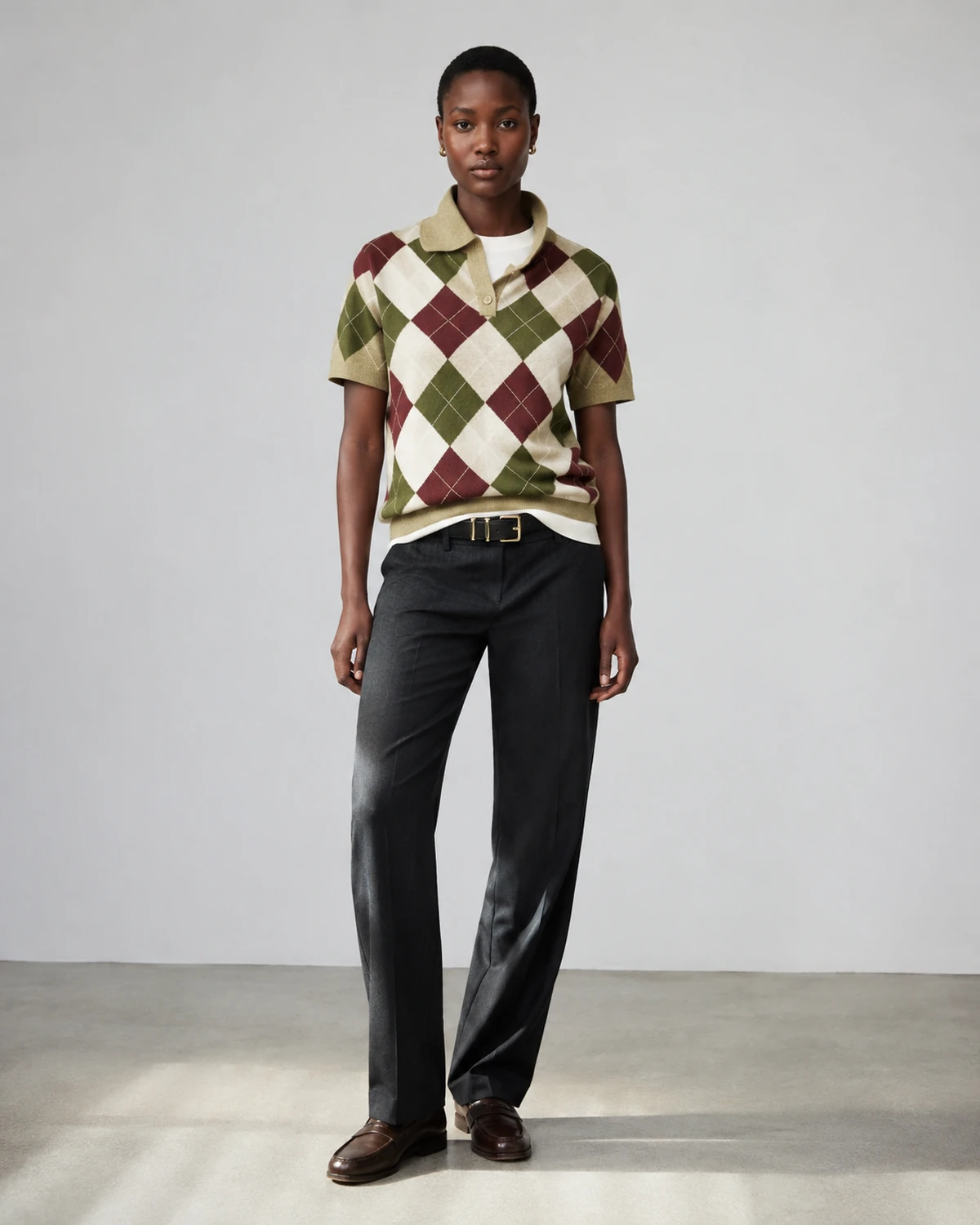
women sweaters
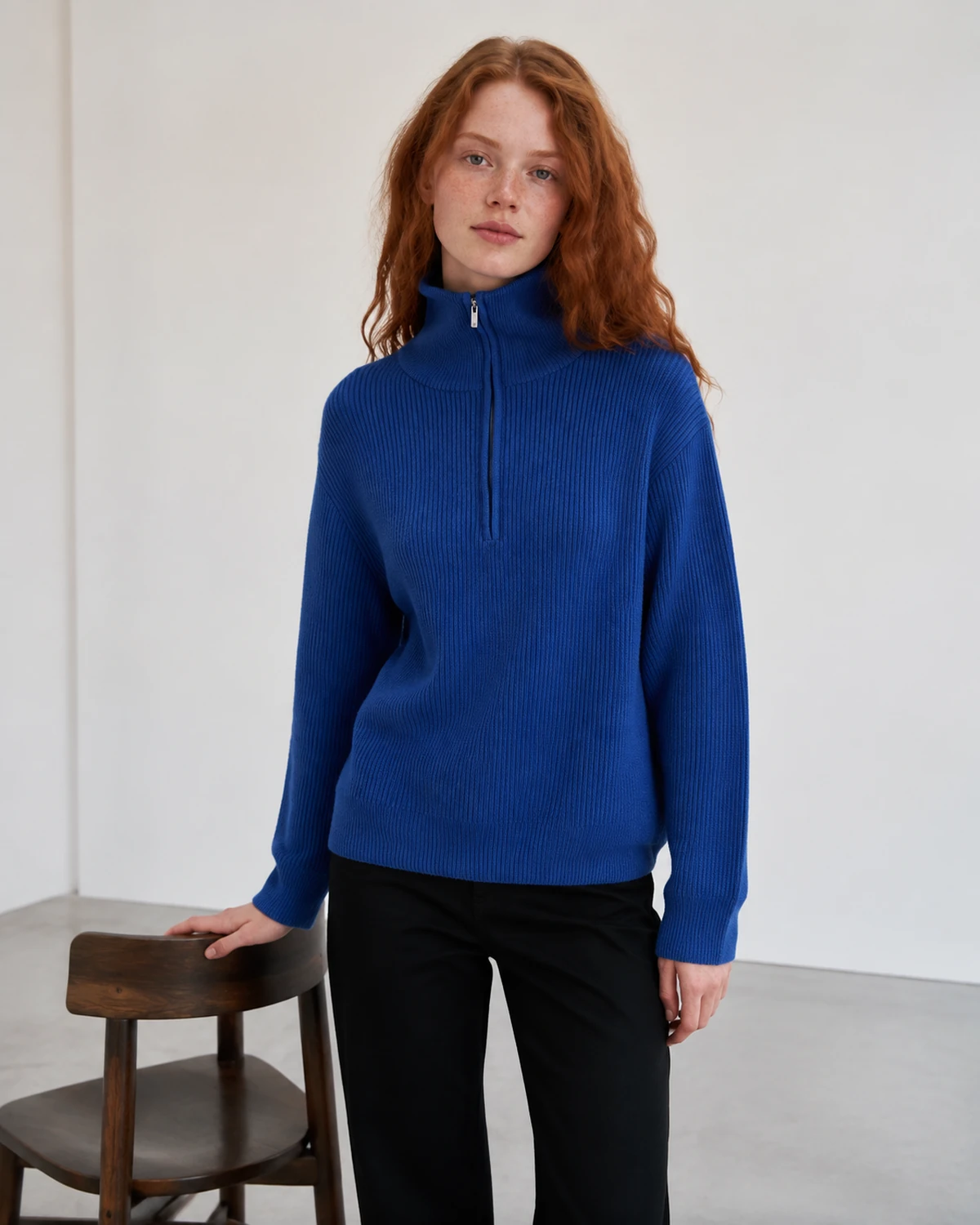
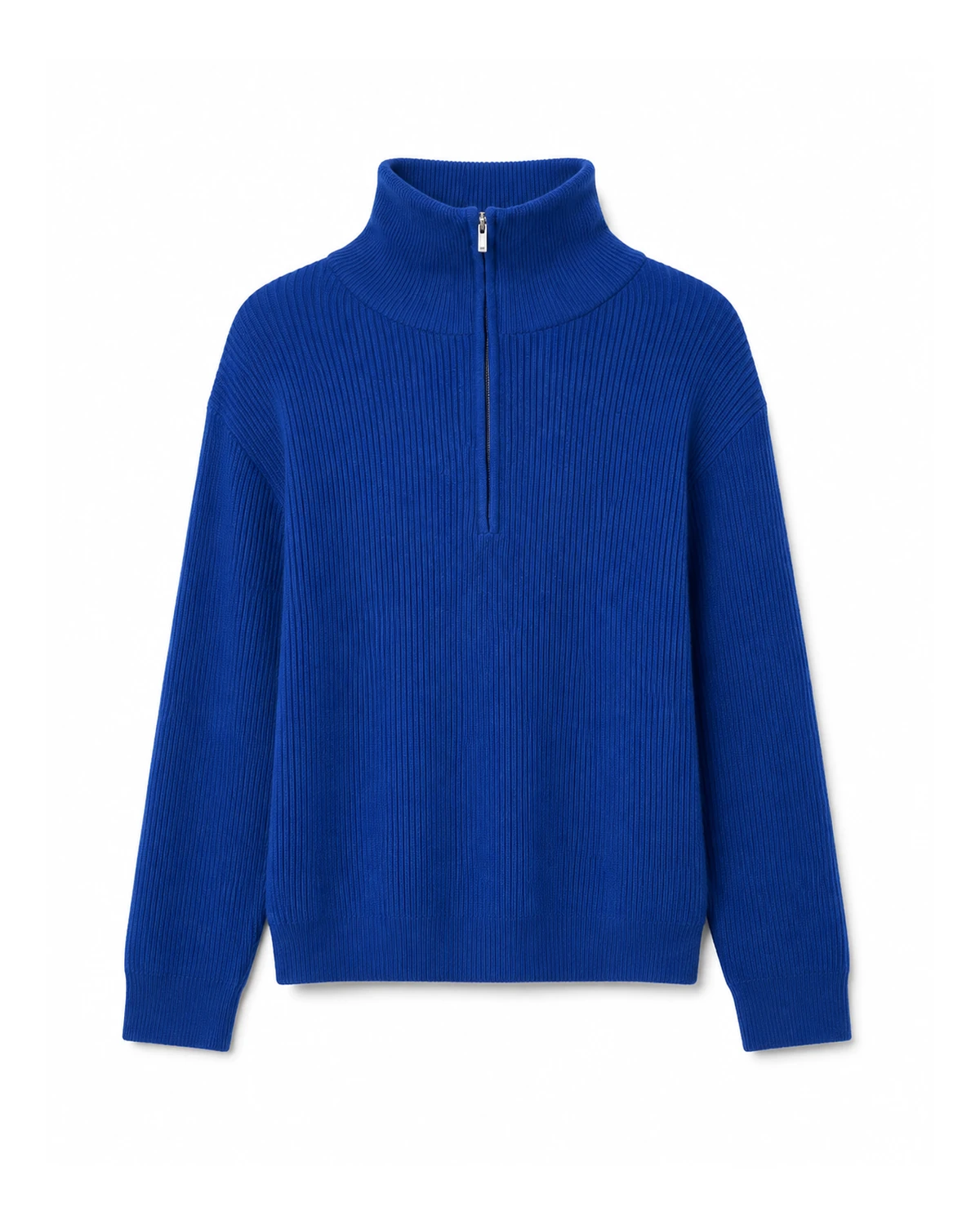
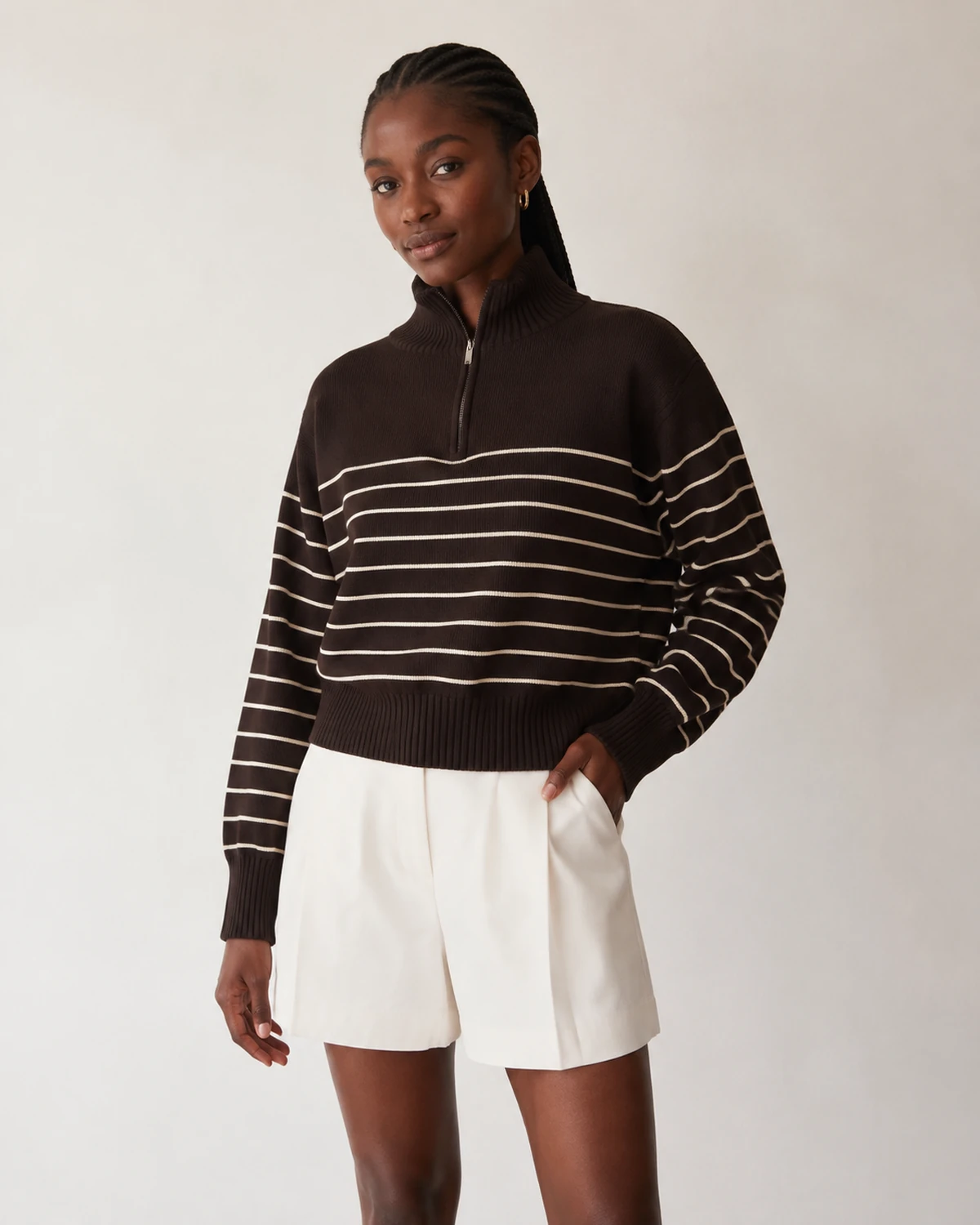
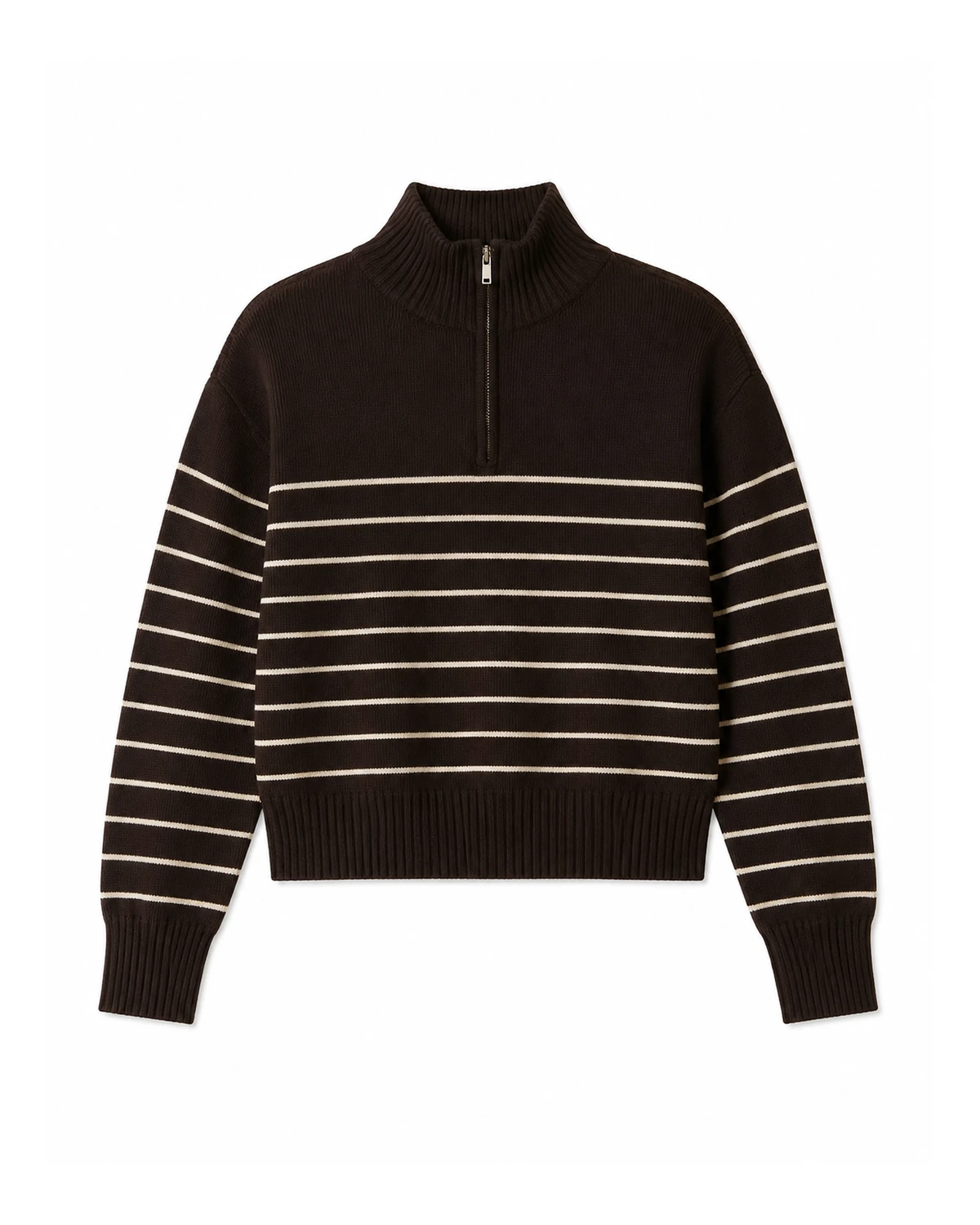
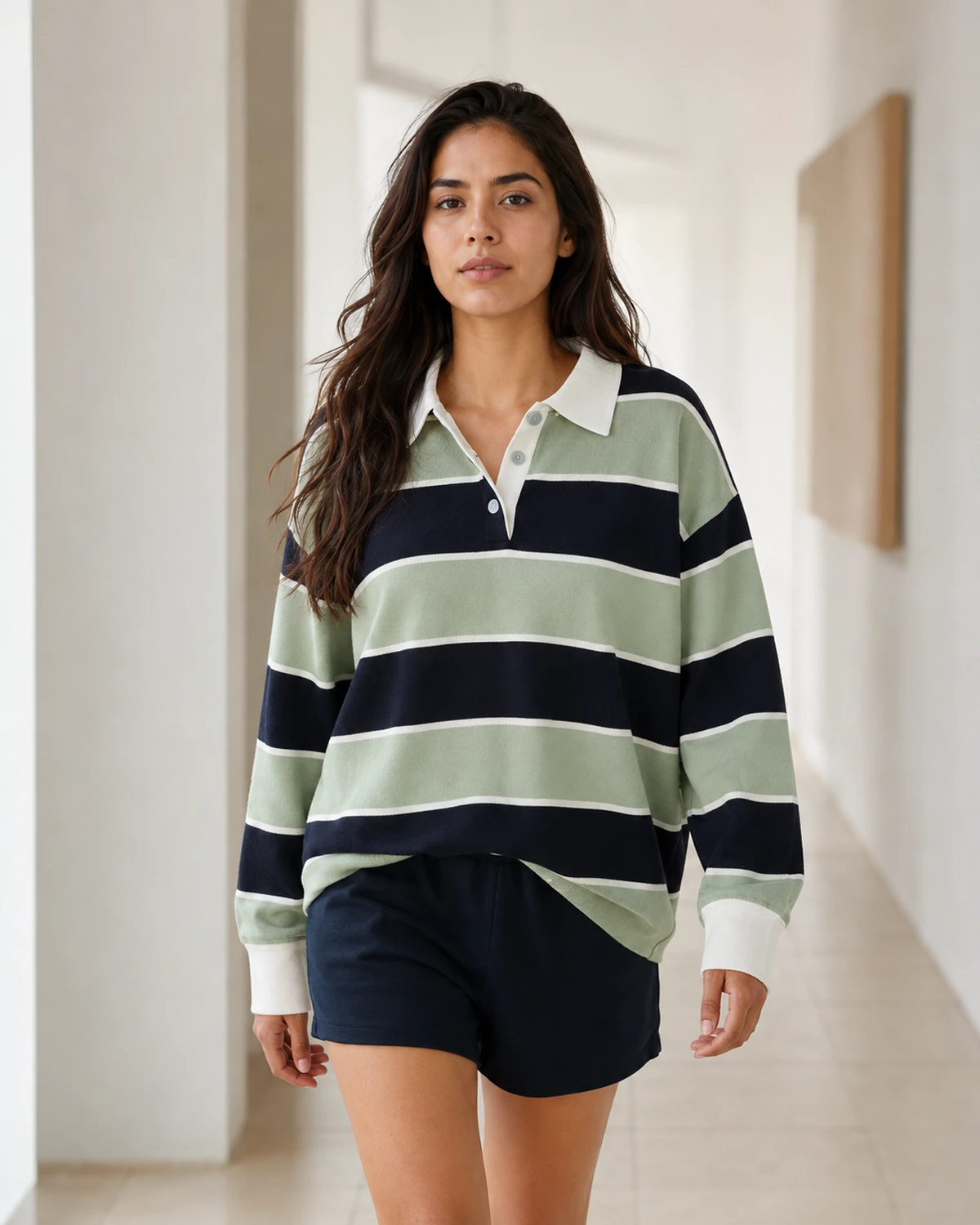
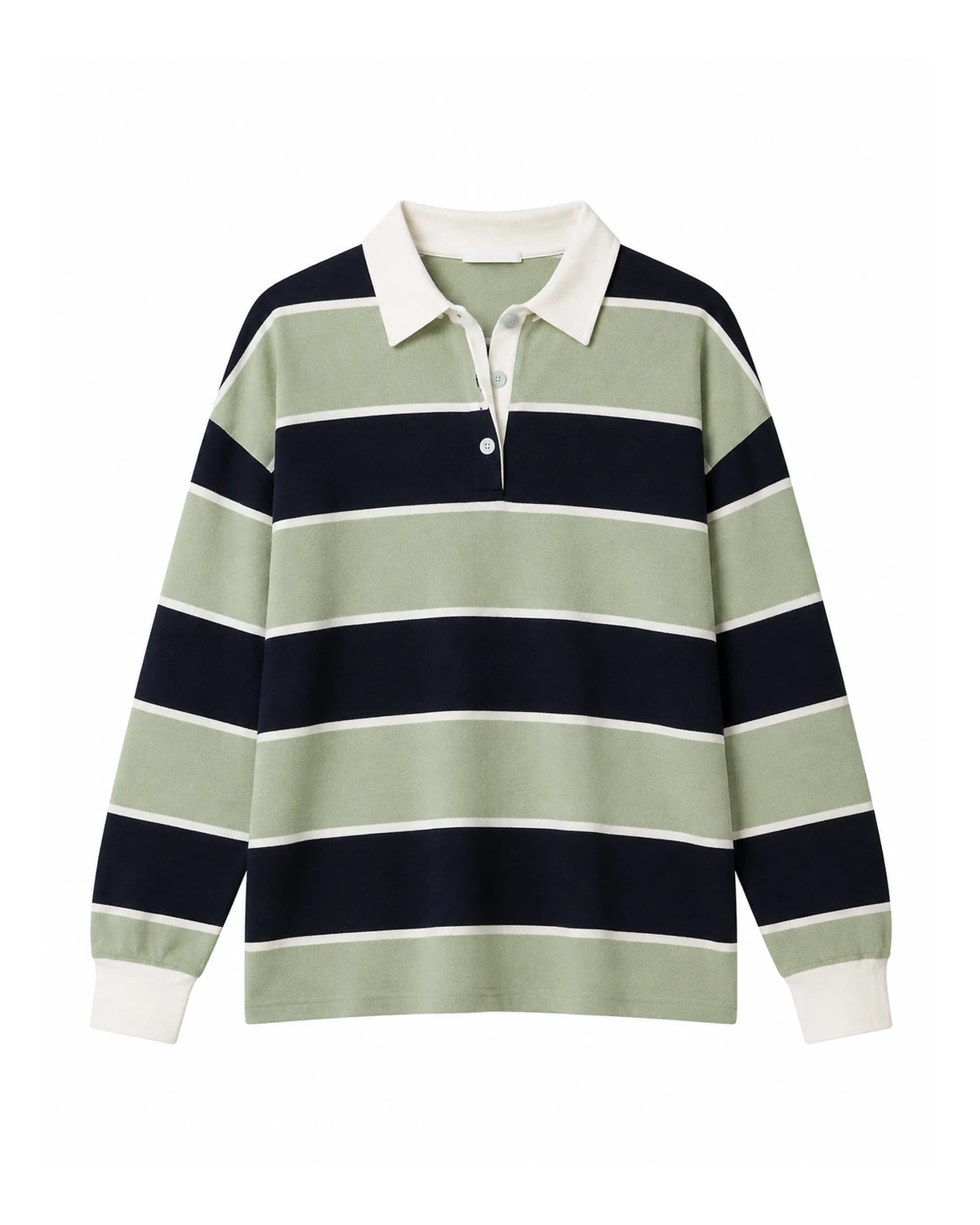
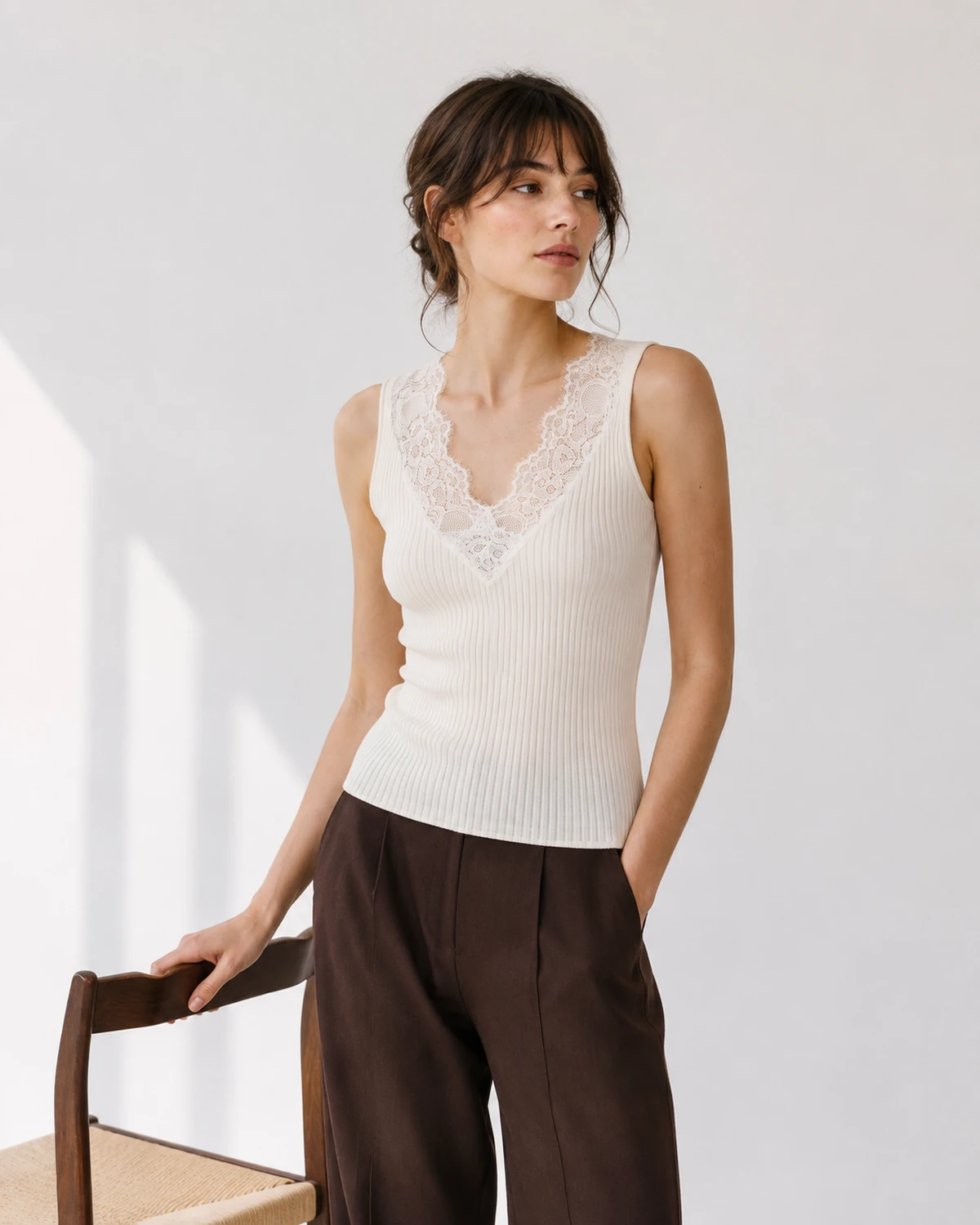
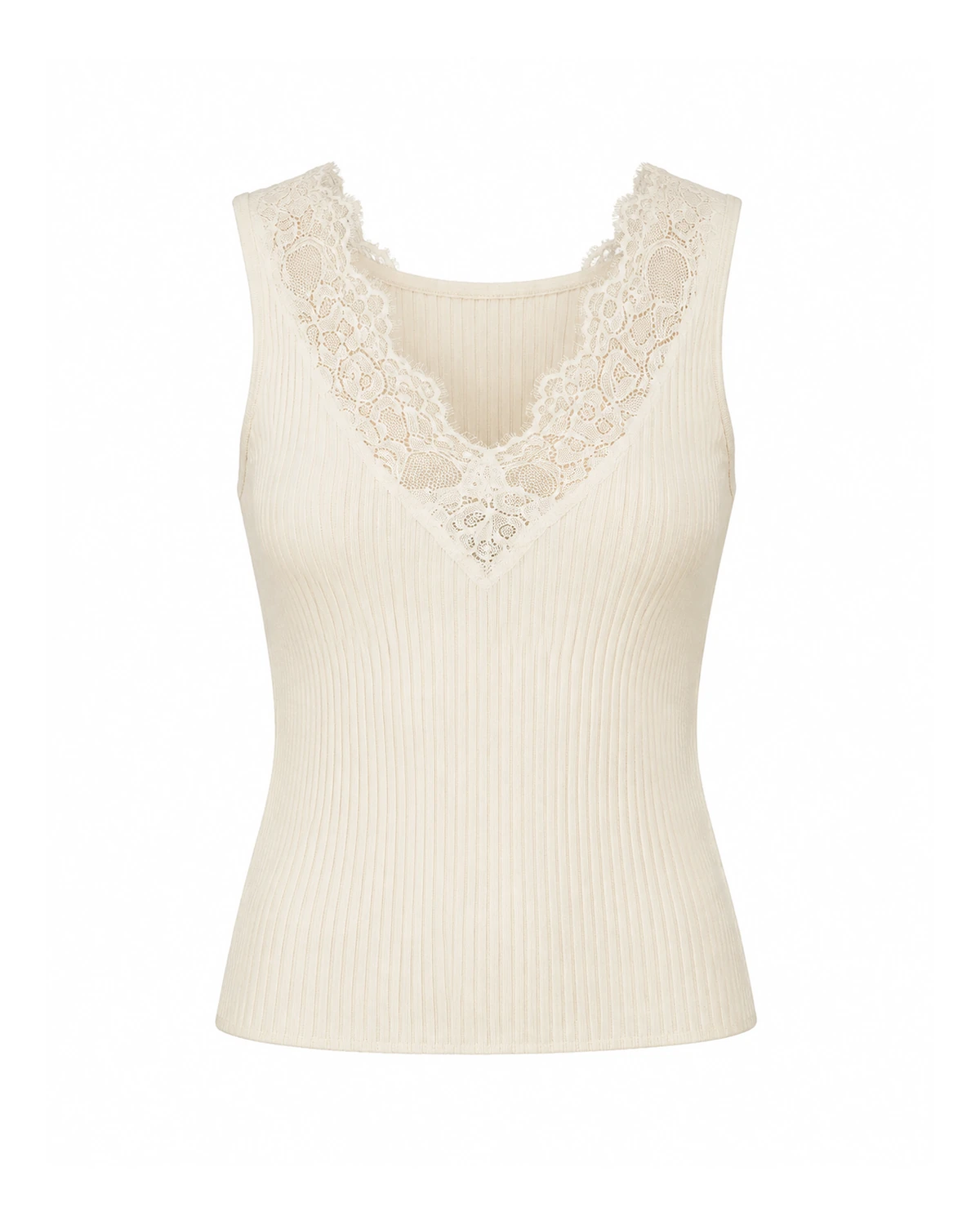
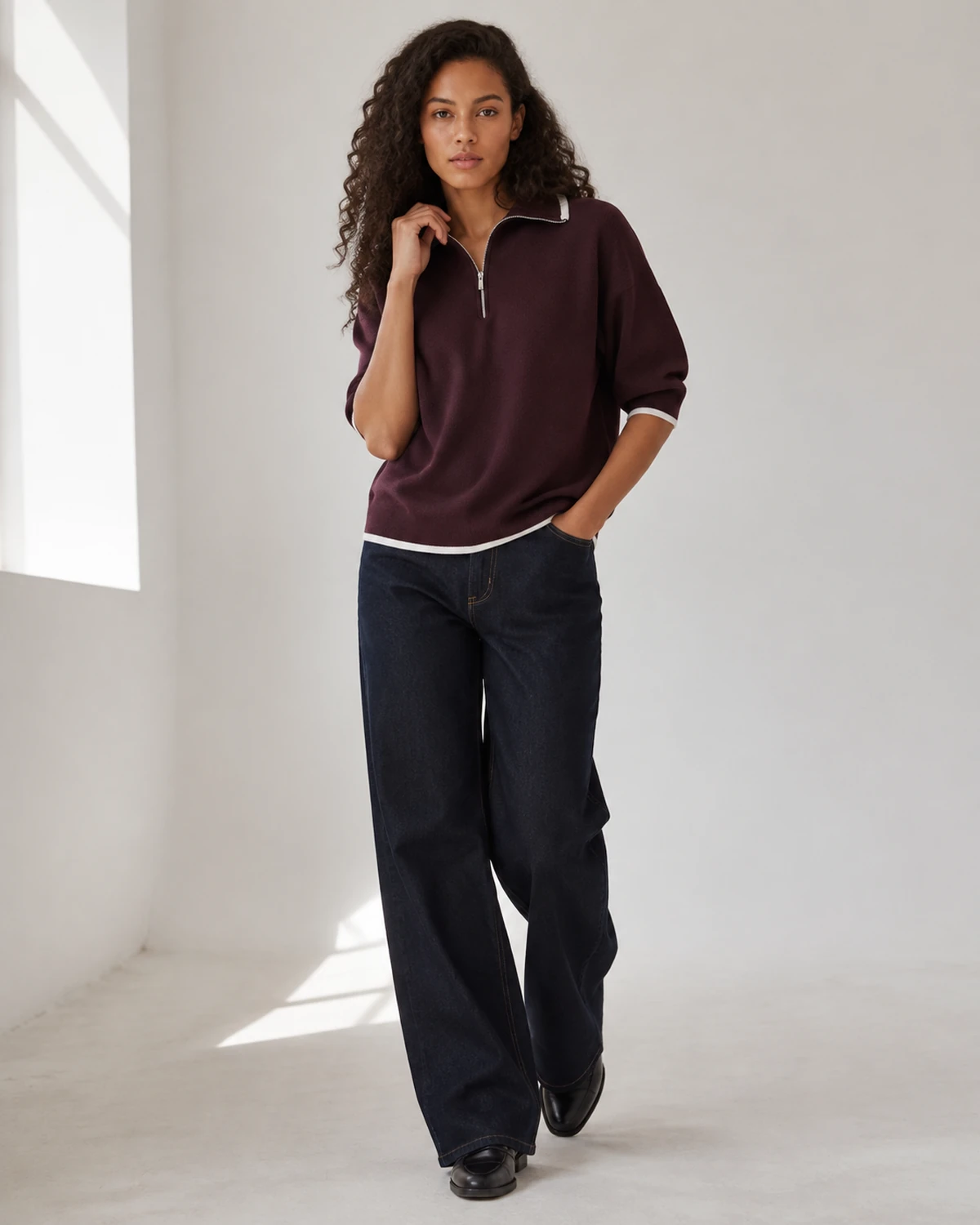
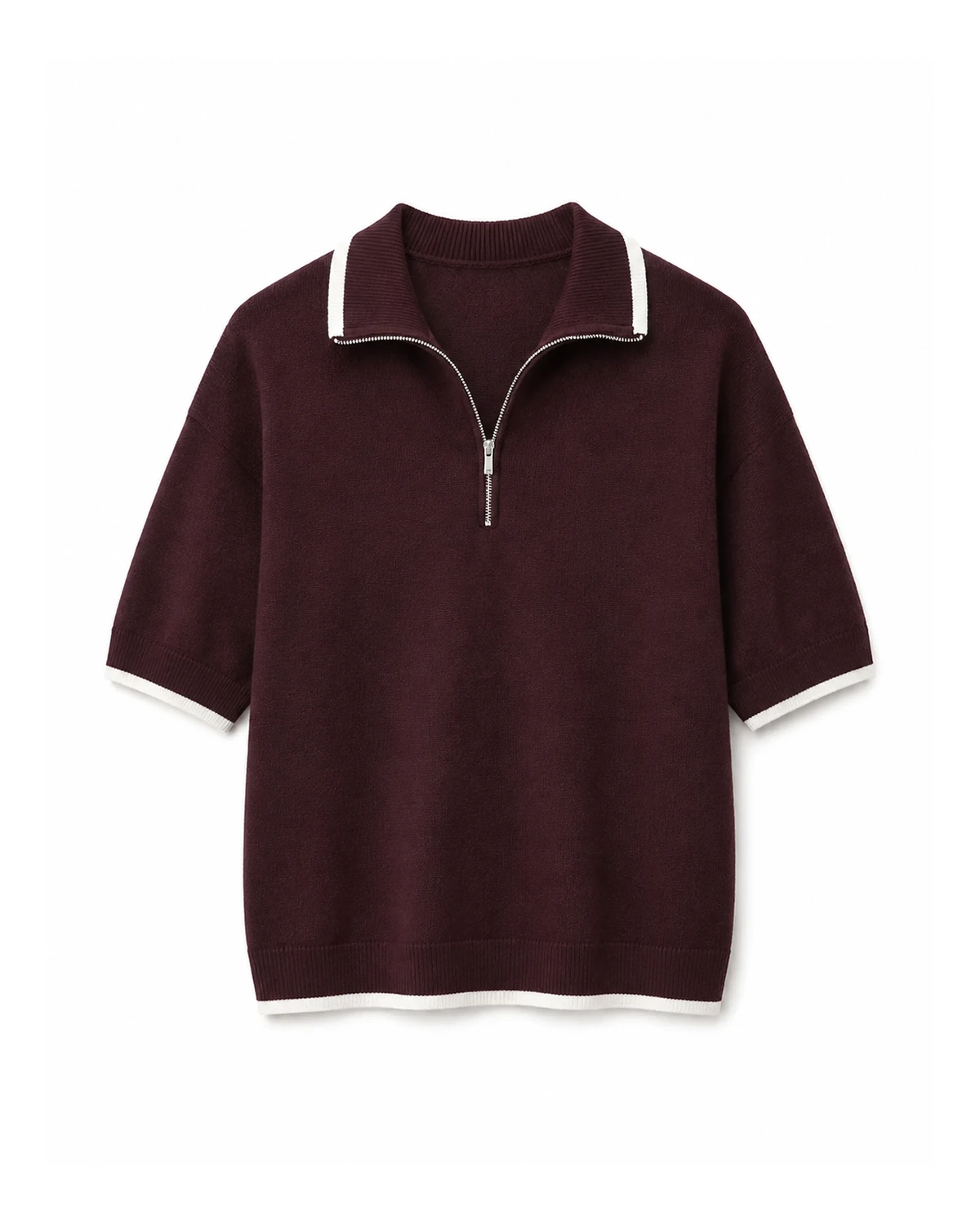
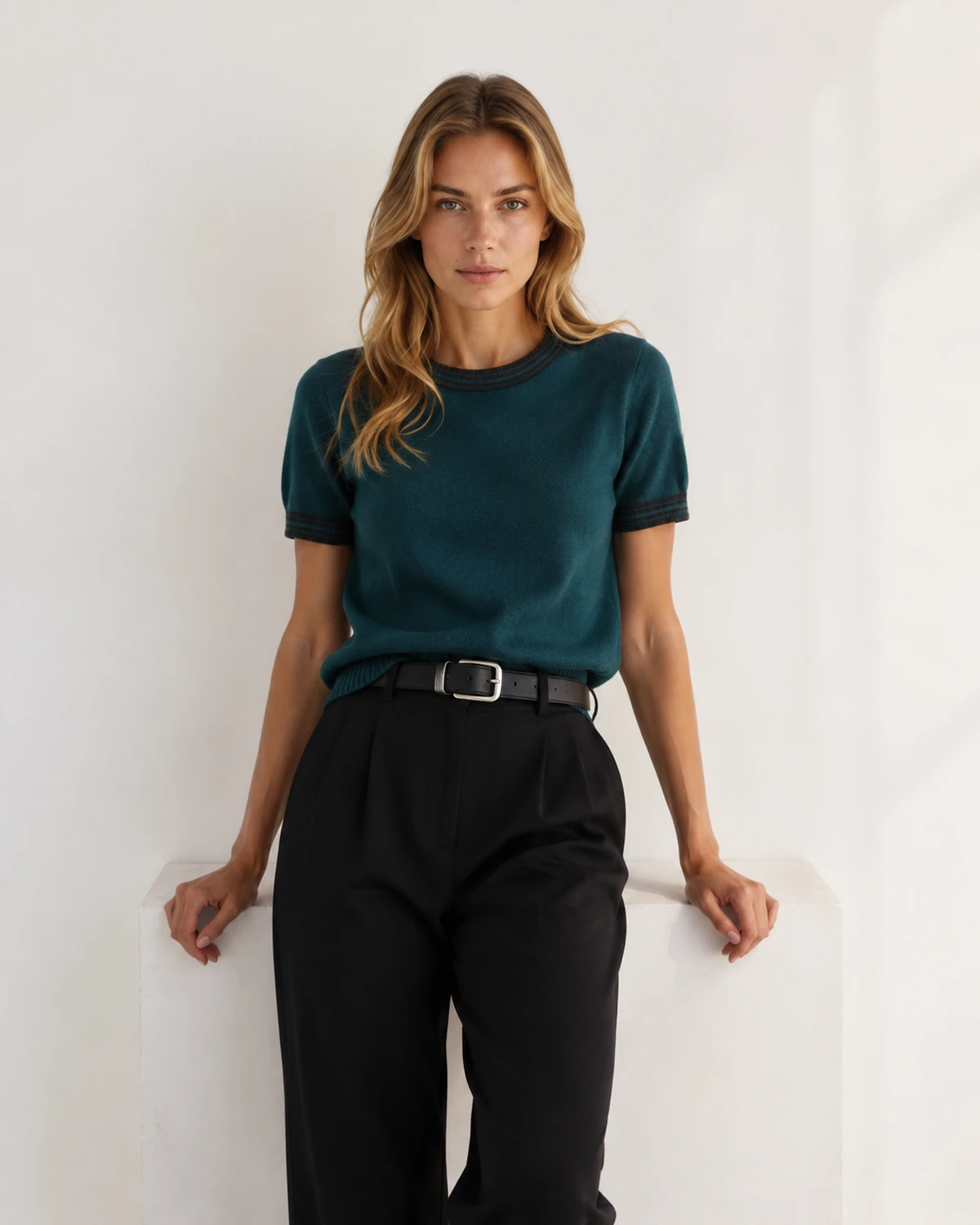
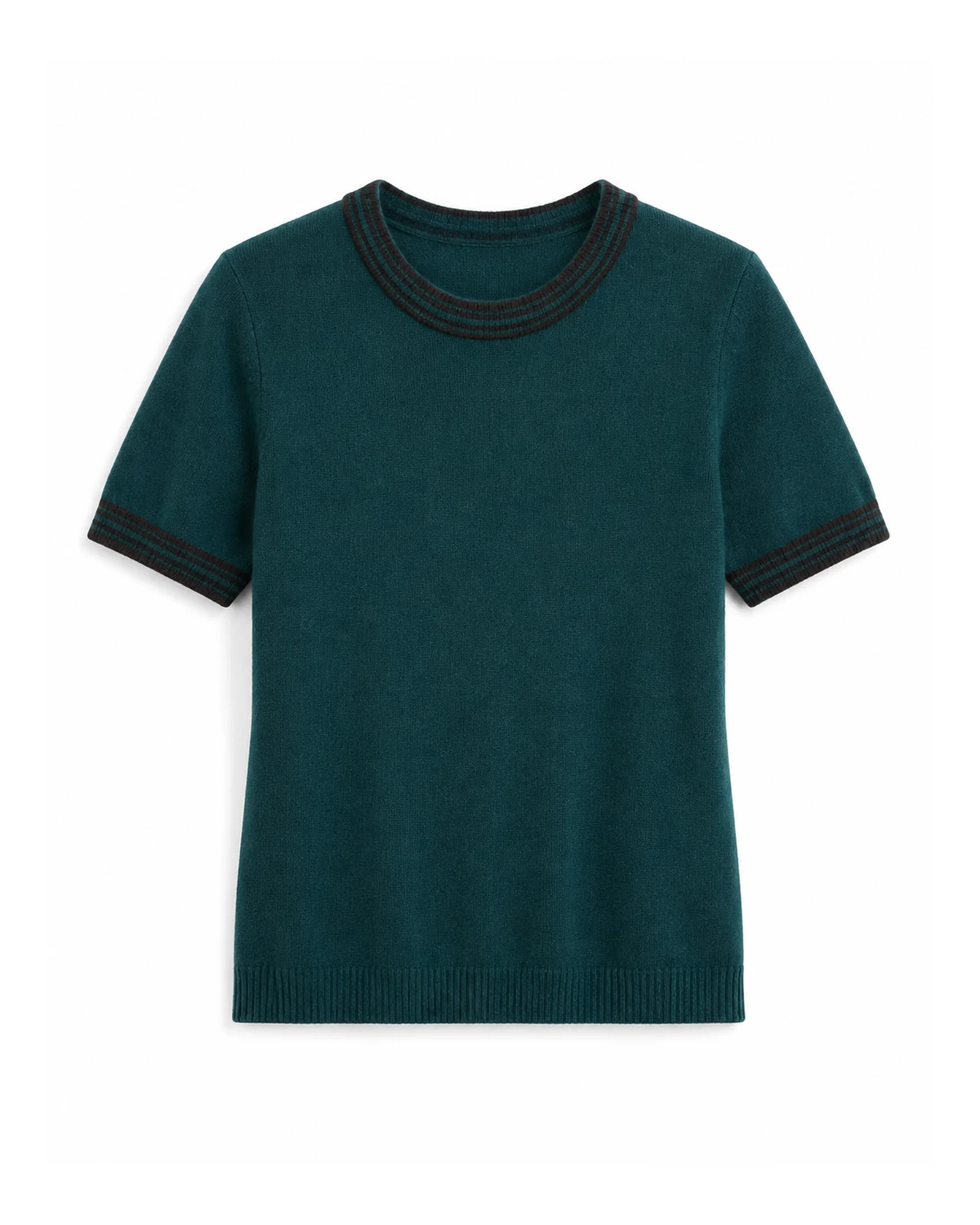
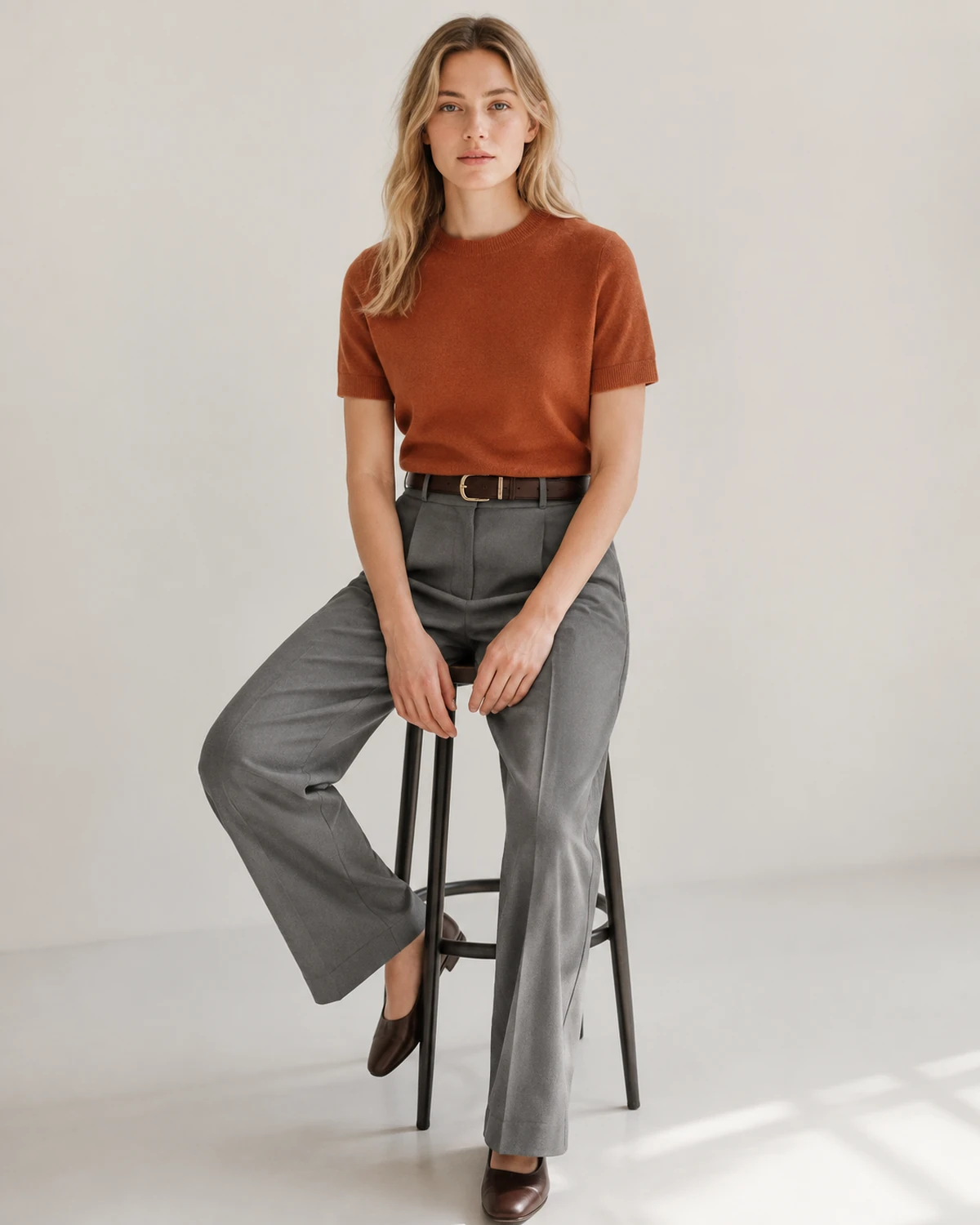
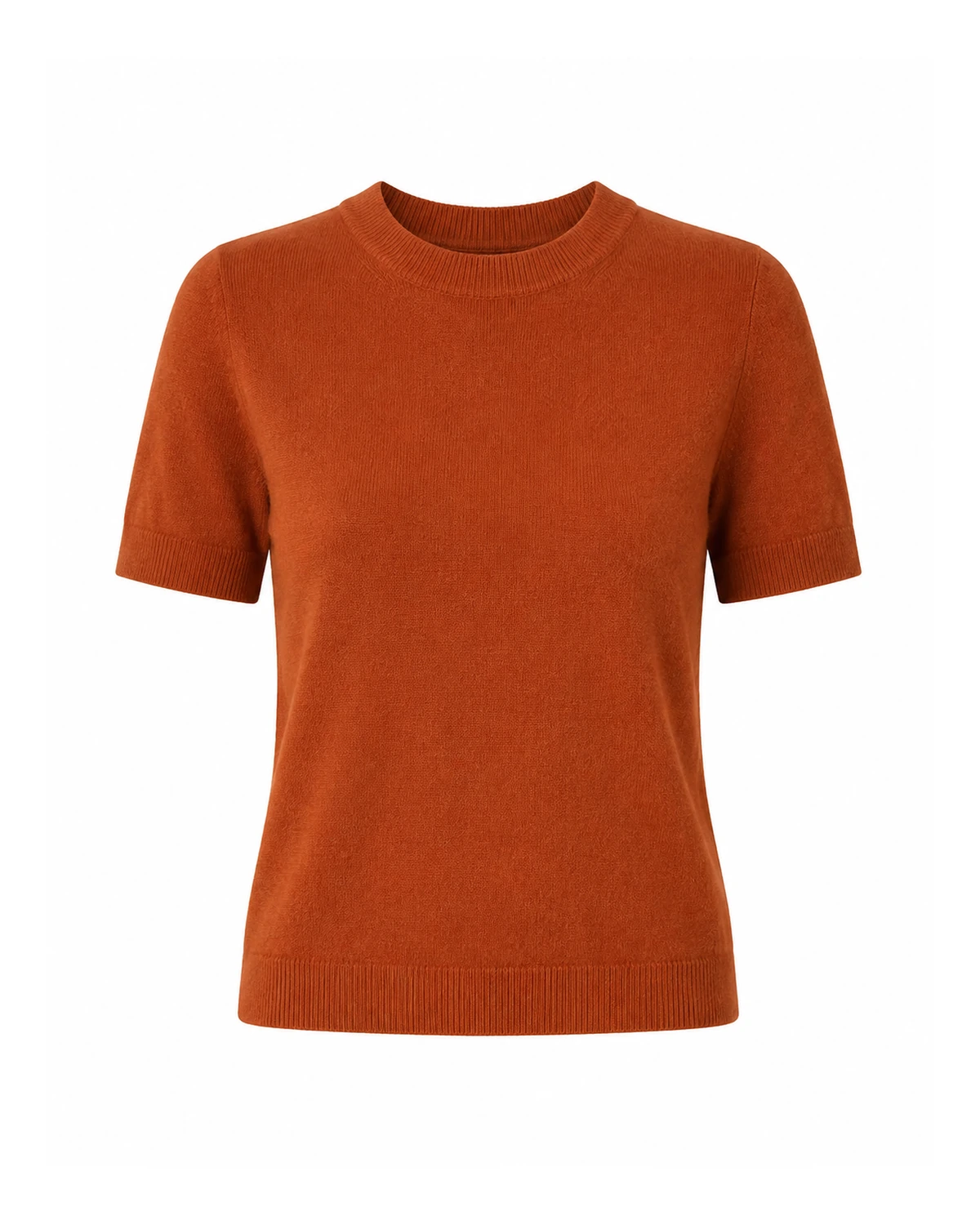
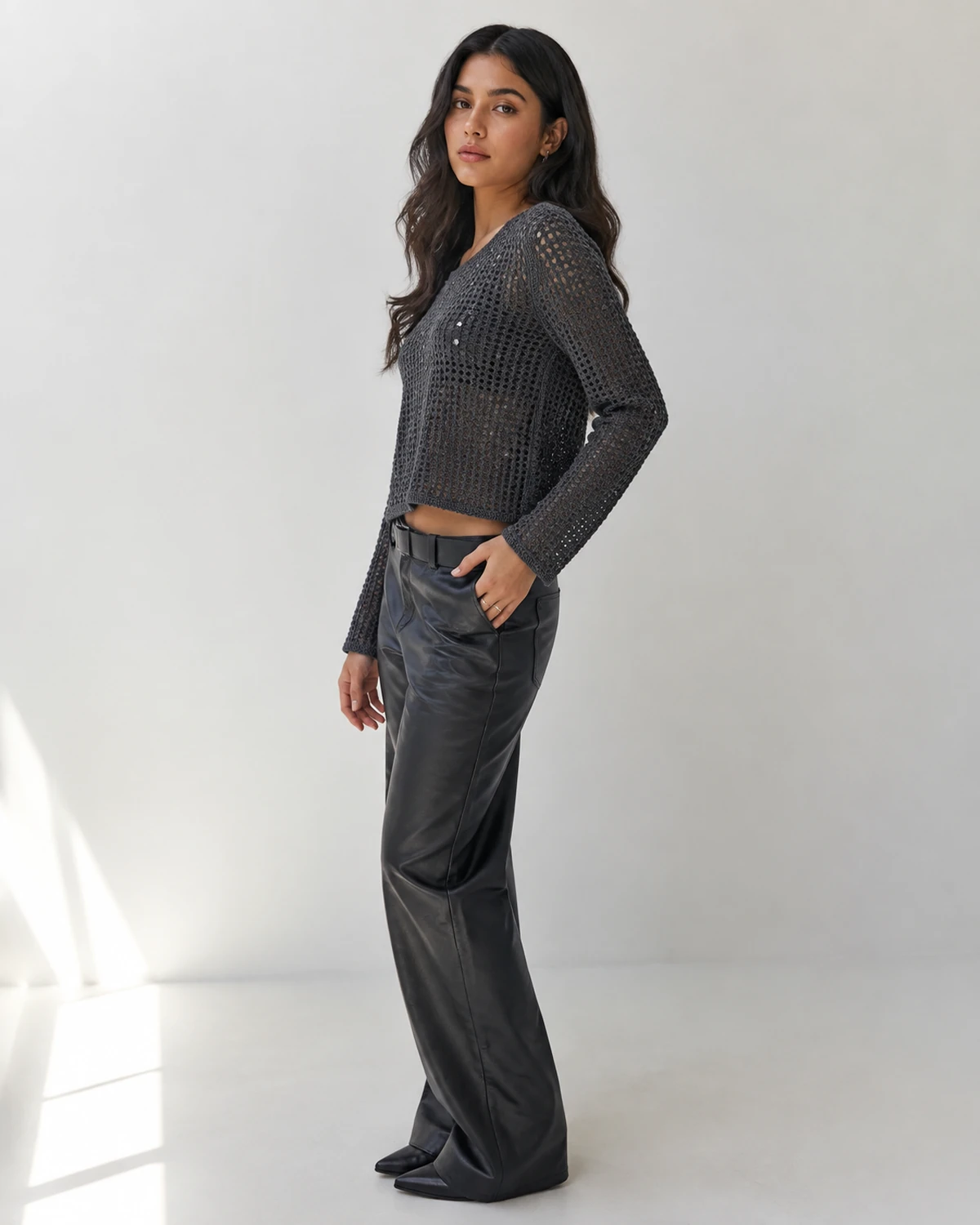
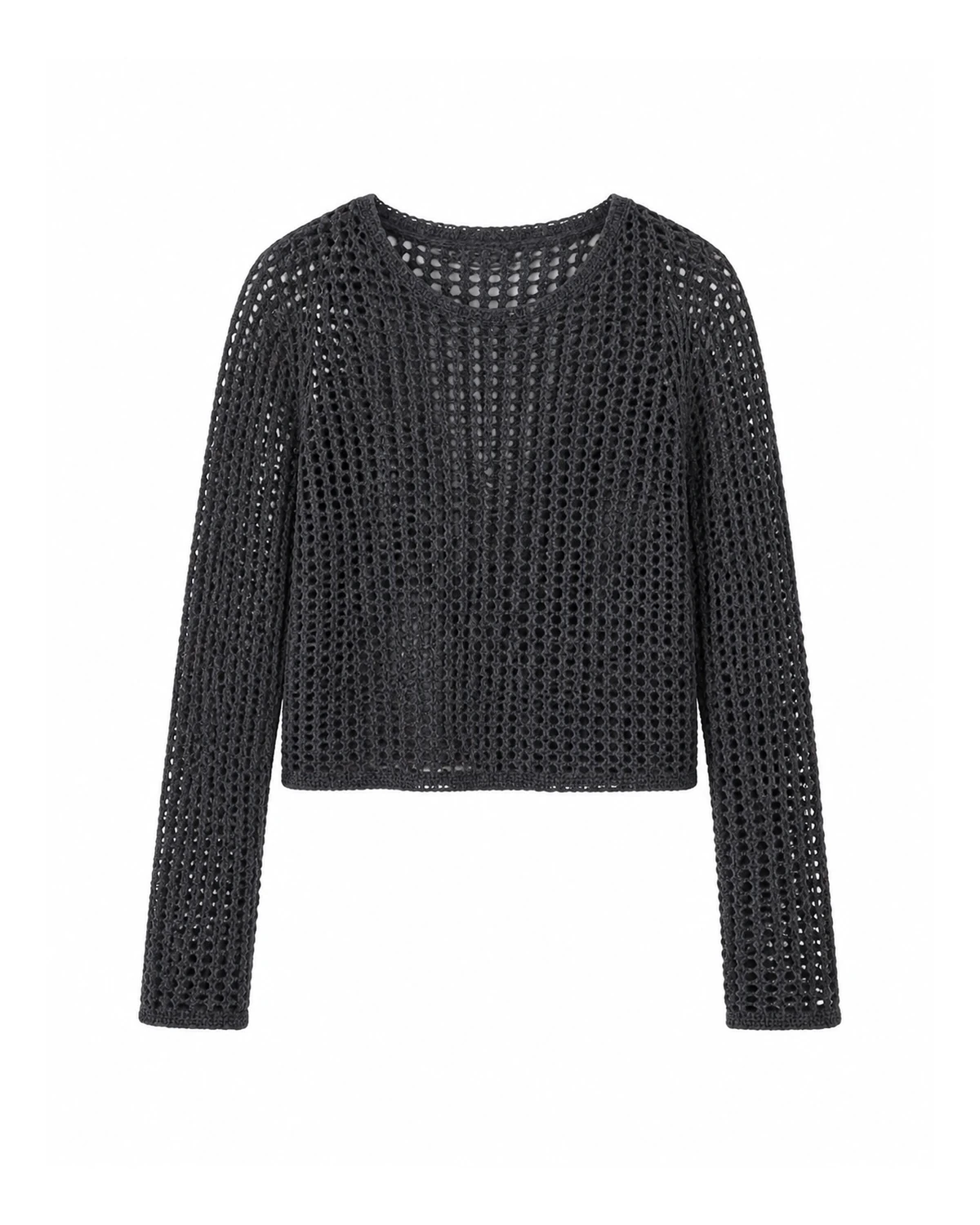
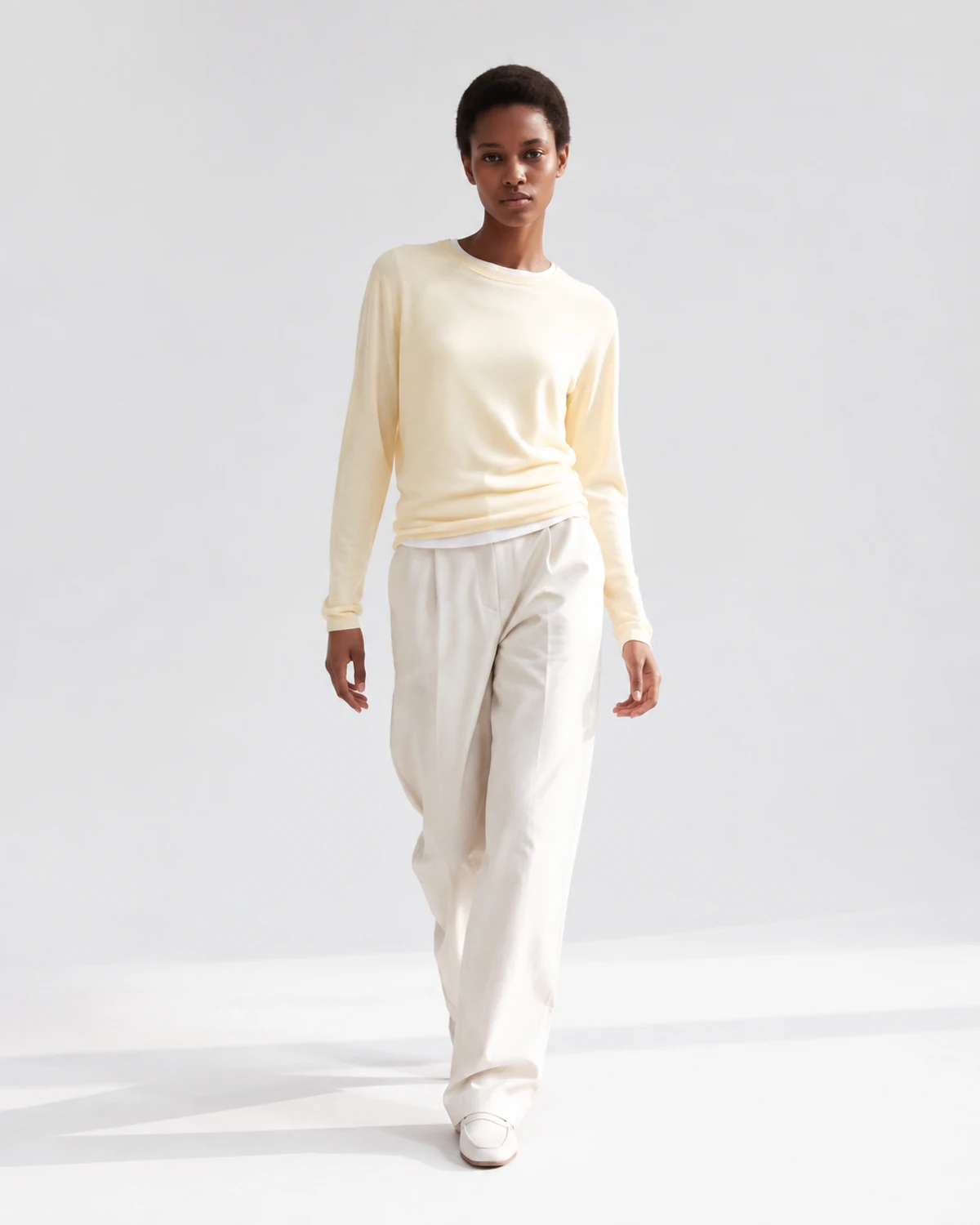
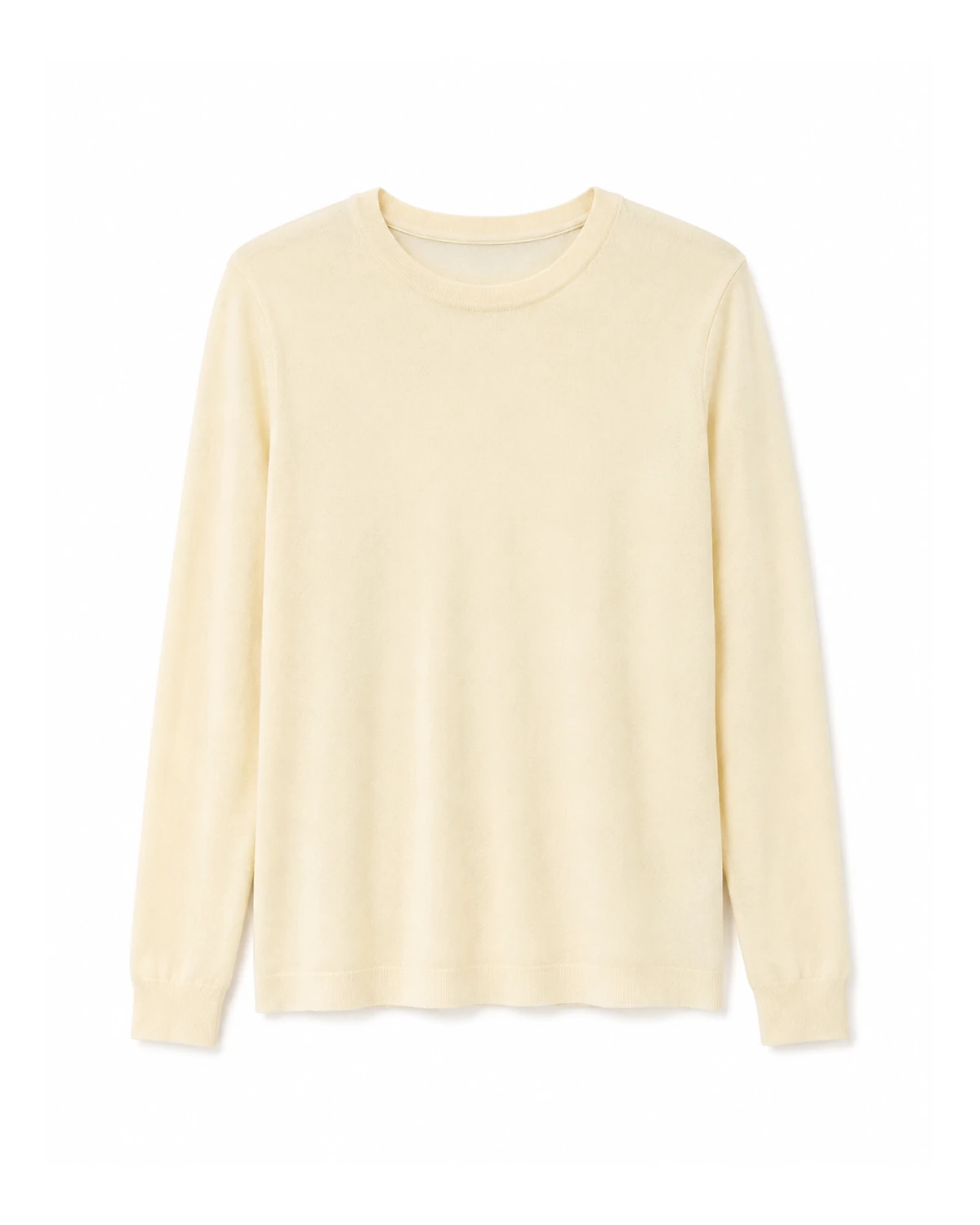

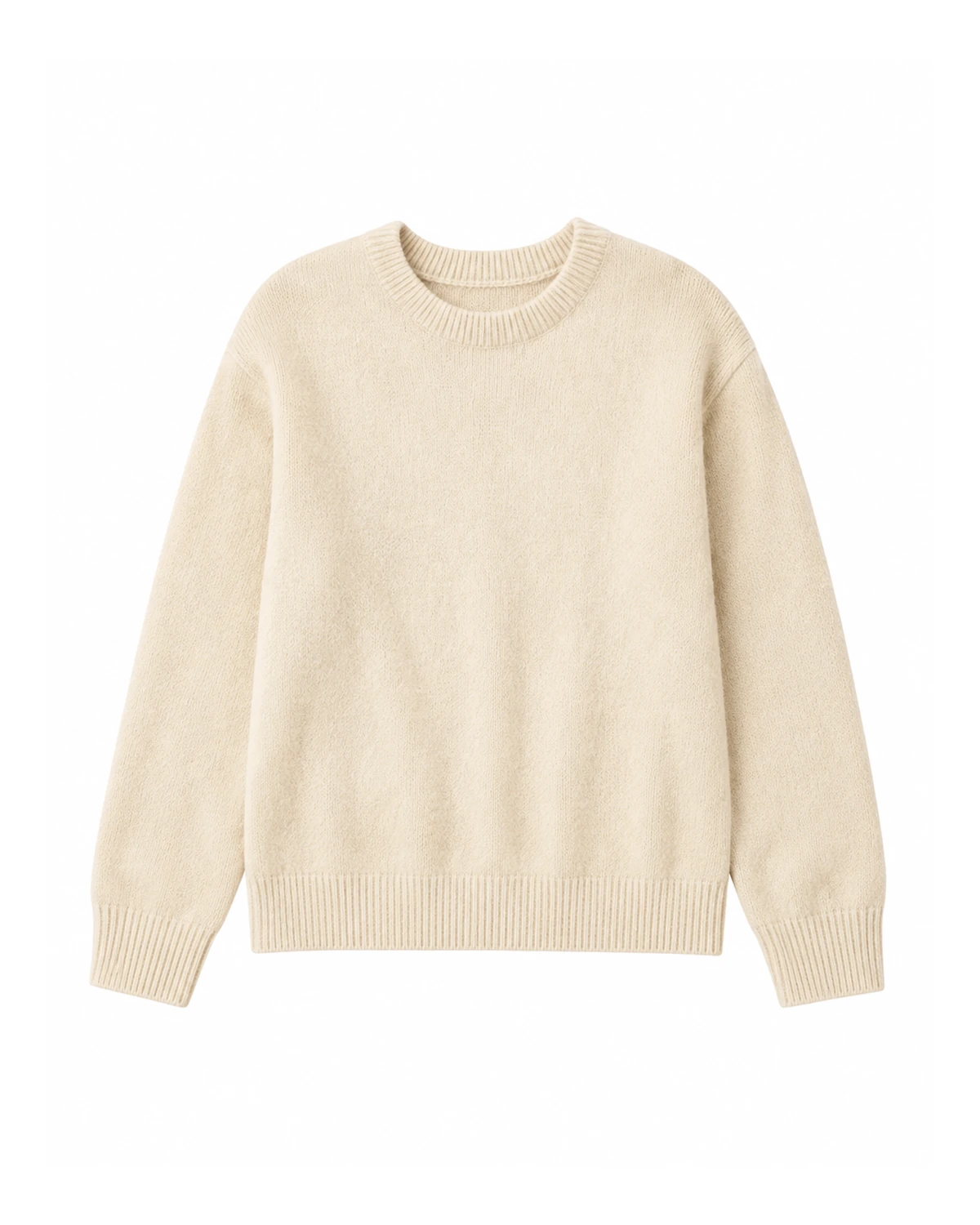
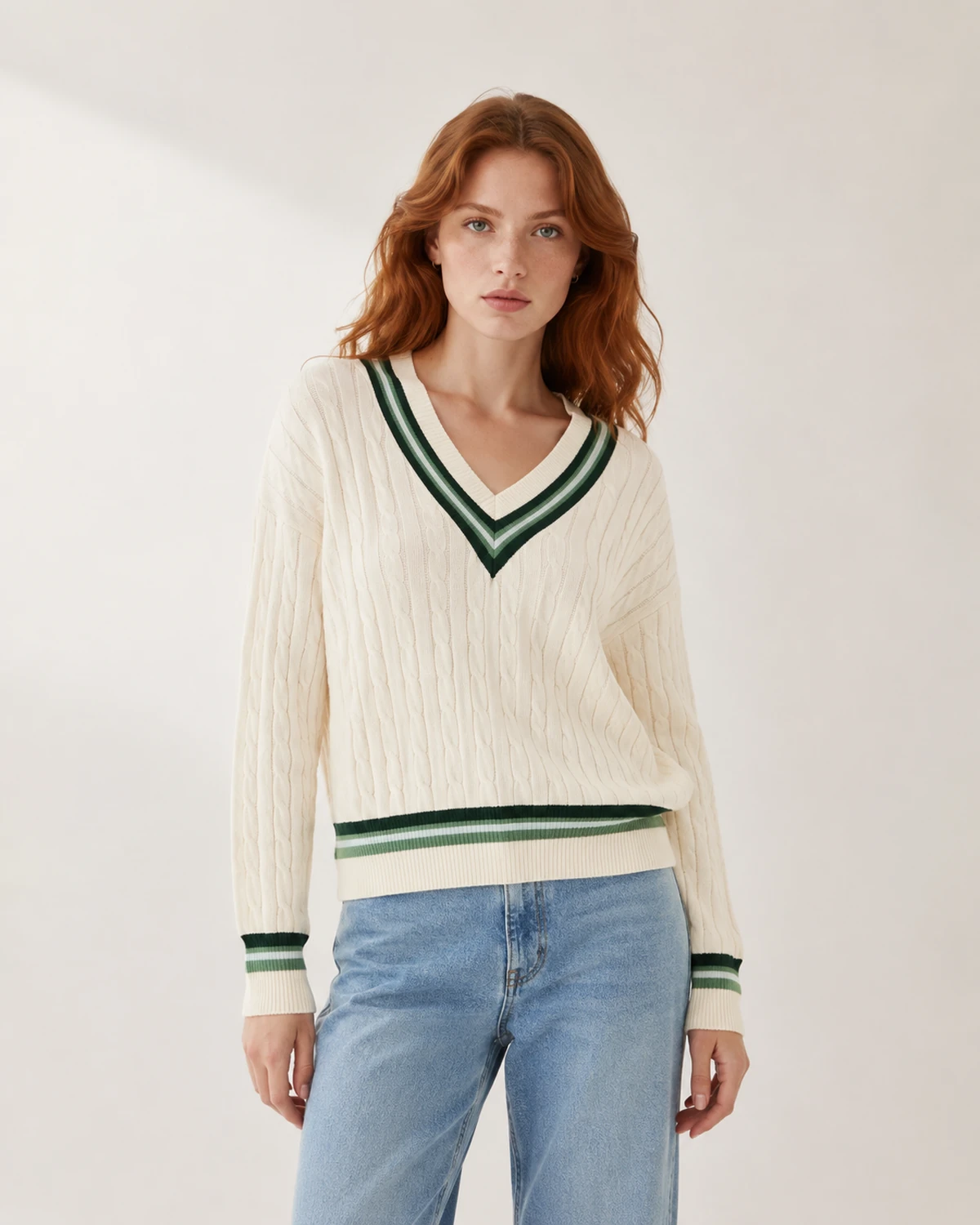
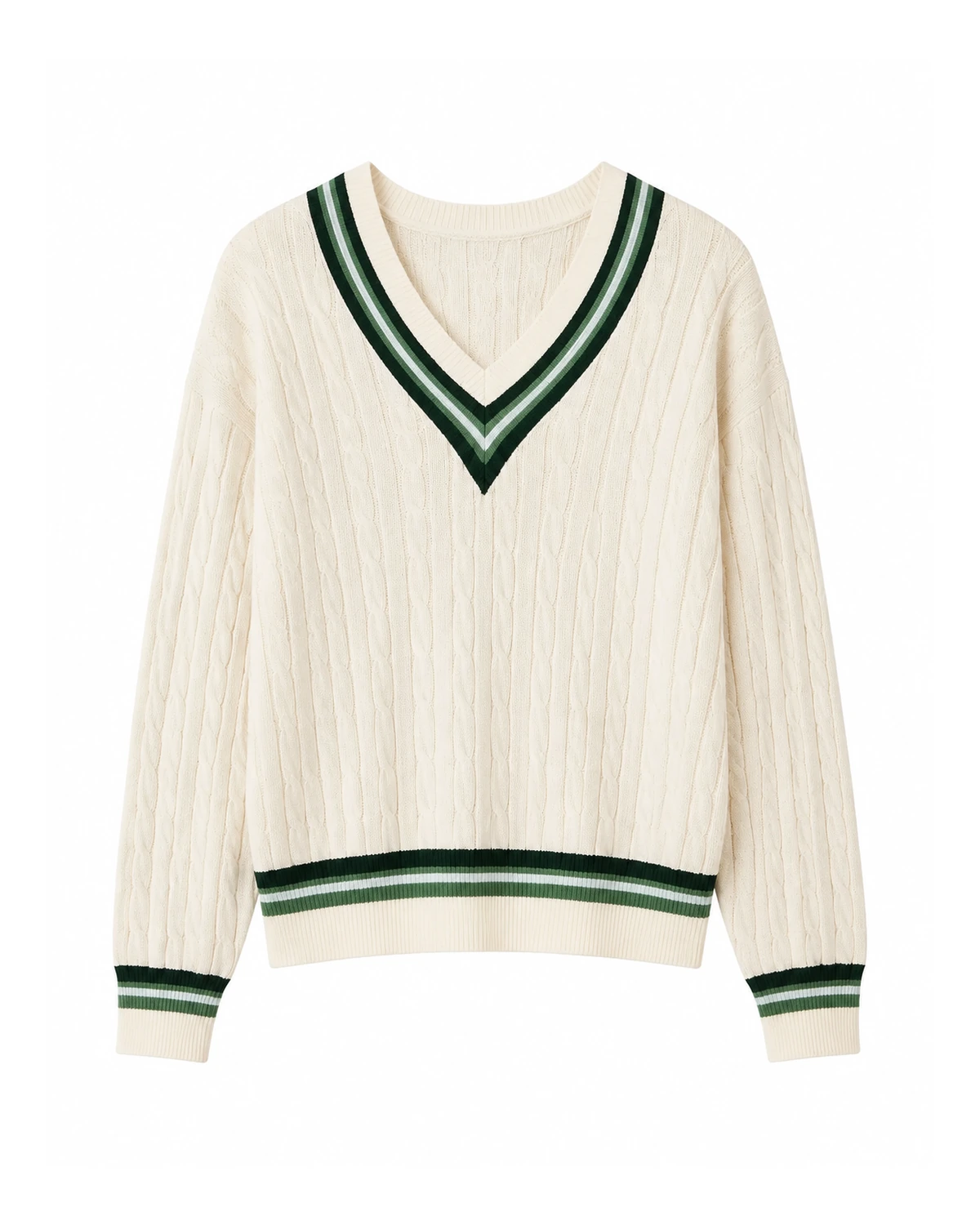
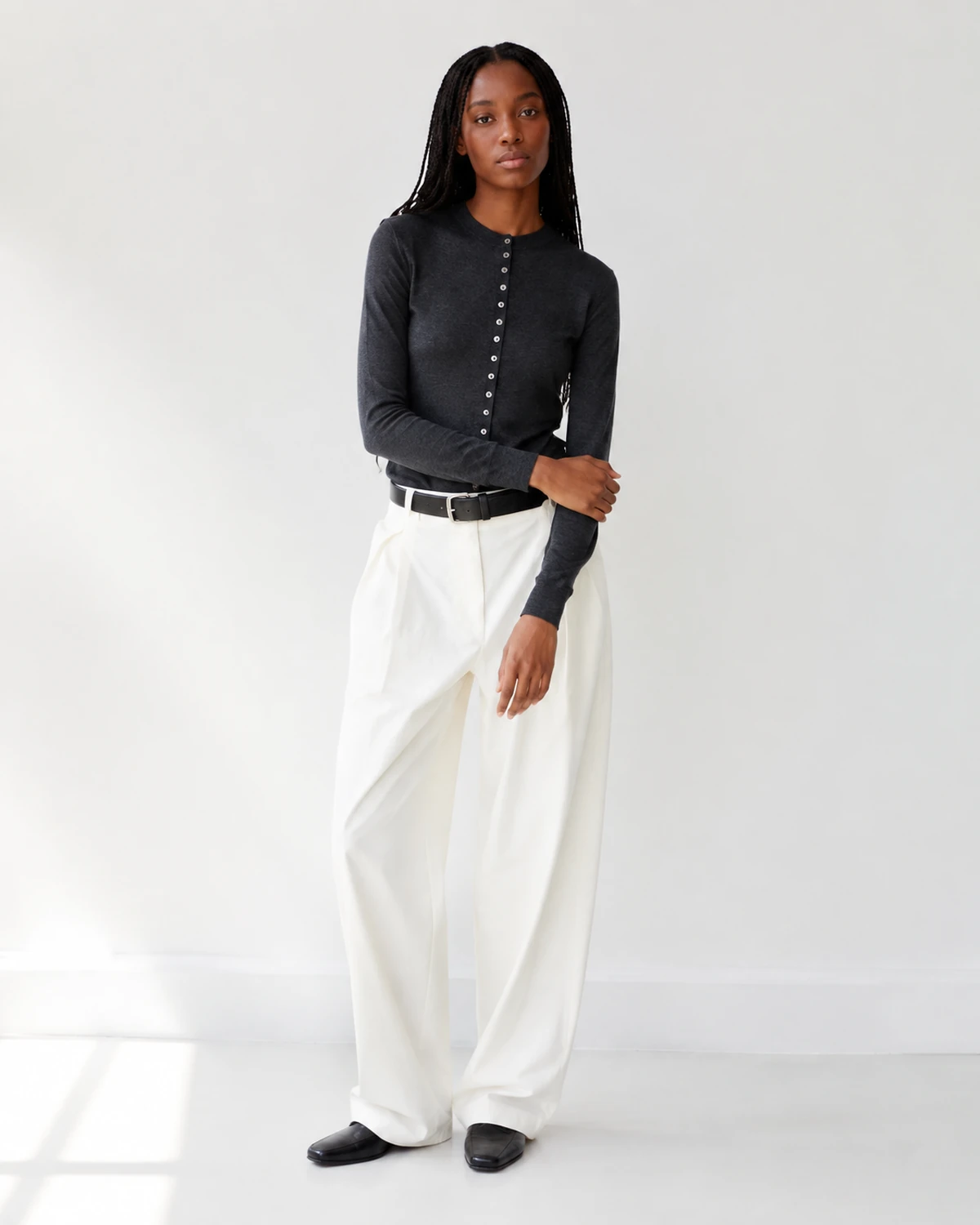
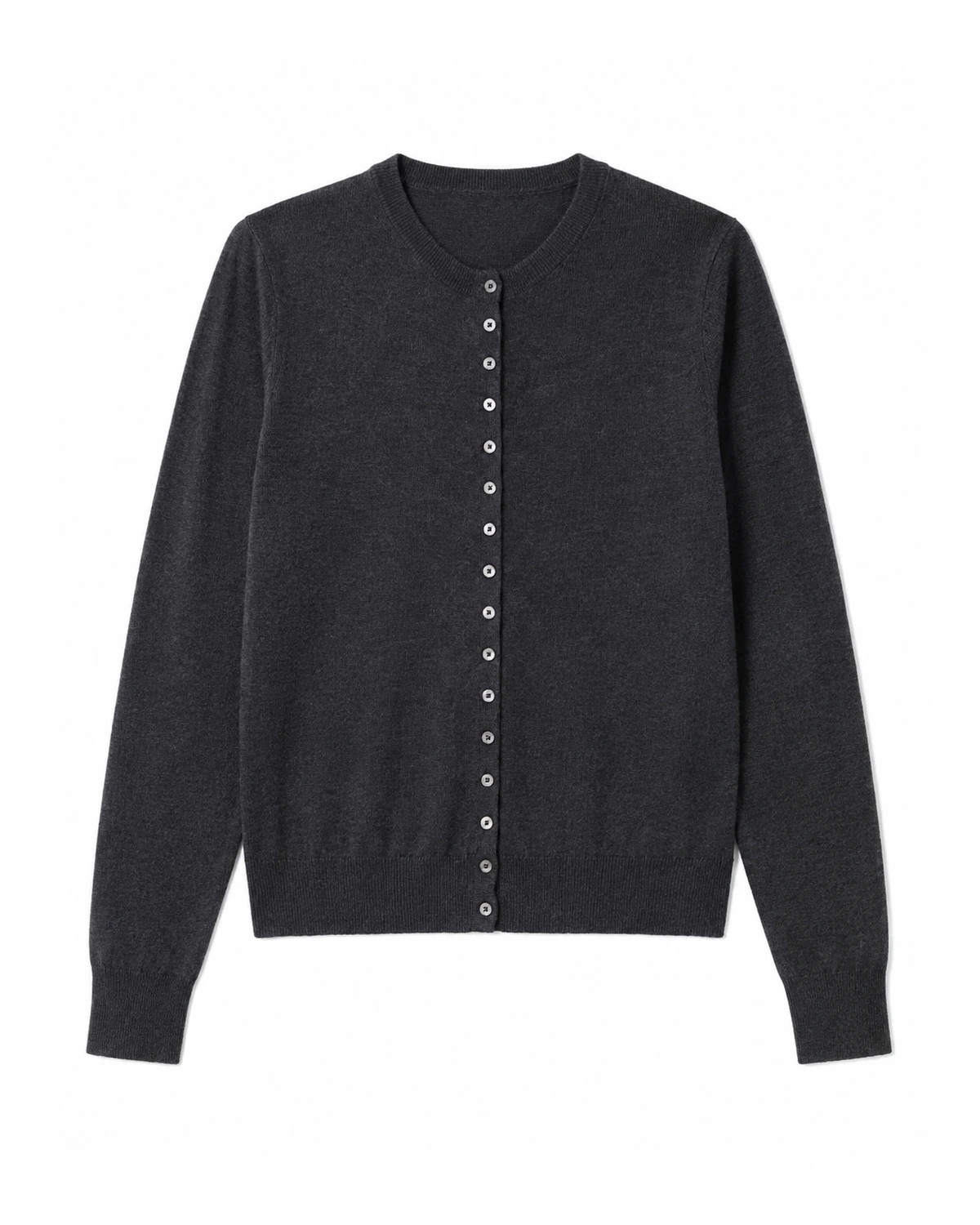
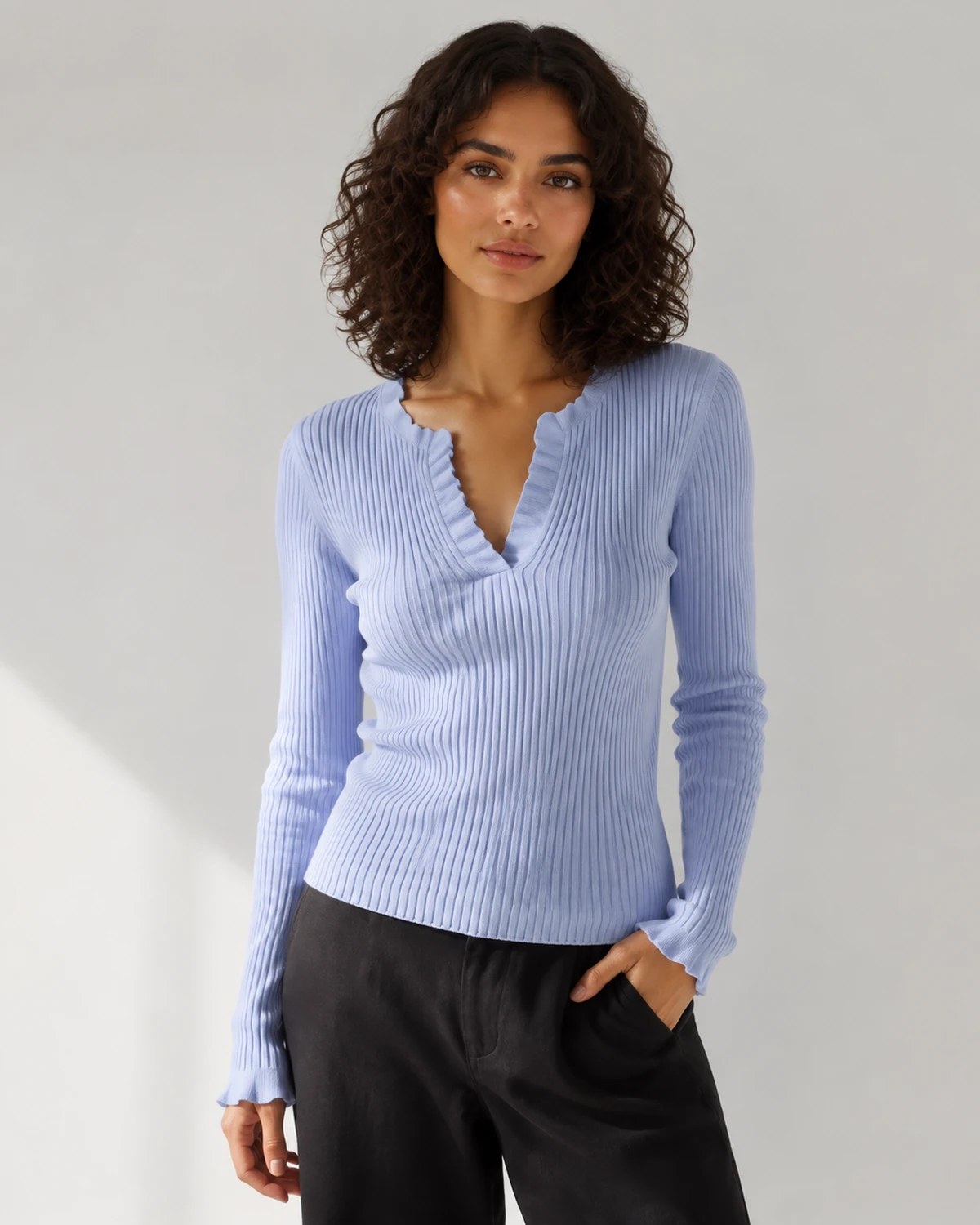
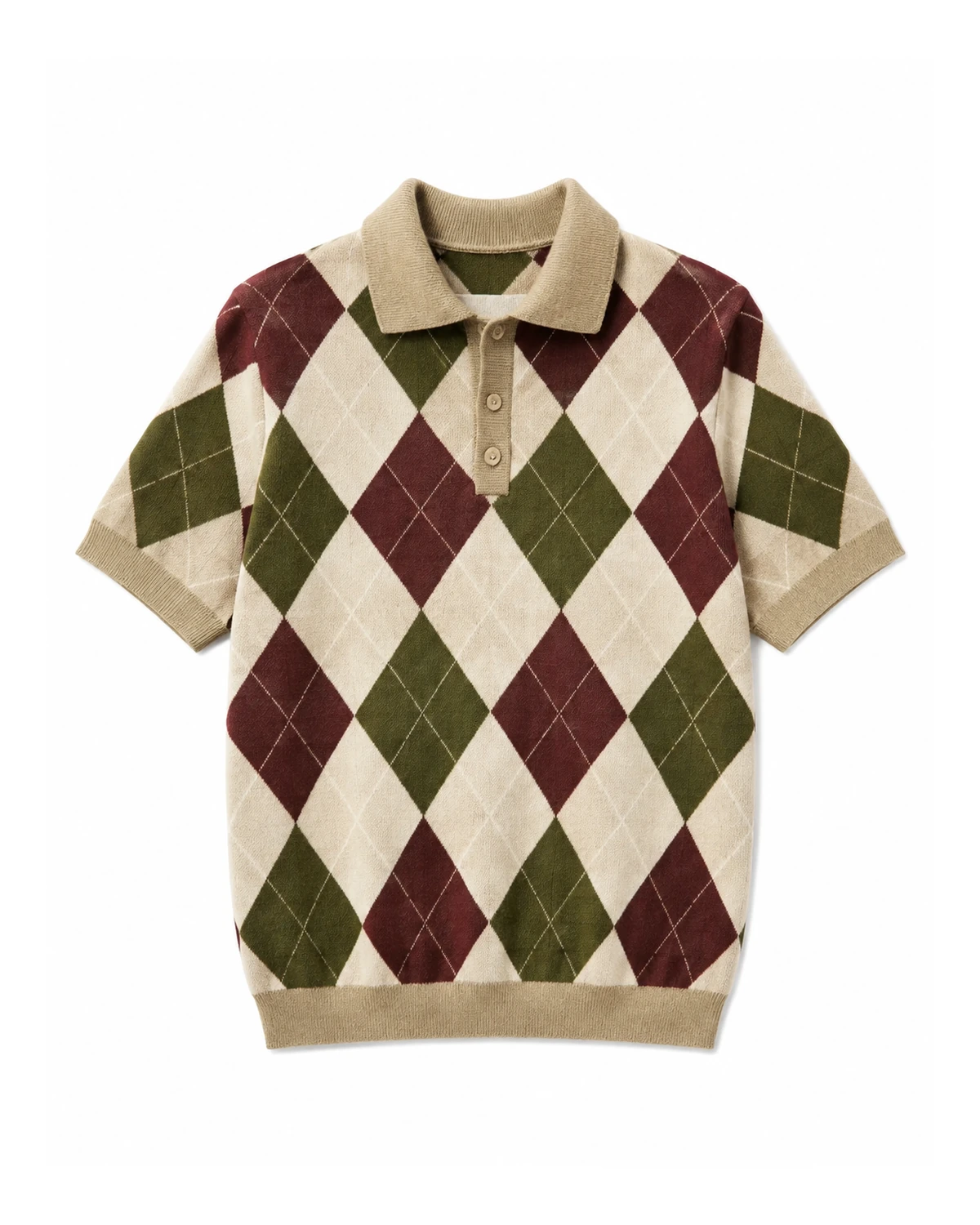
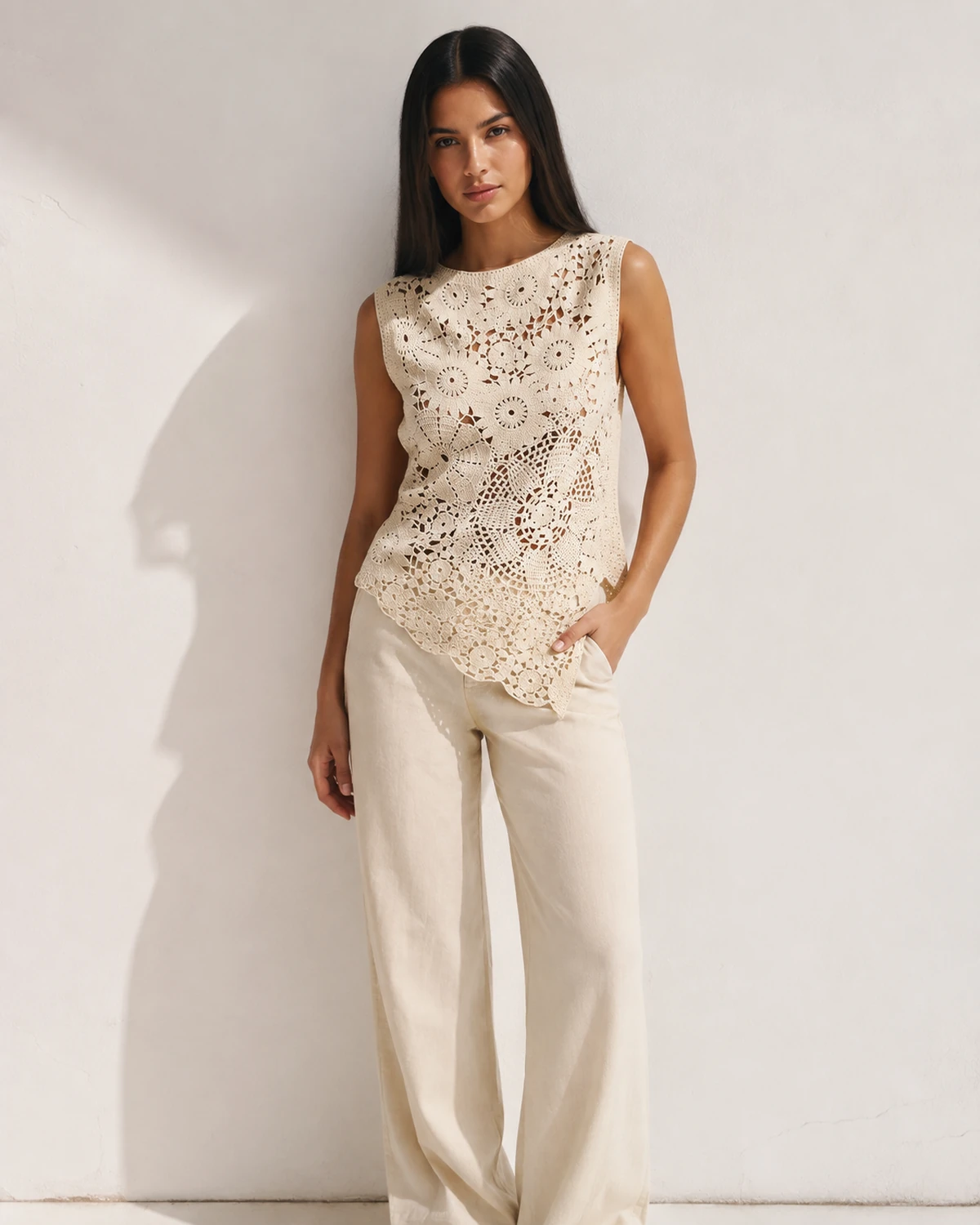
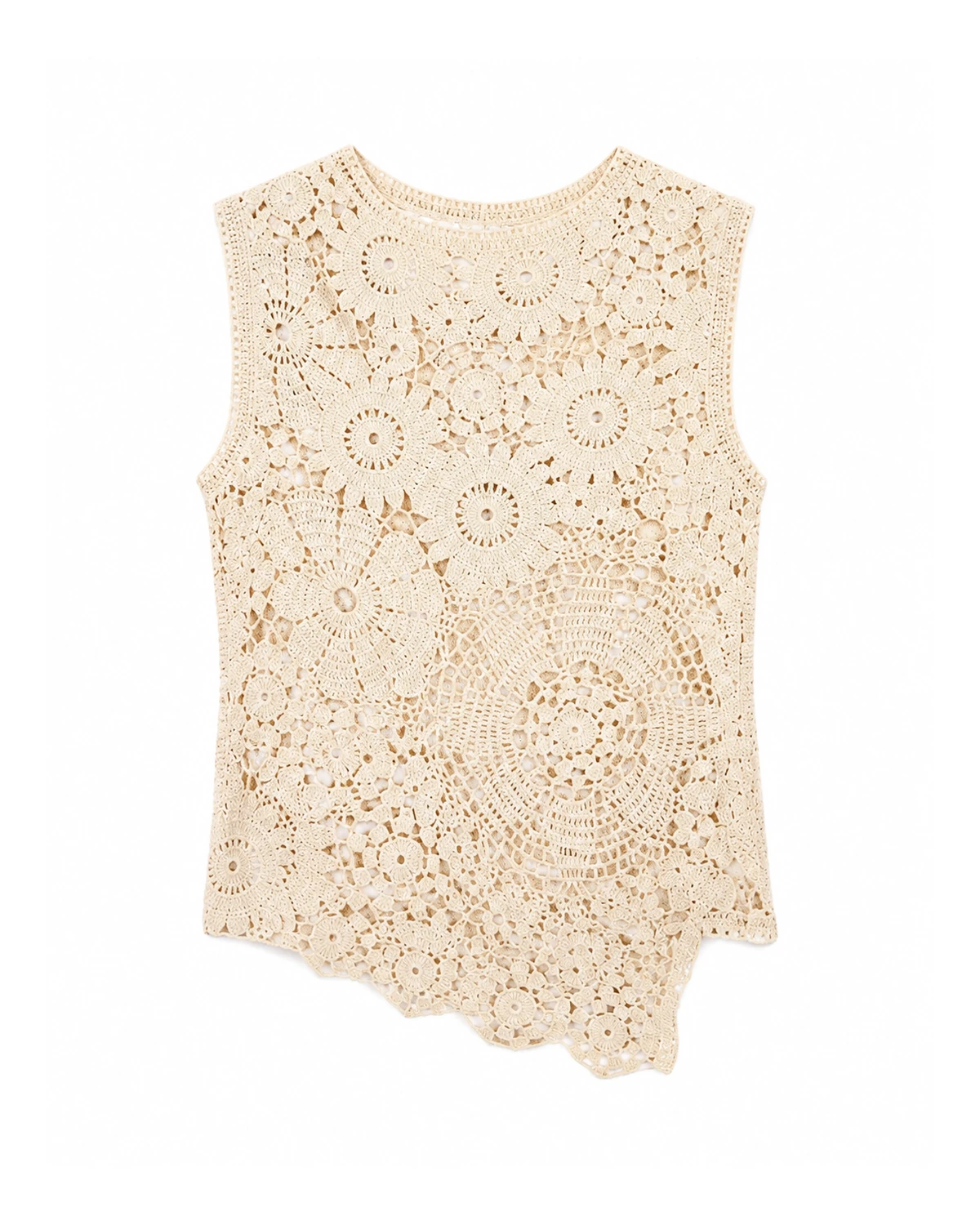
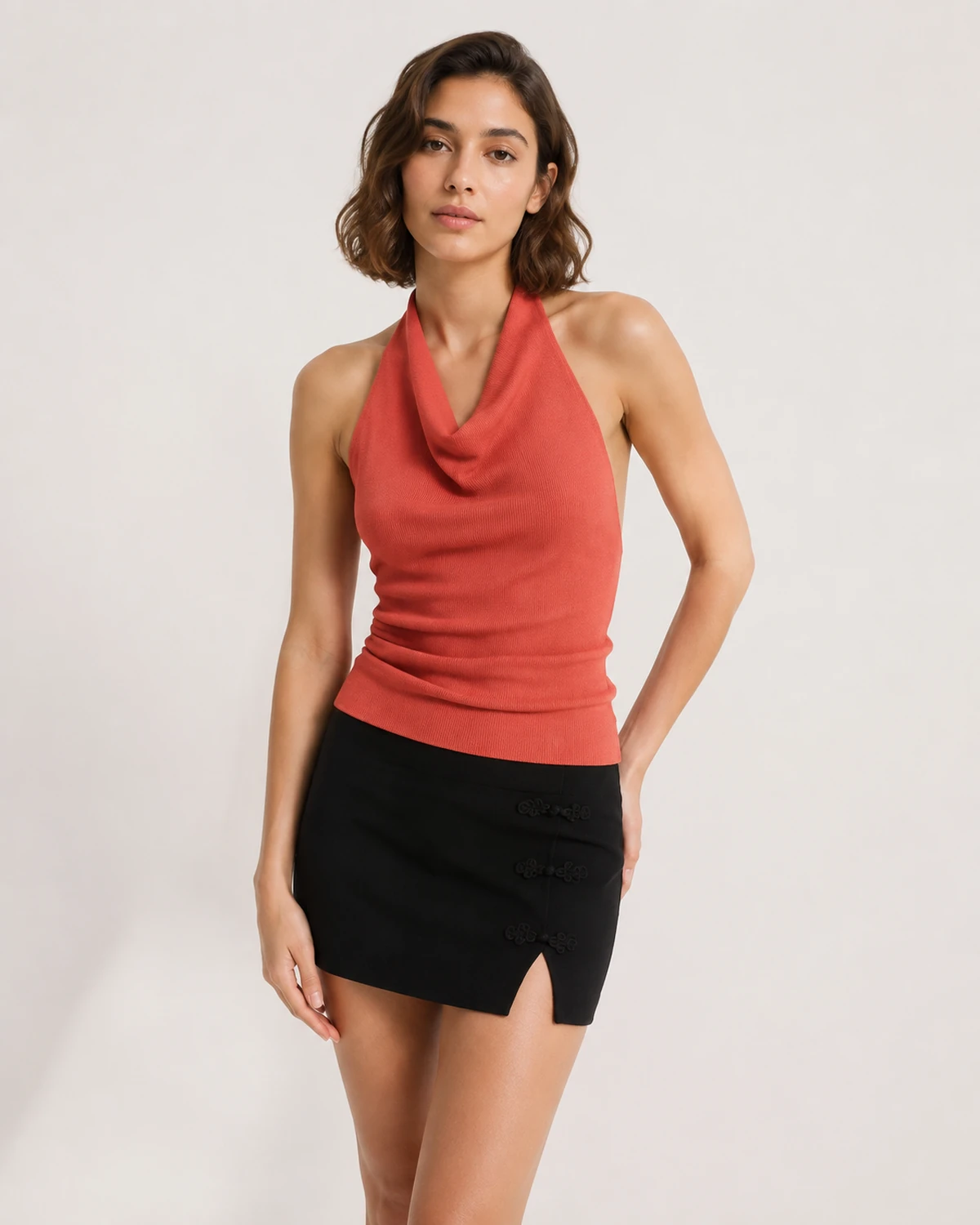
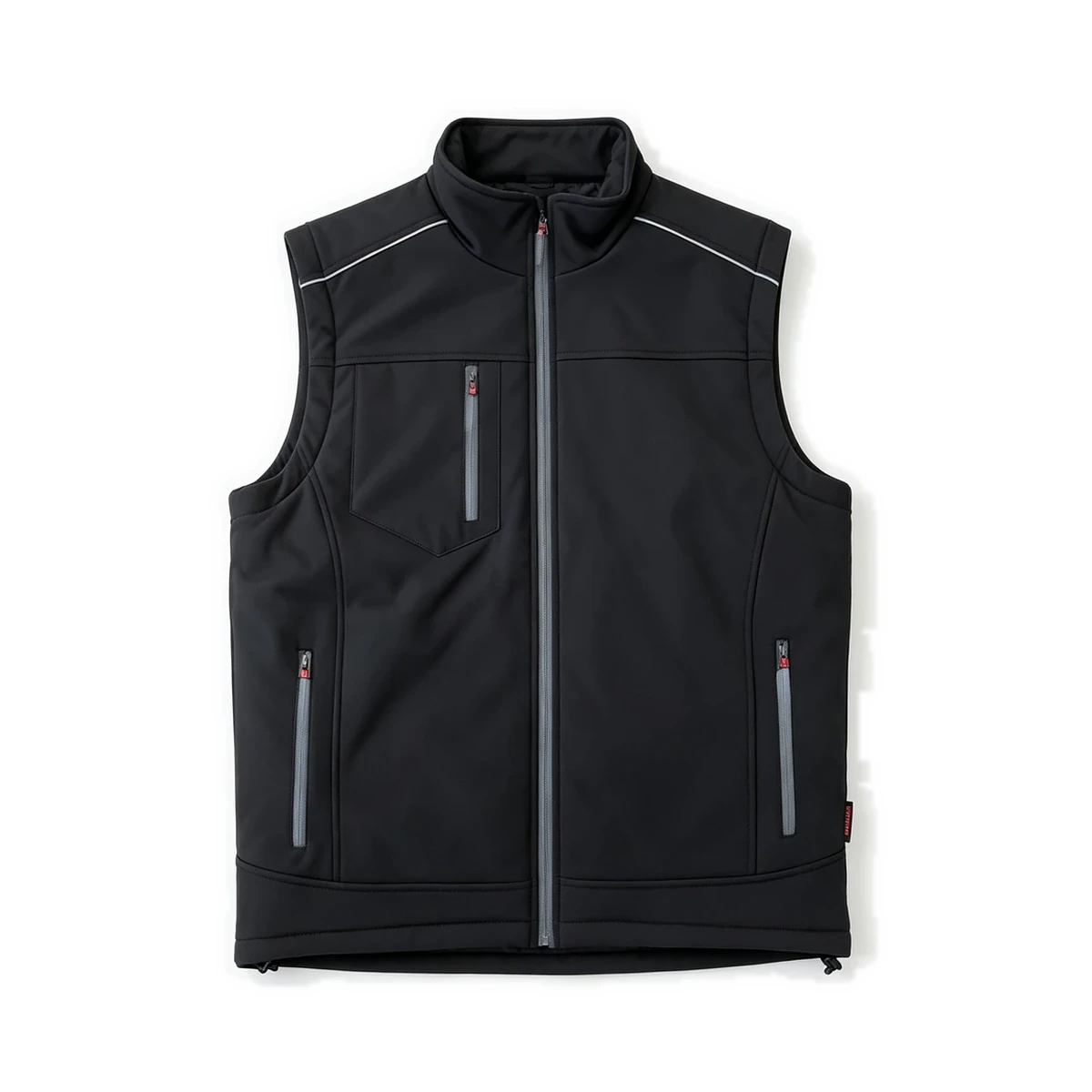
men outerwear
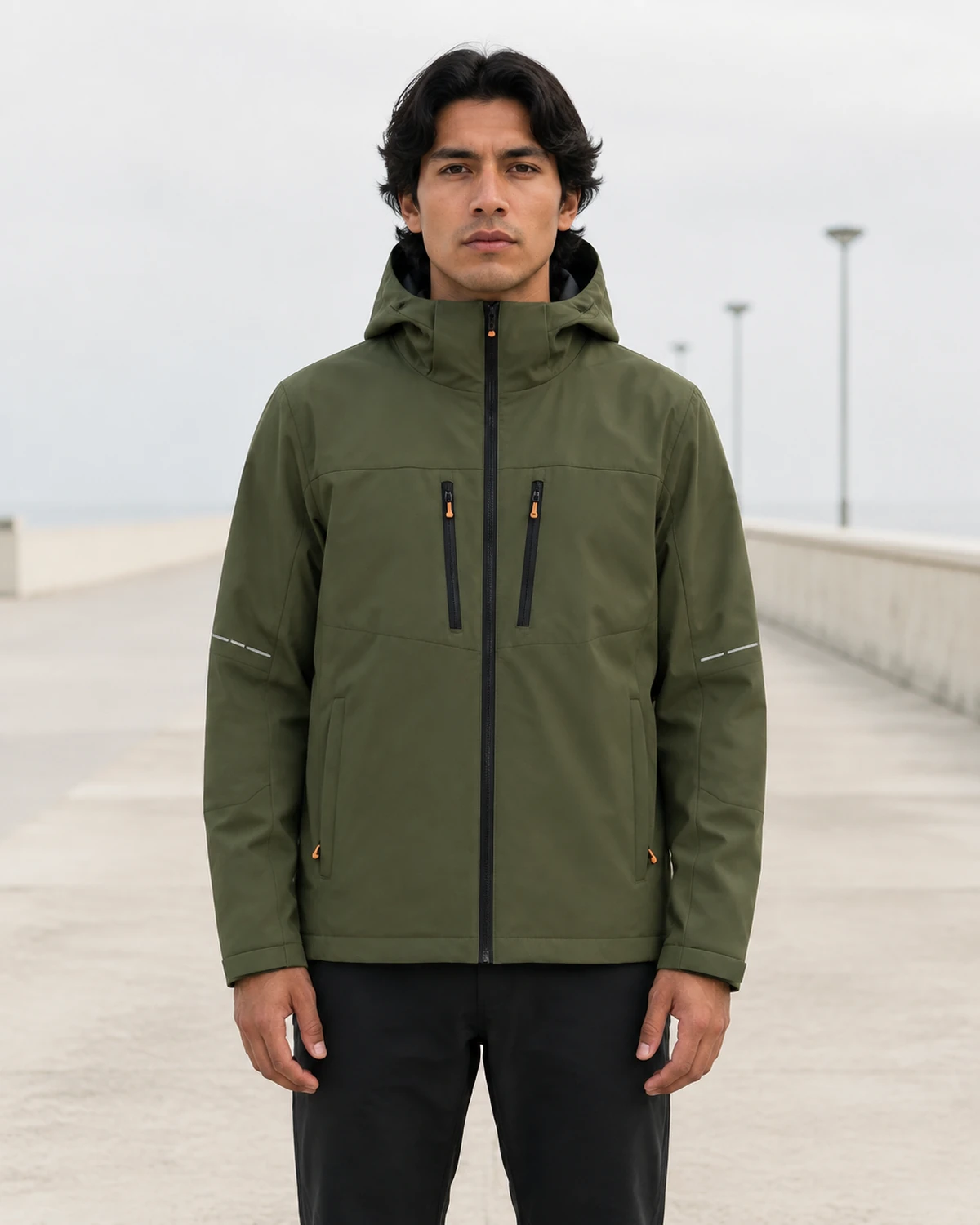
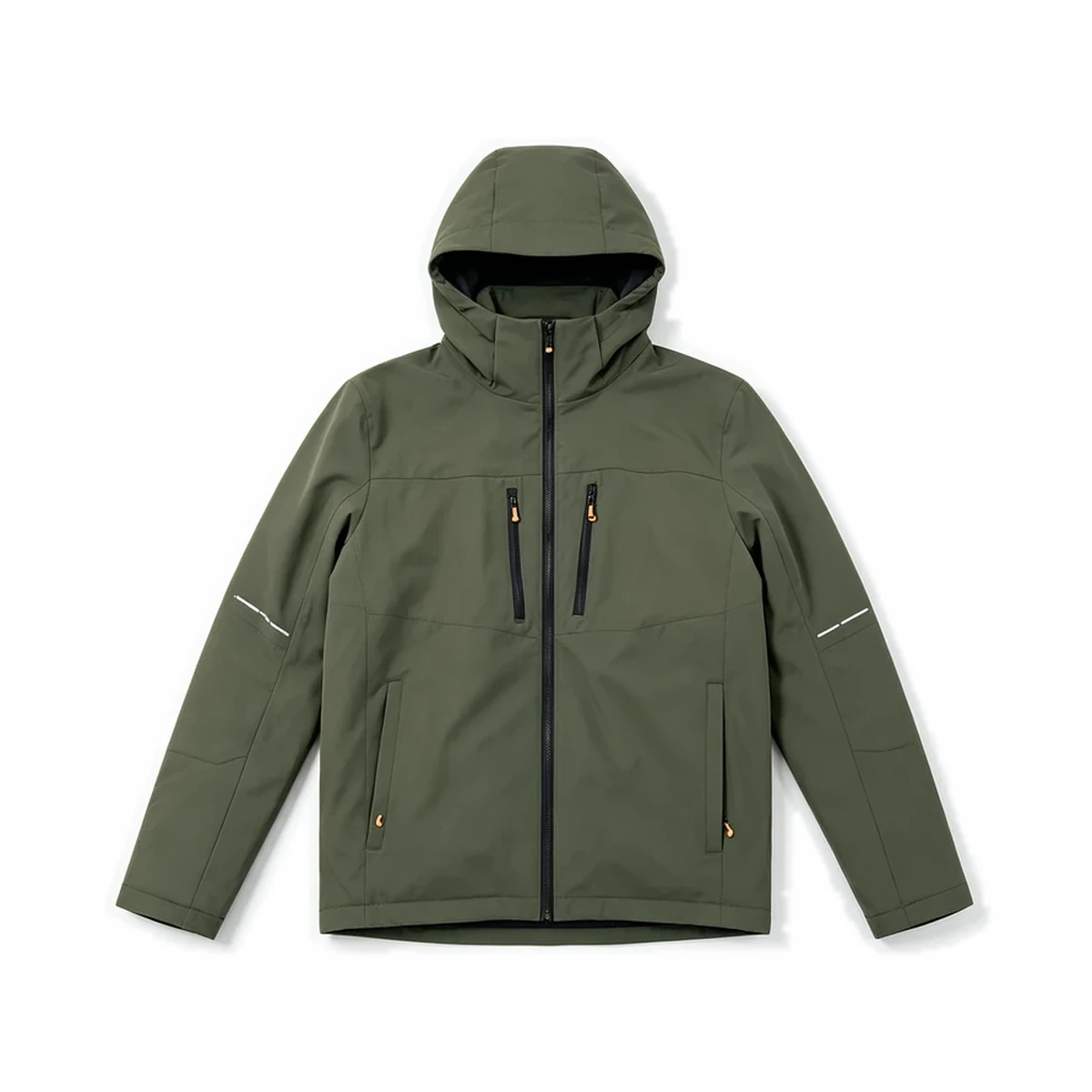
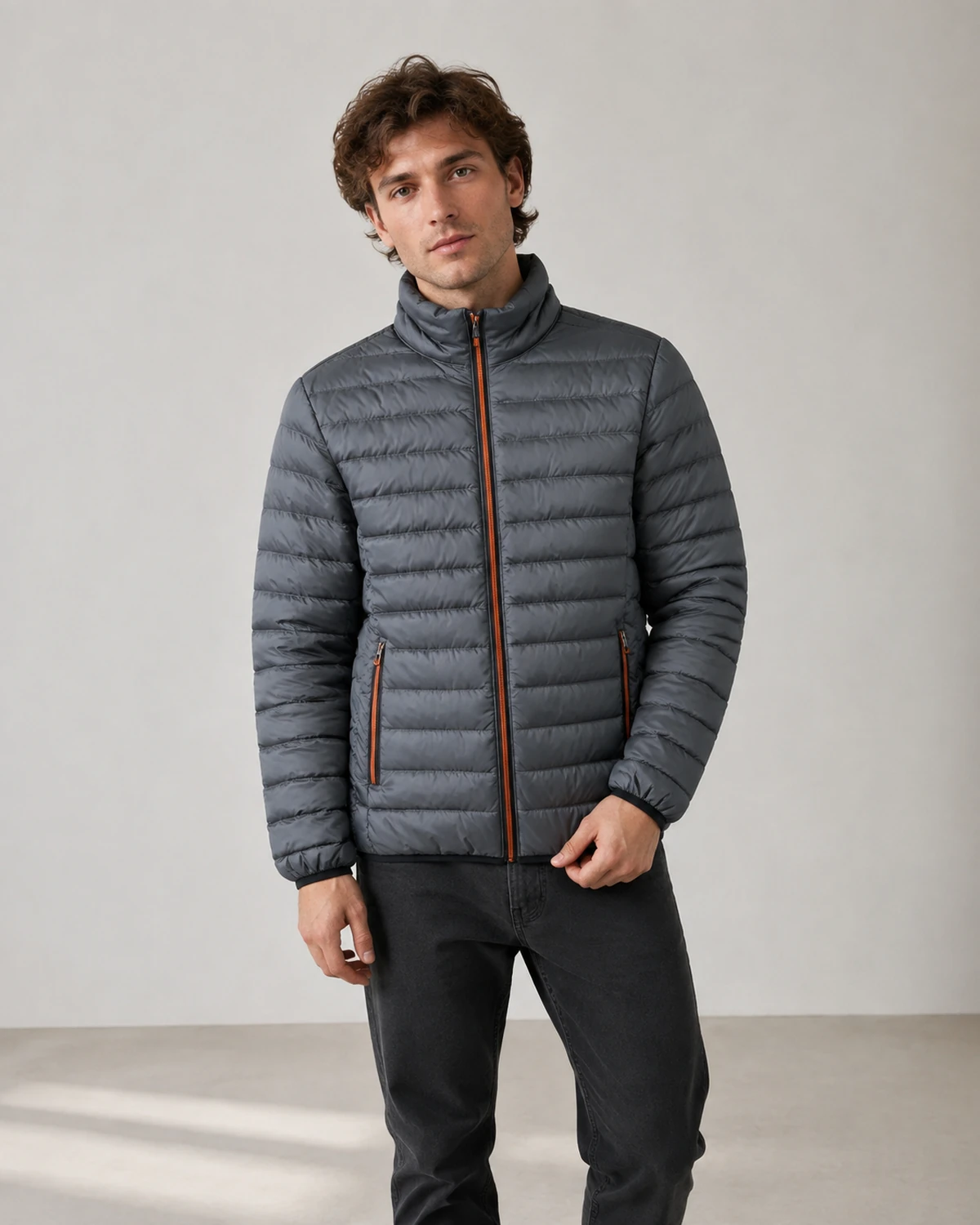
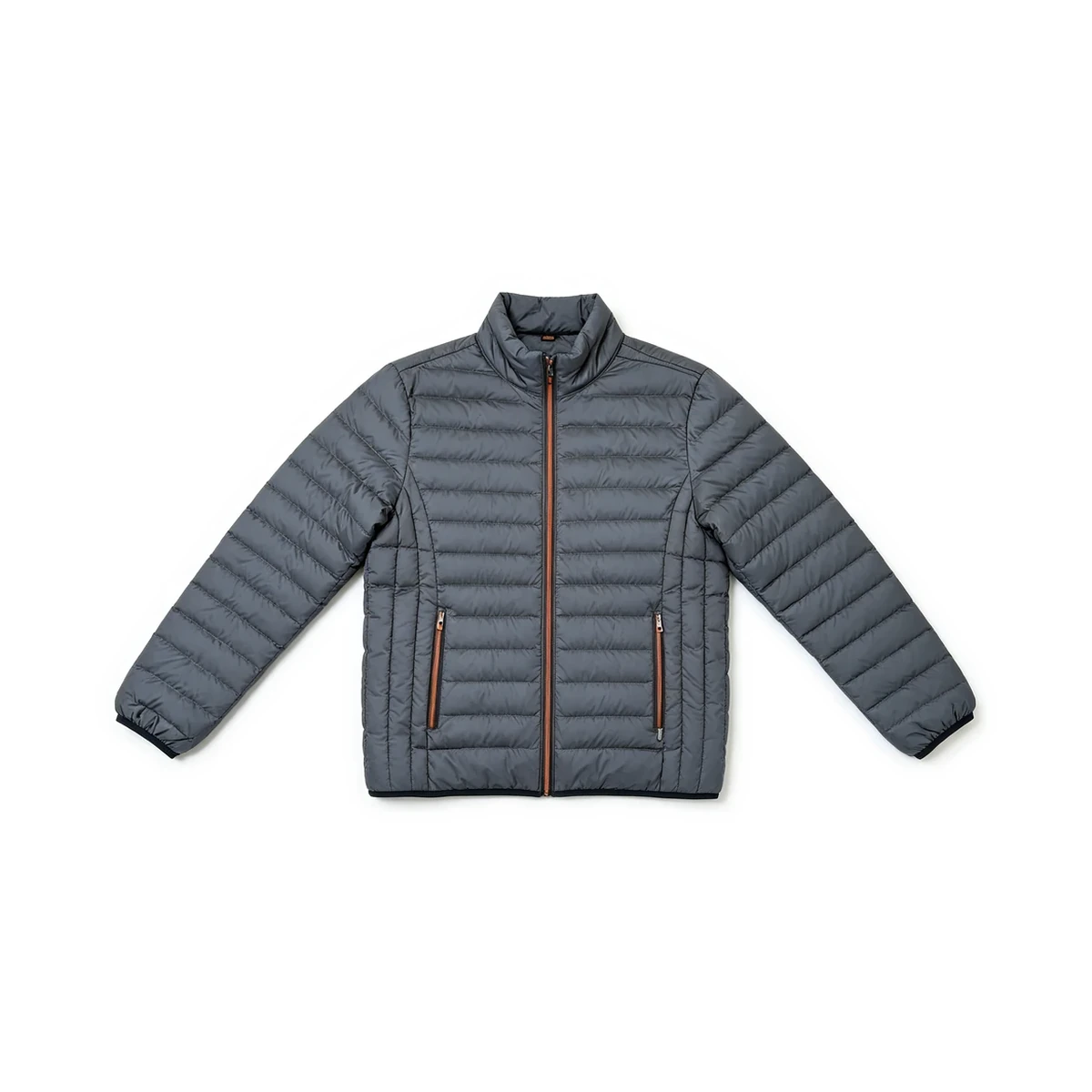
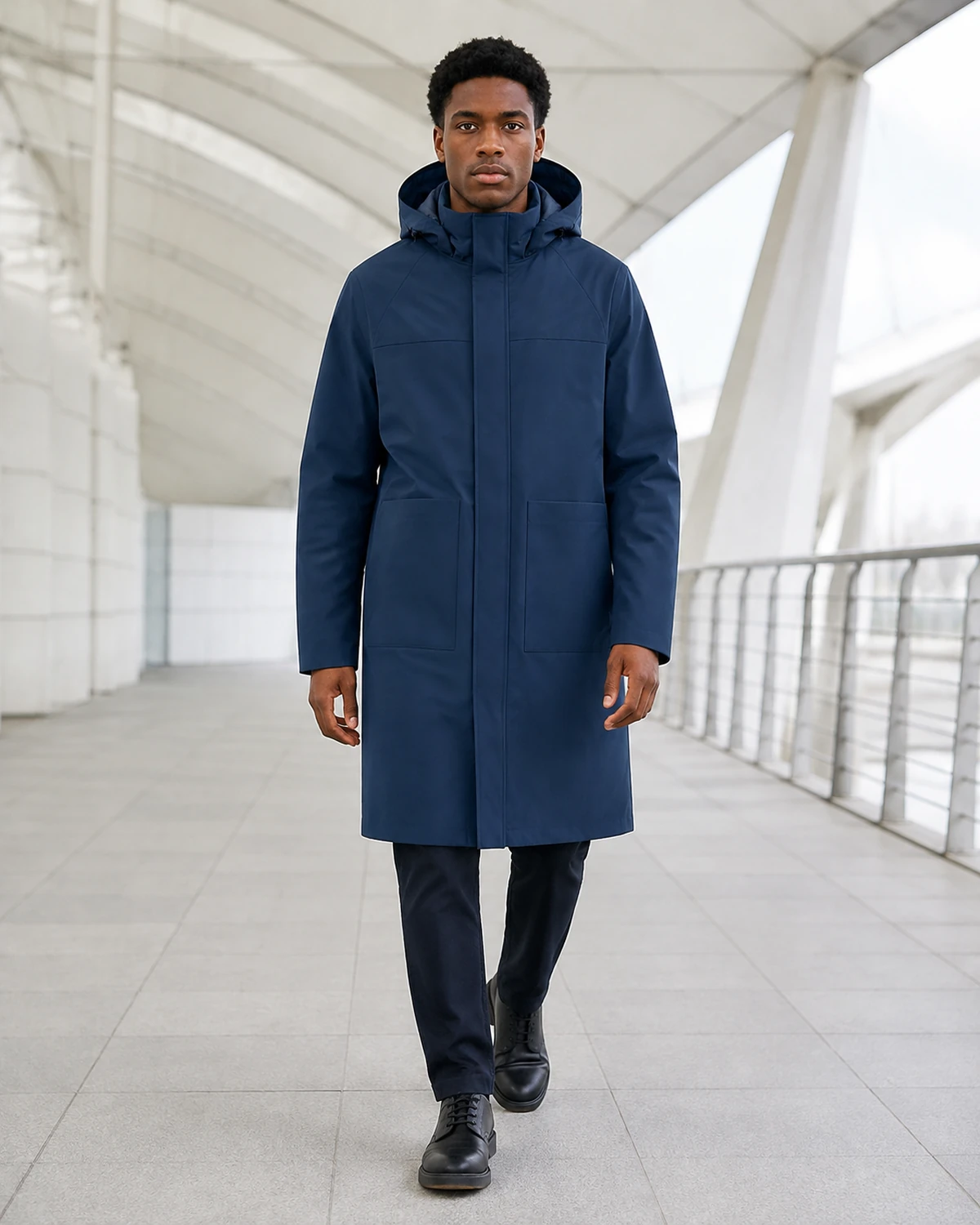
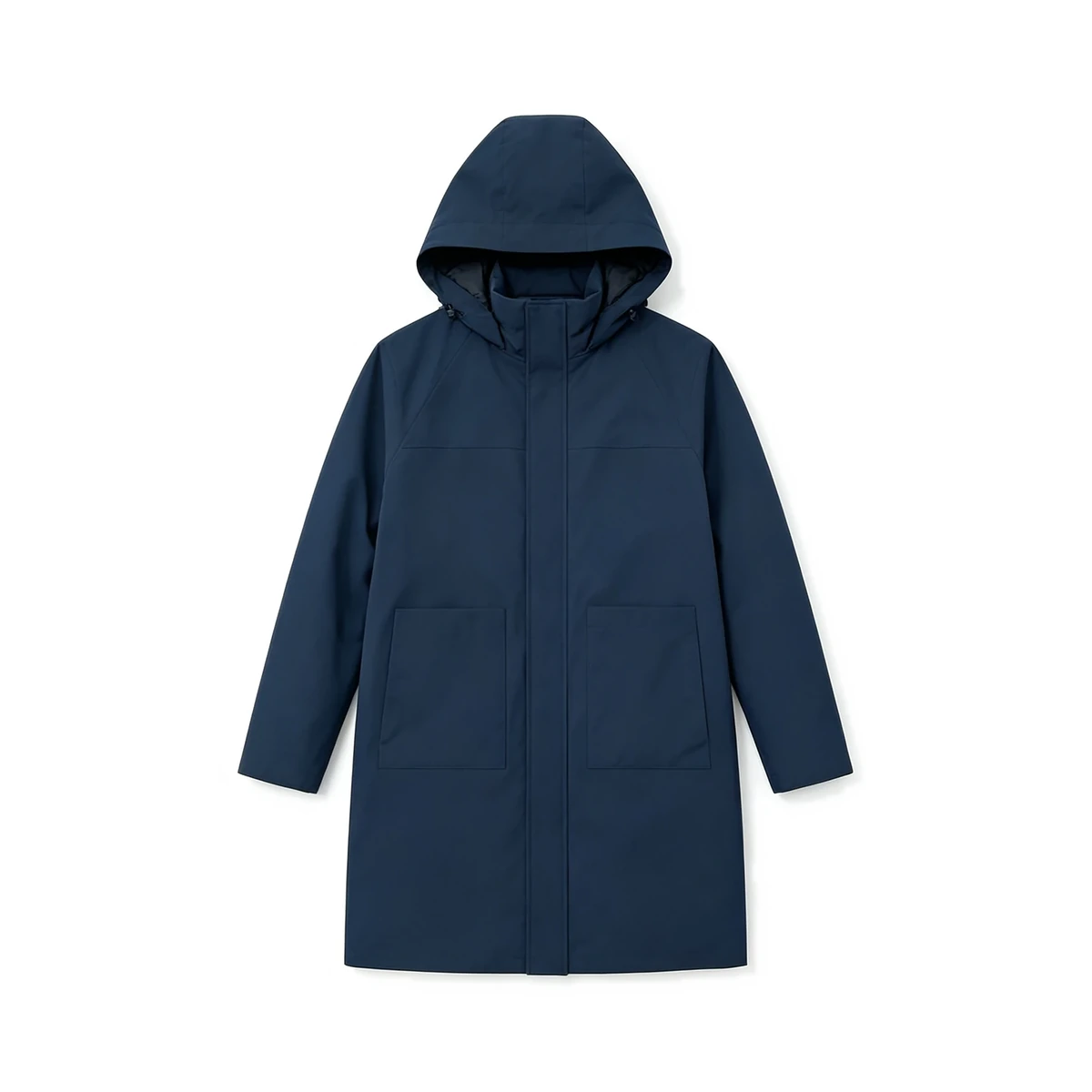
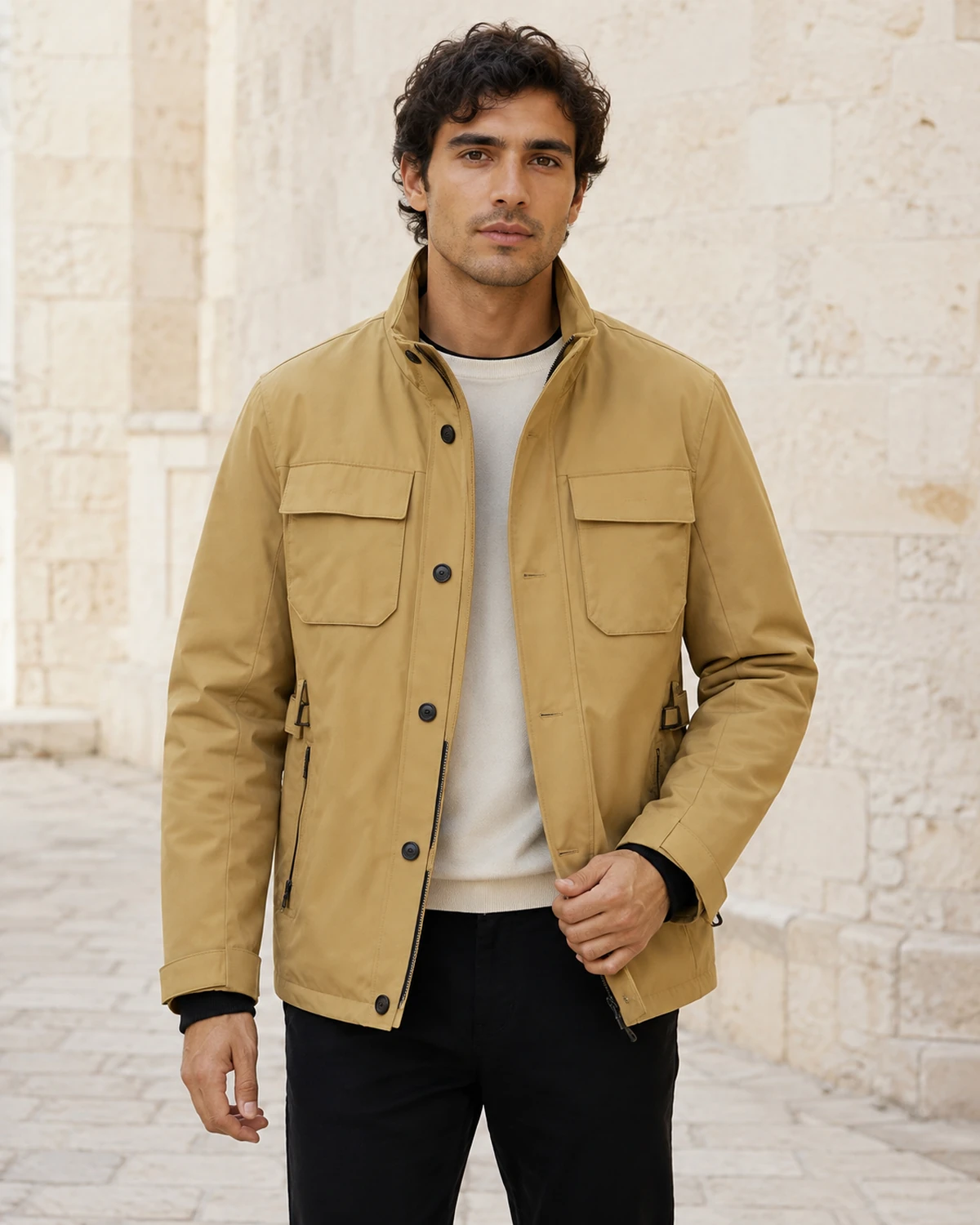
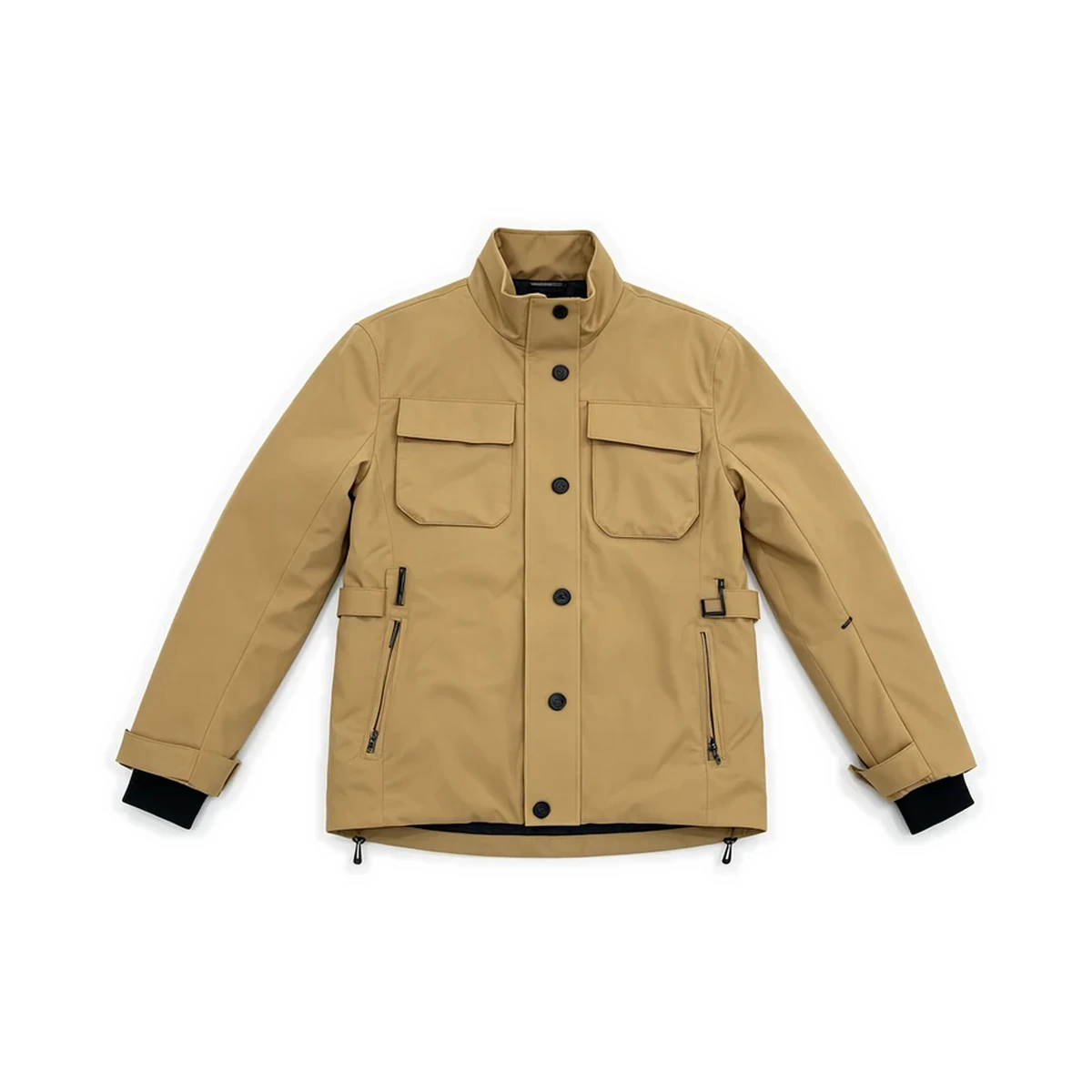
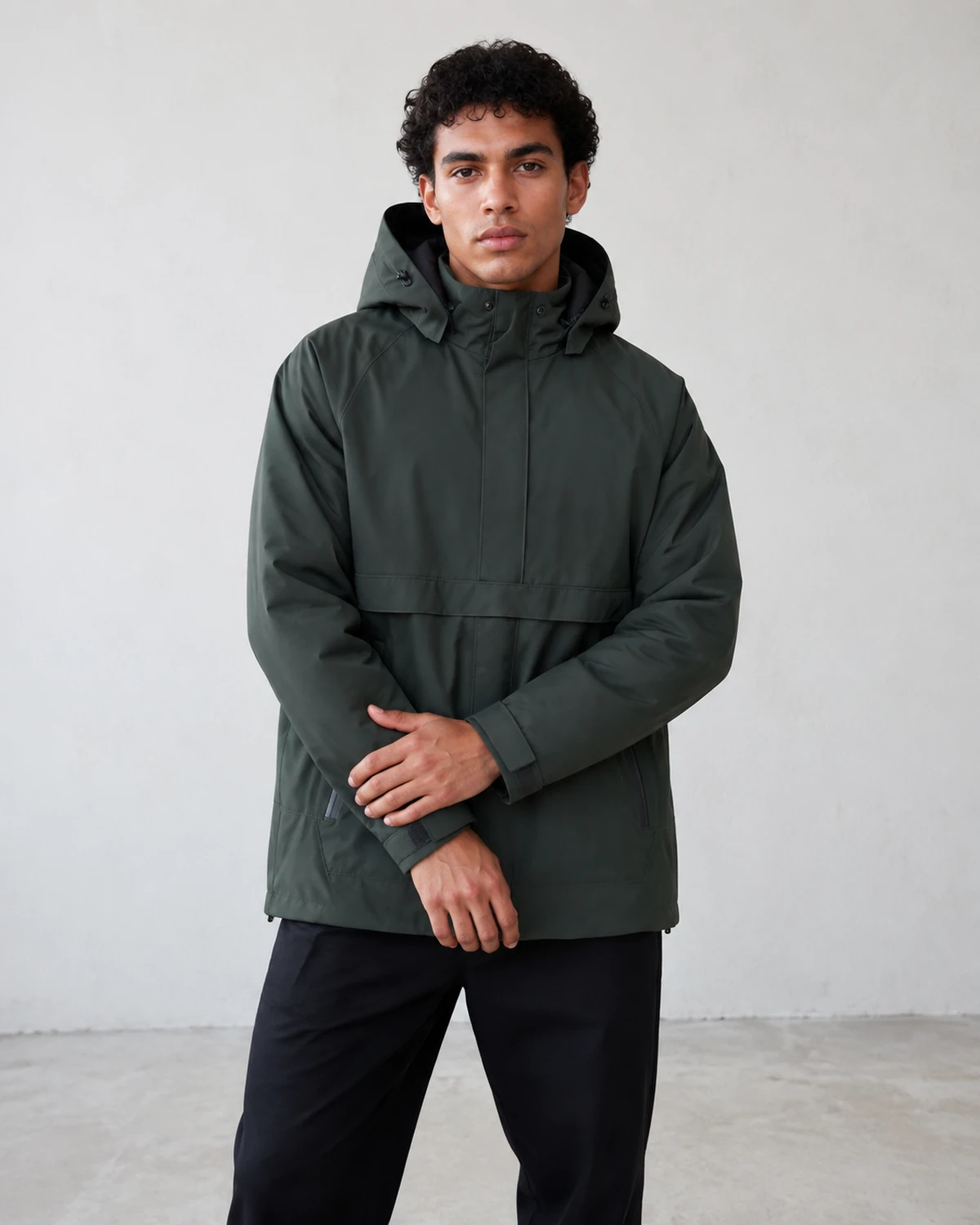
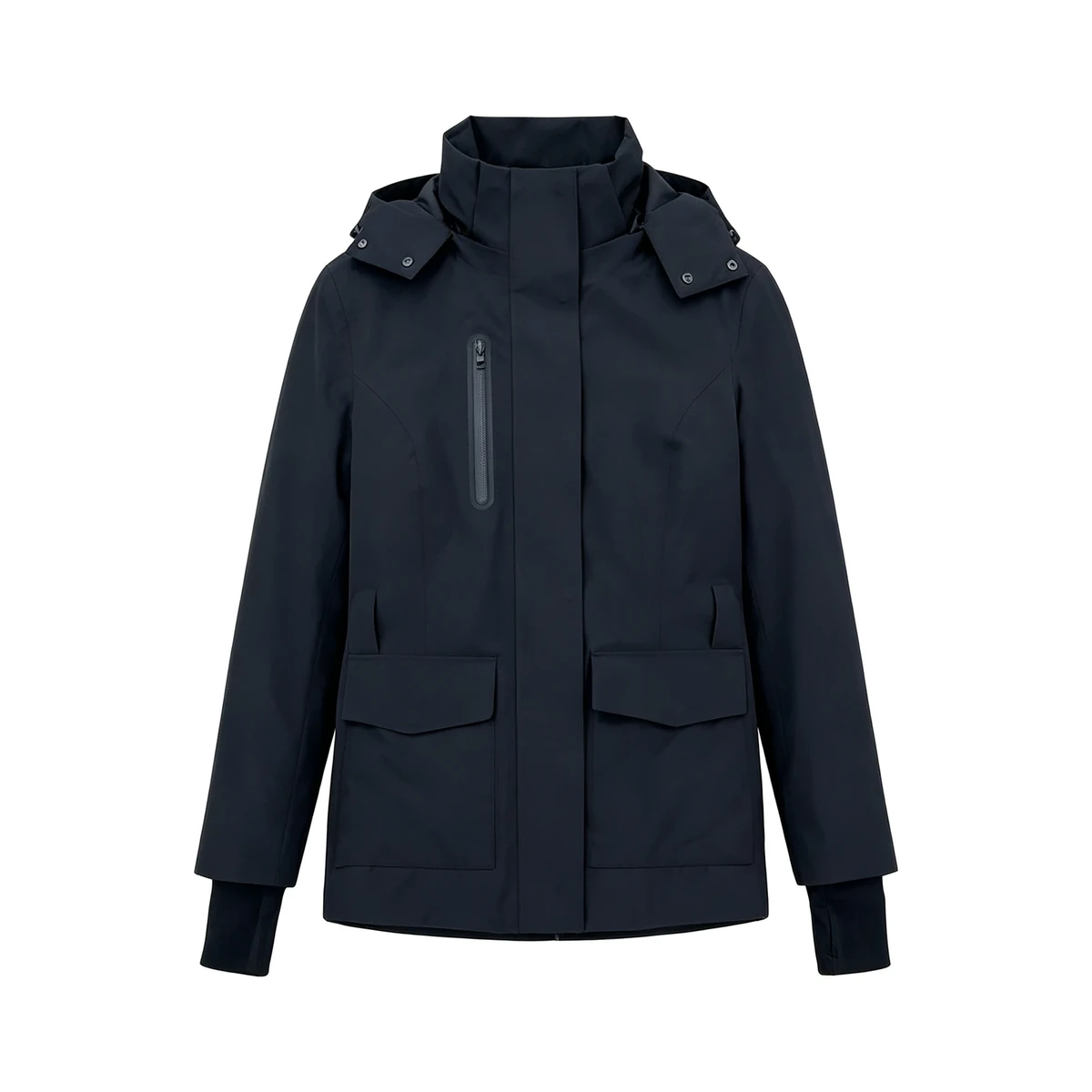
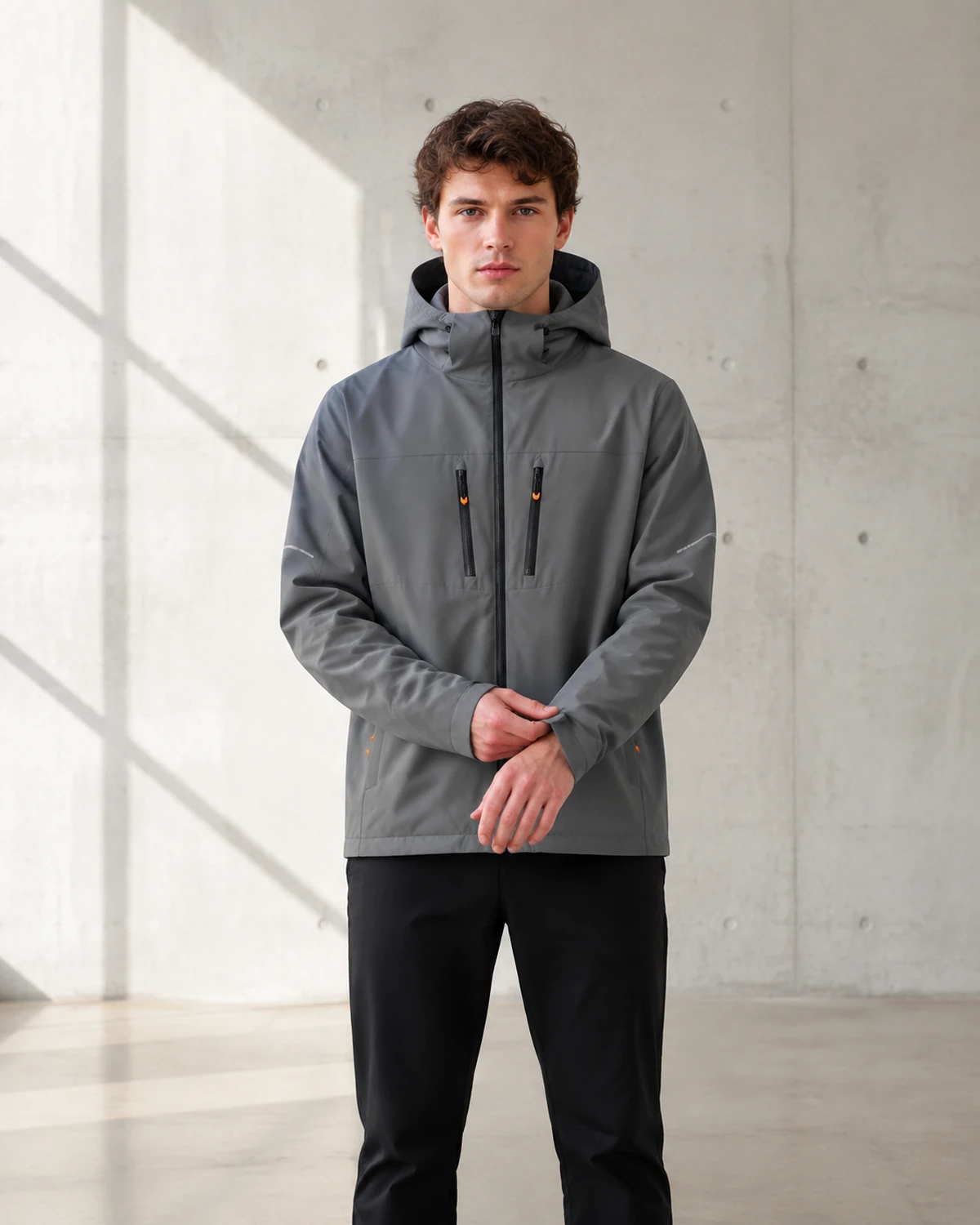
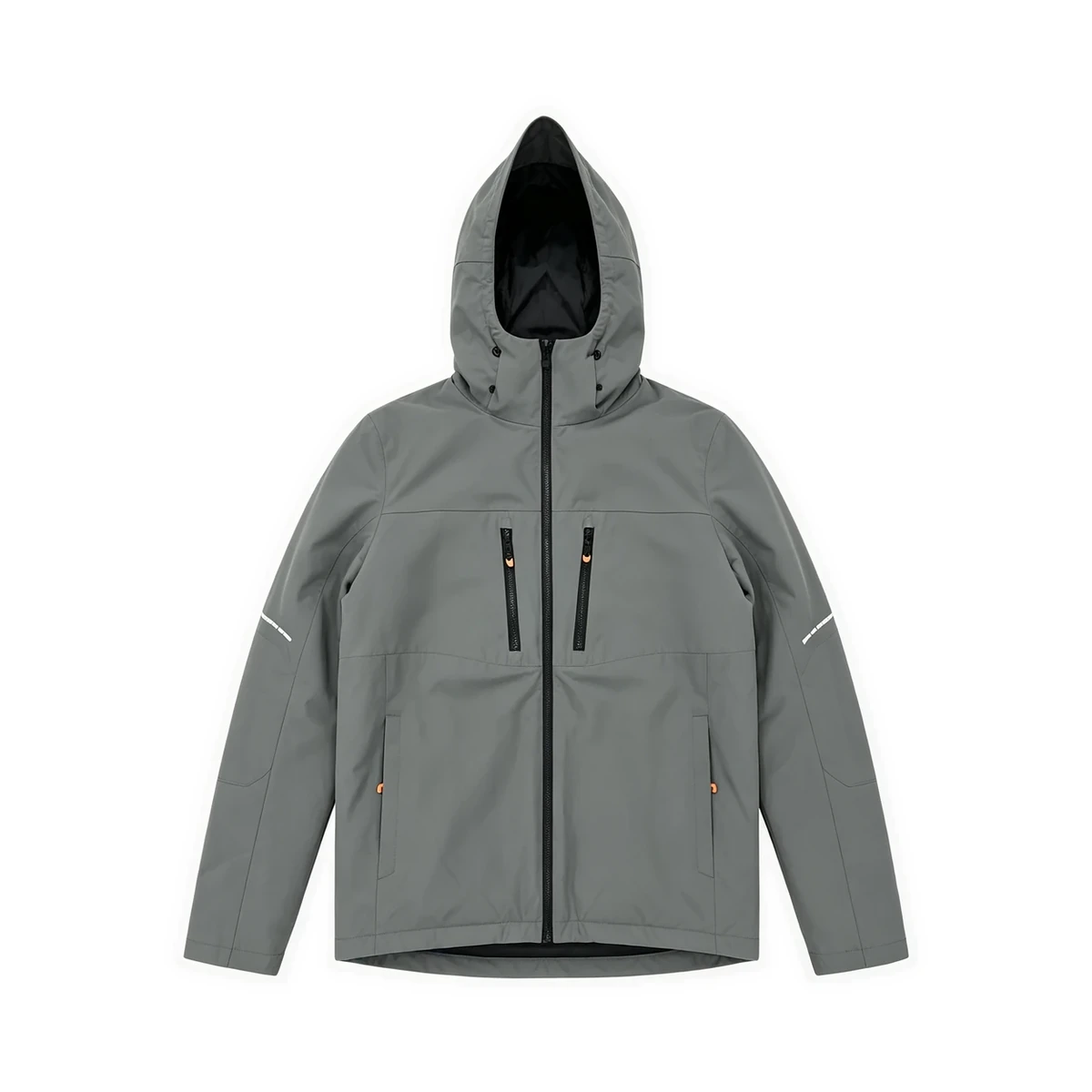
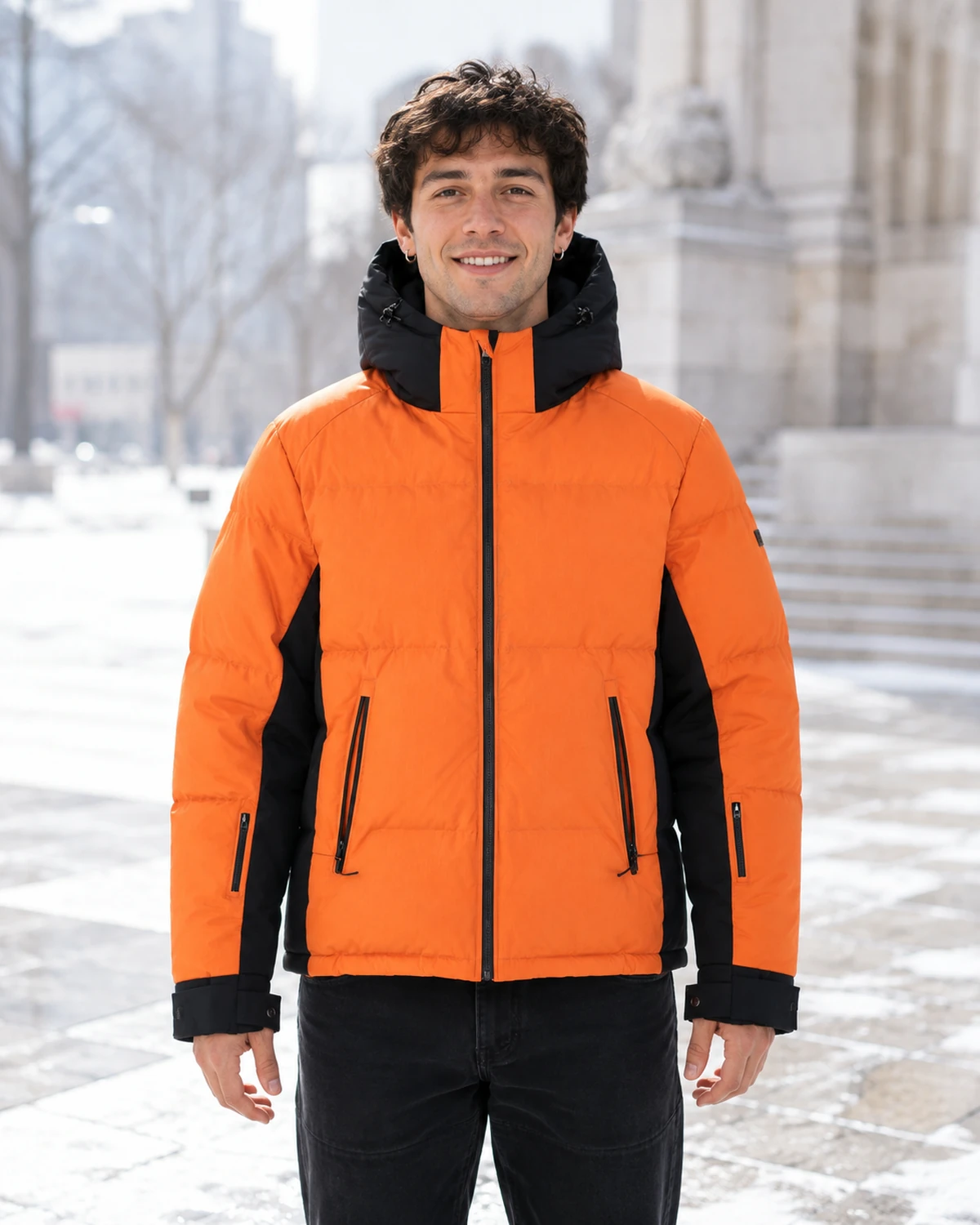
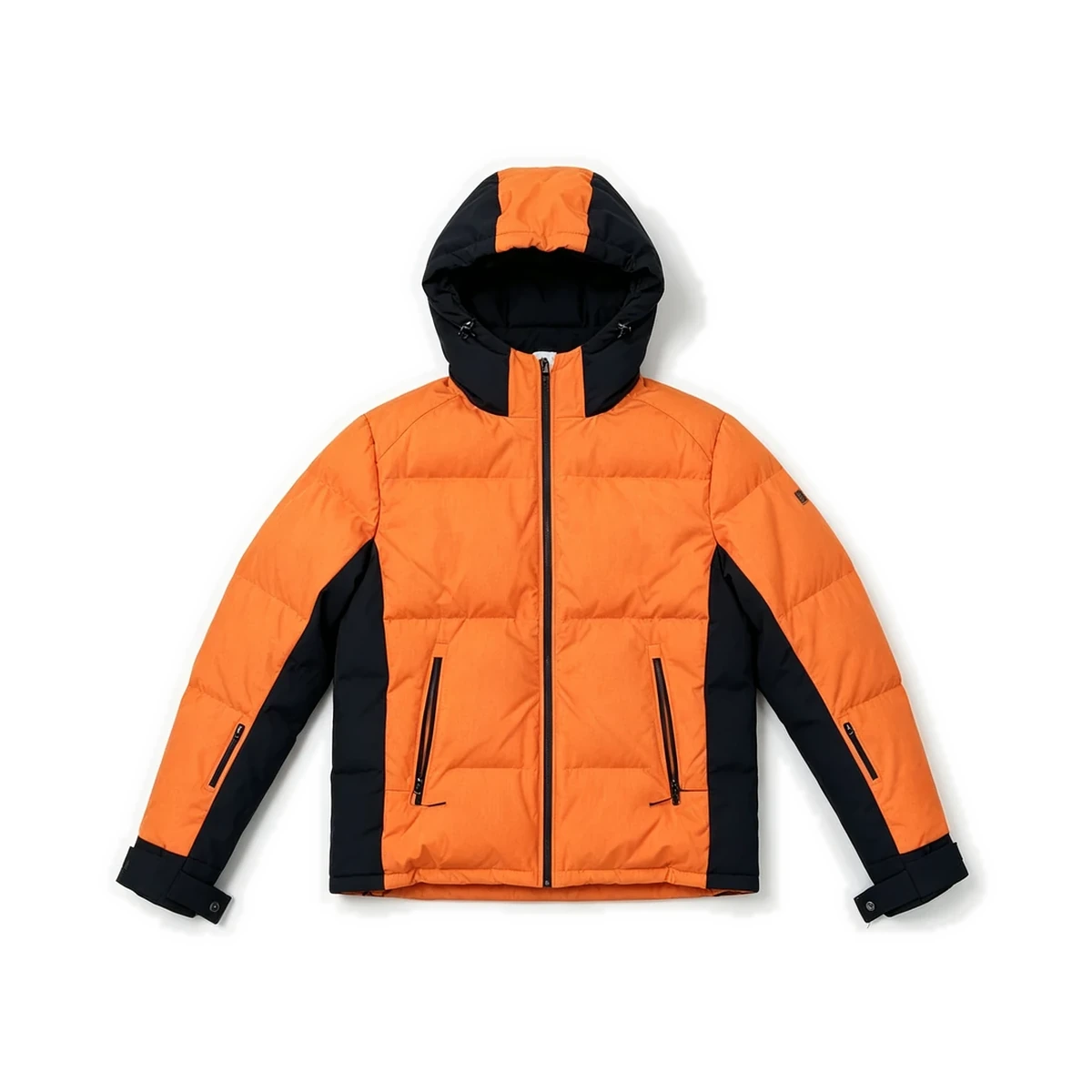
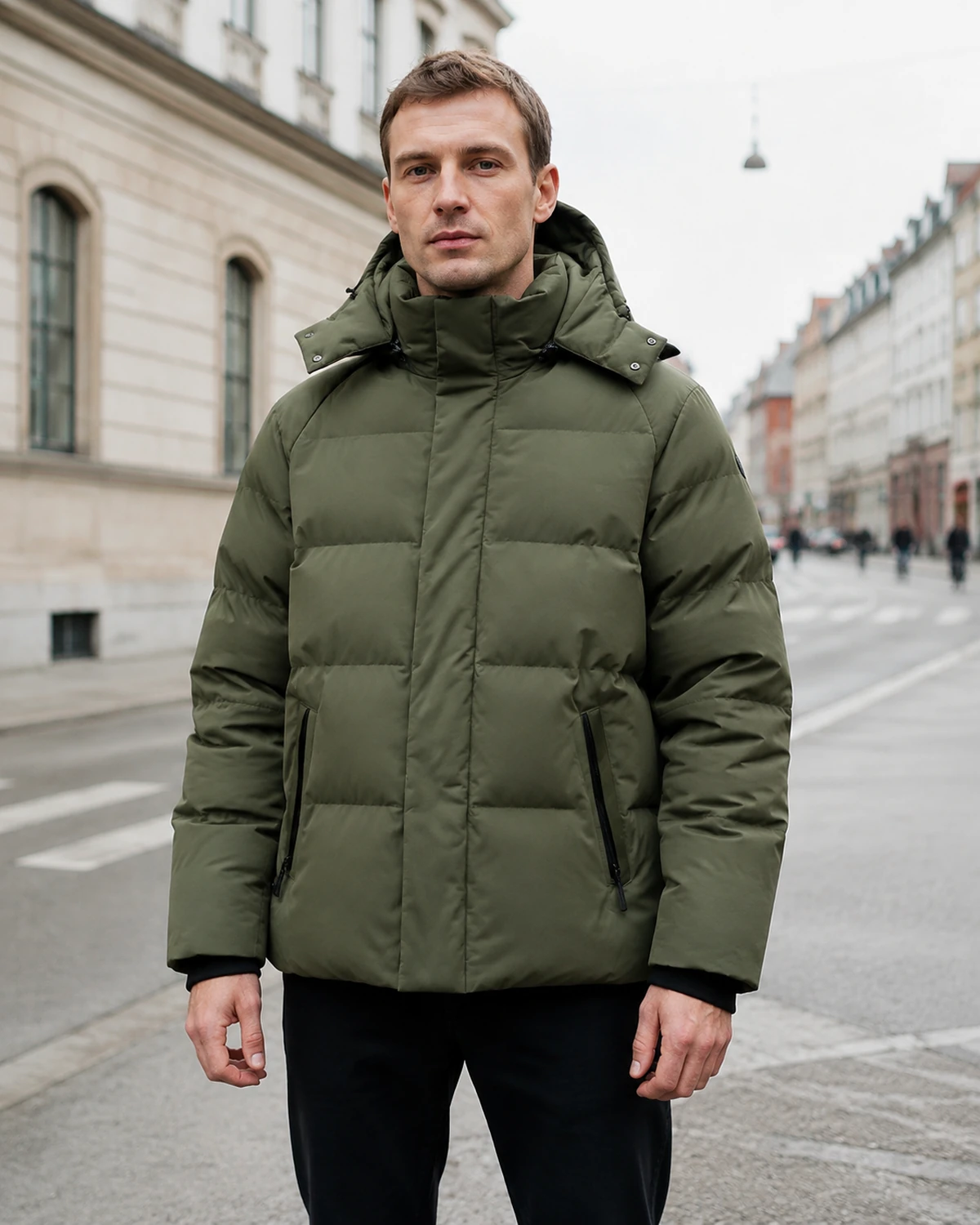
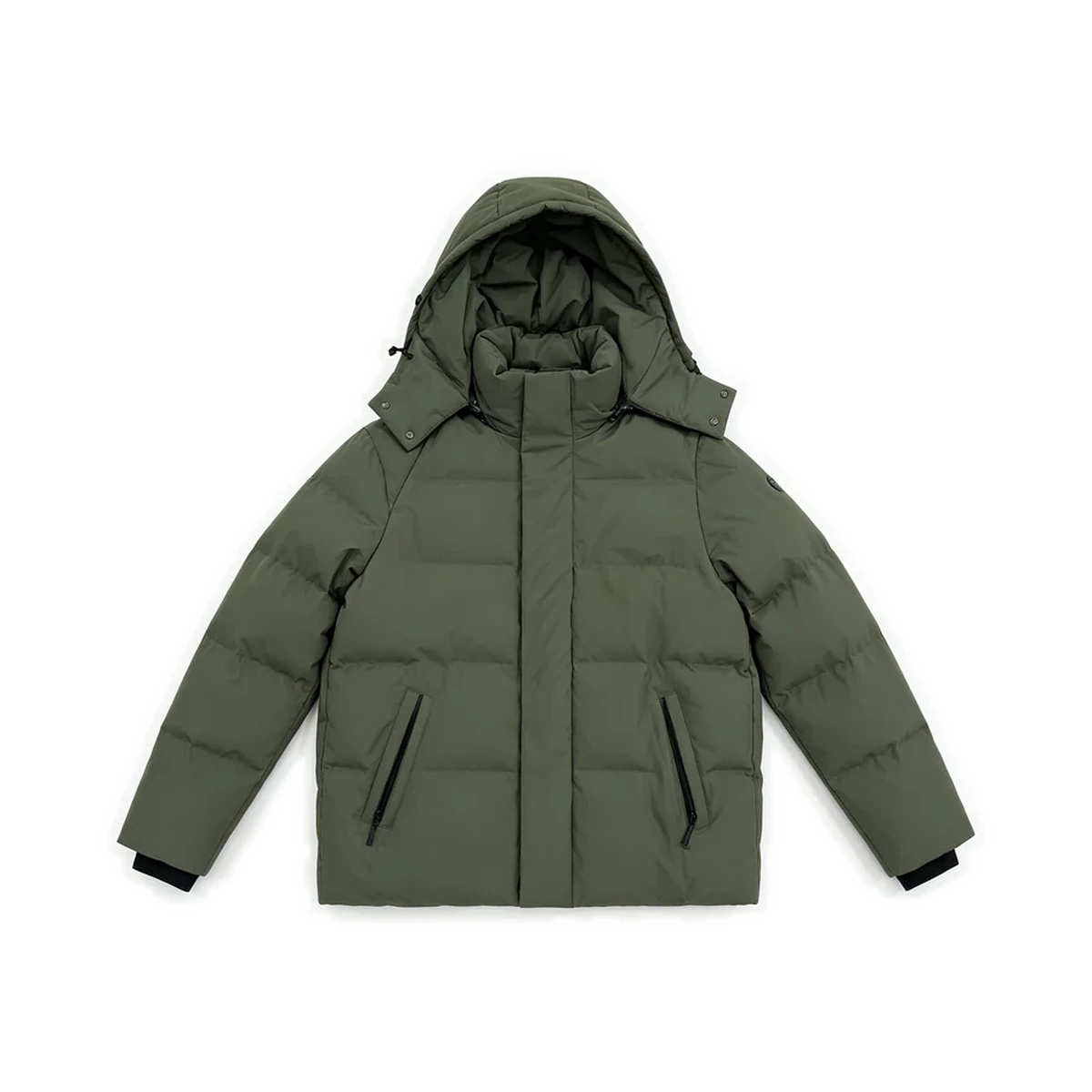
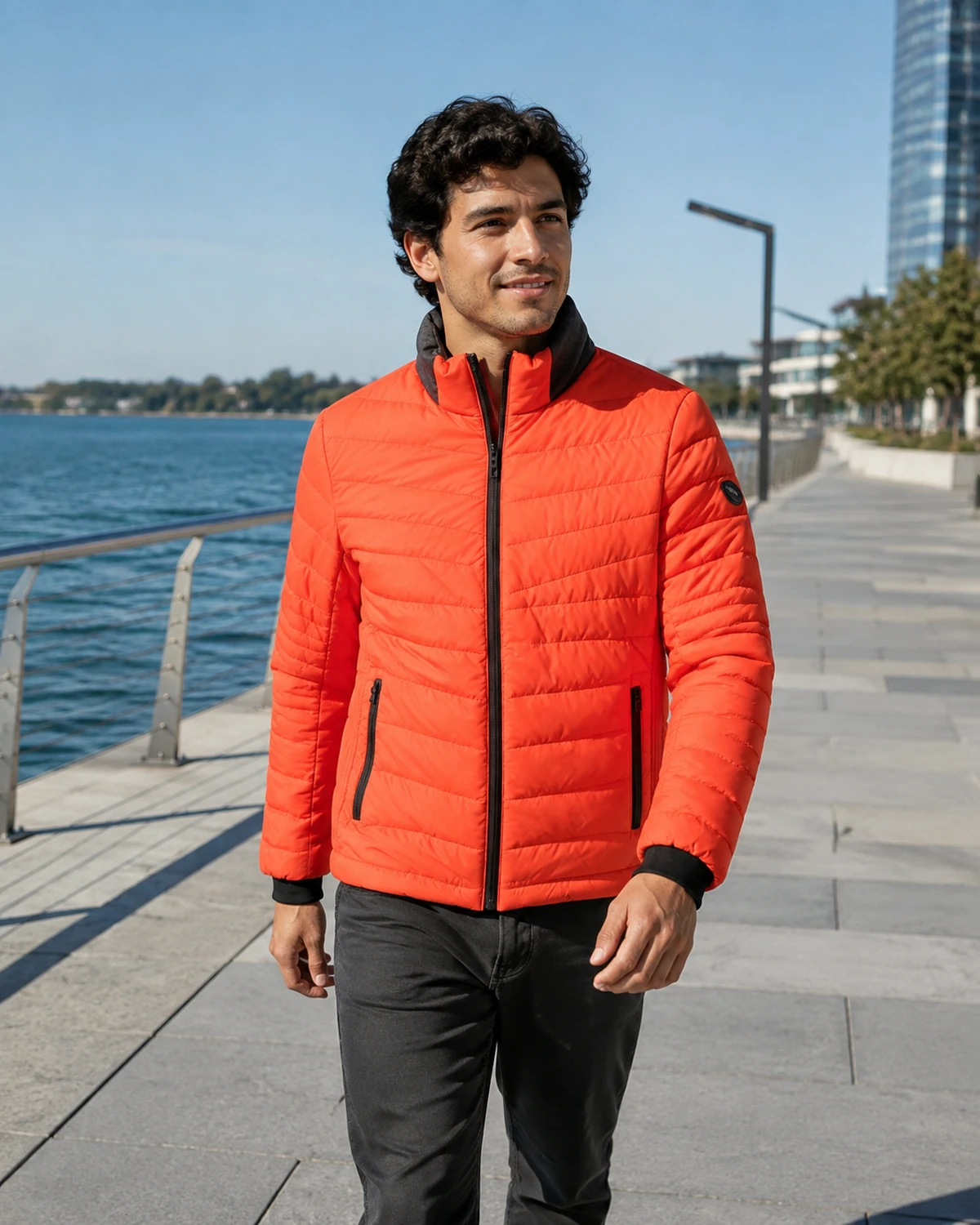
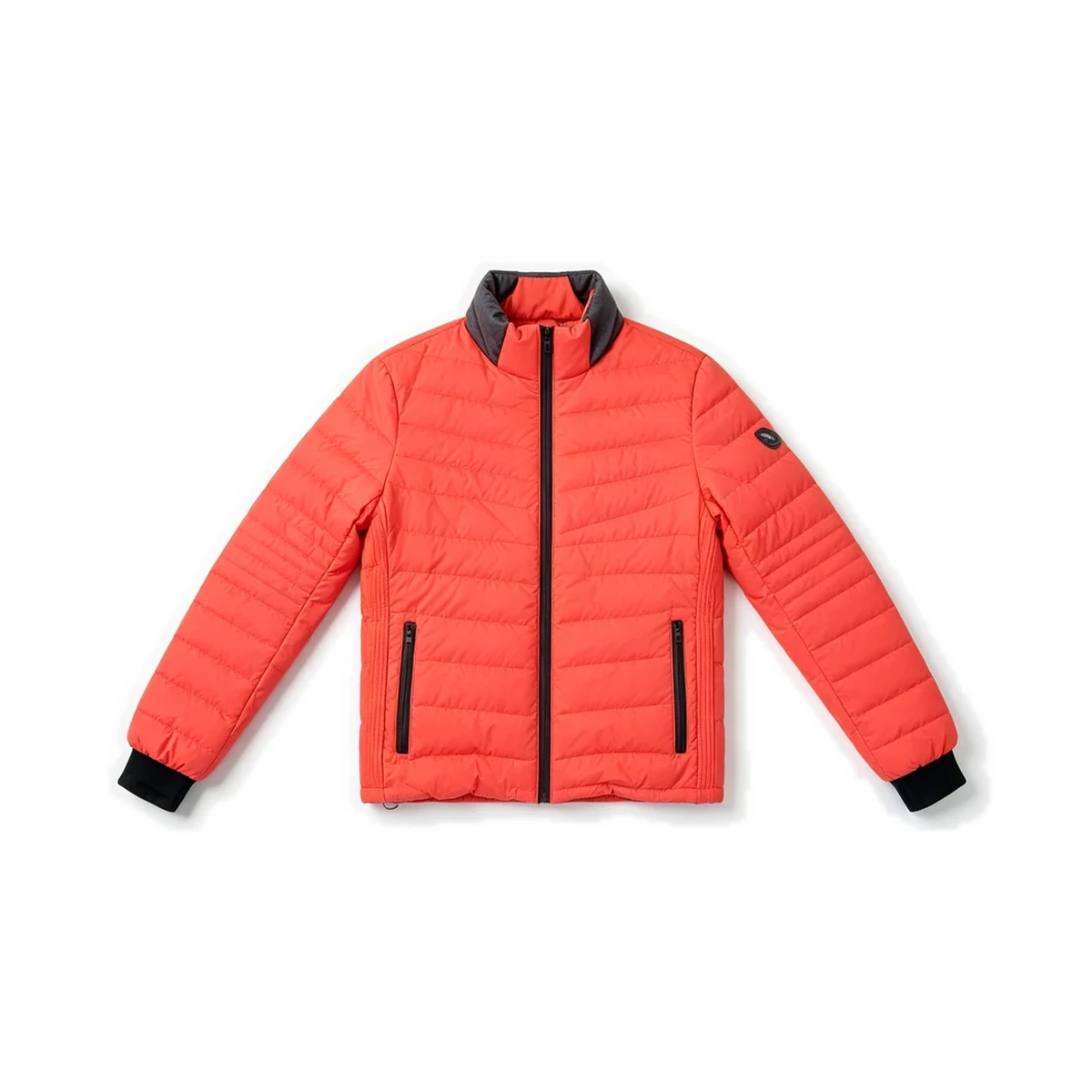
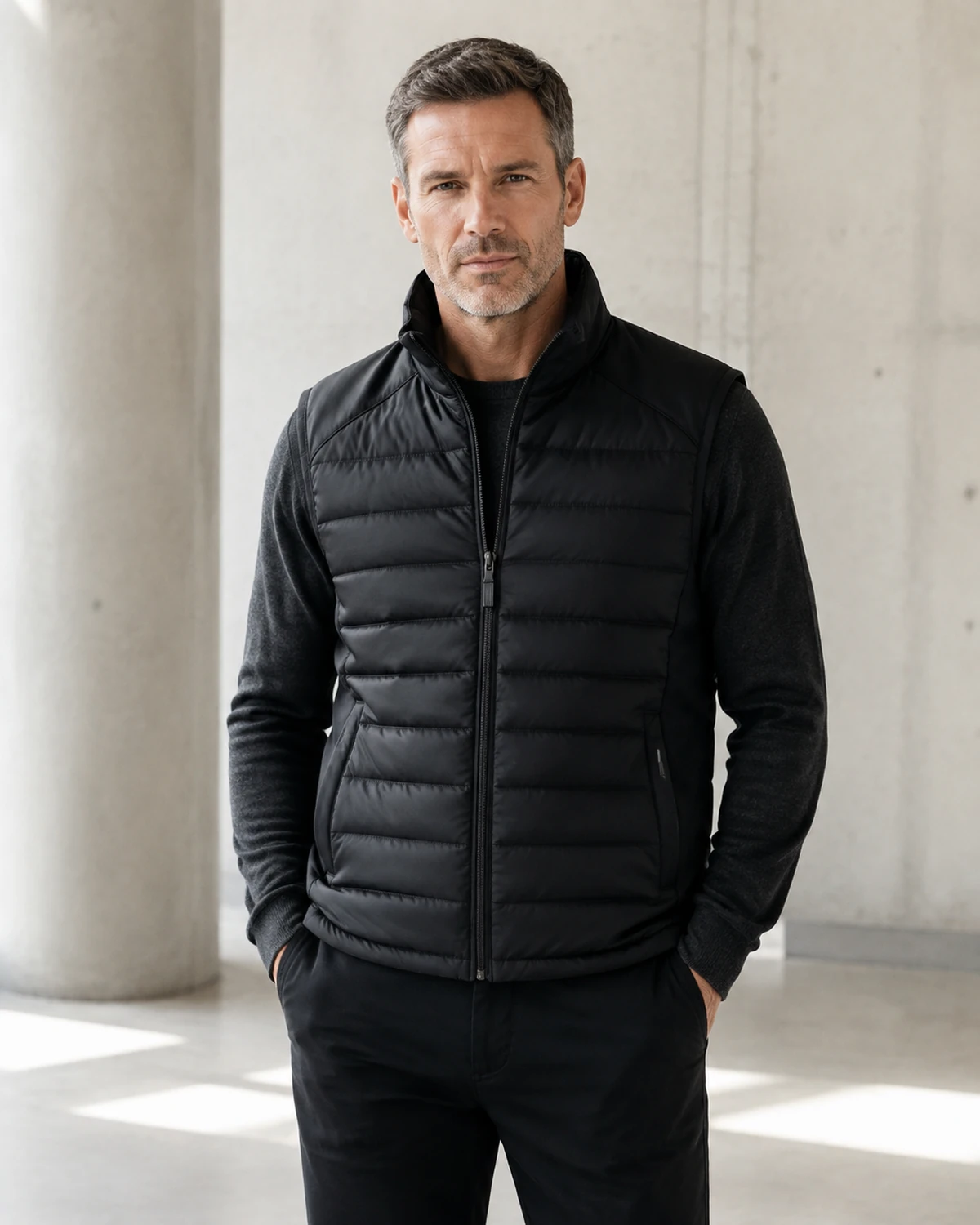
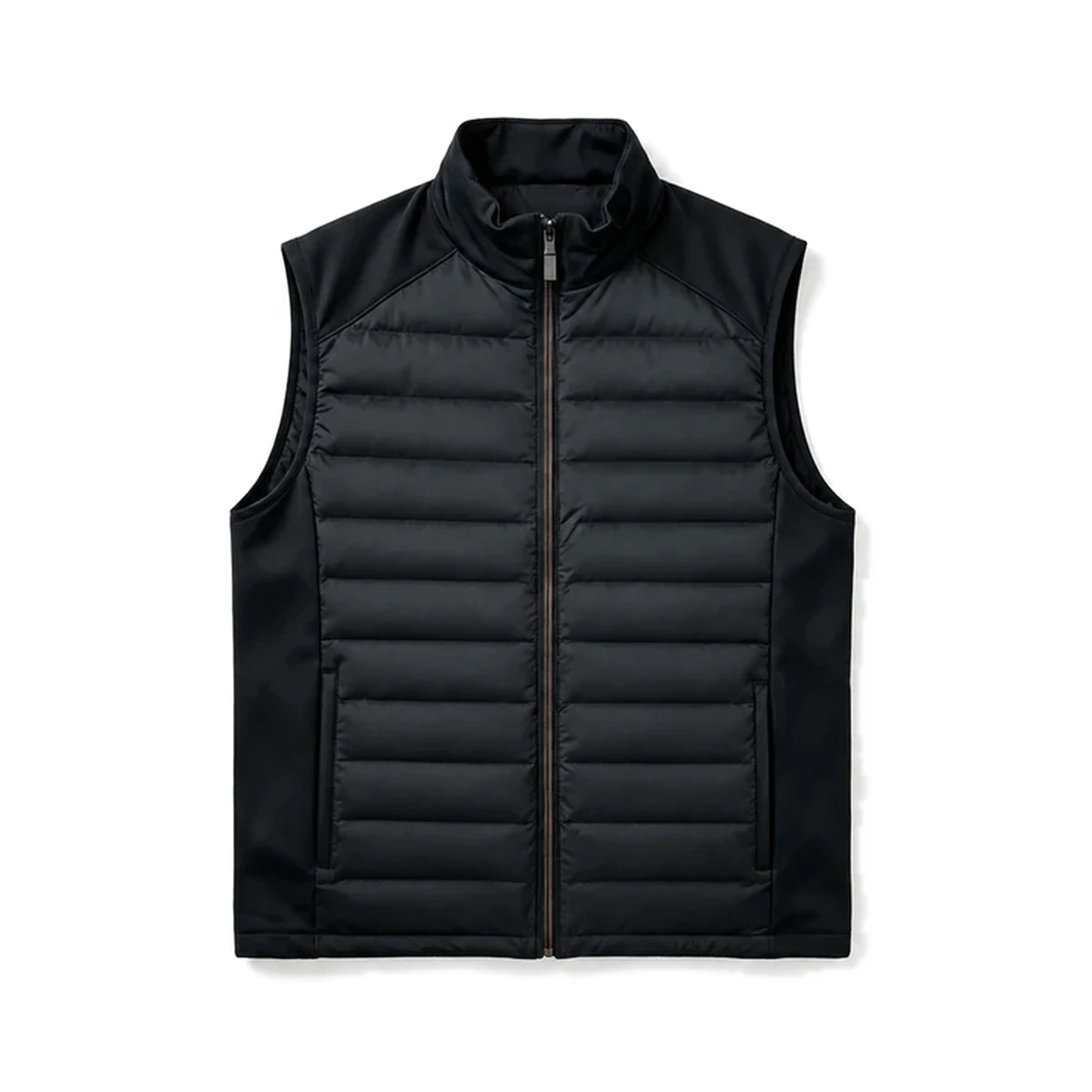
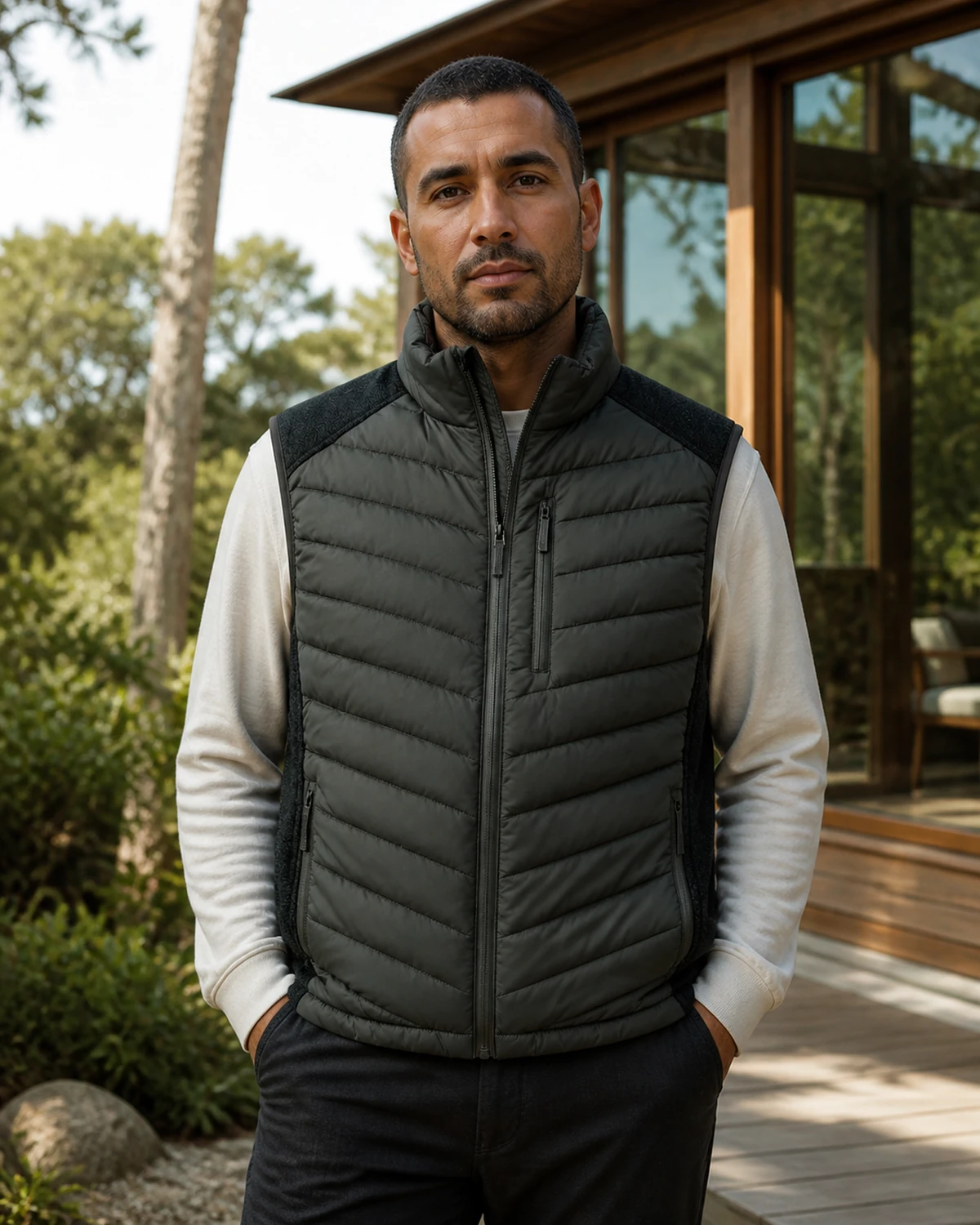
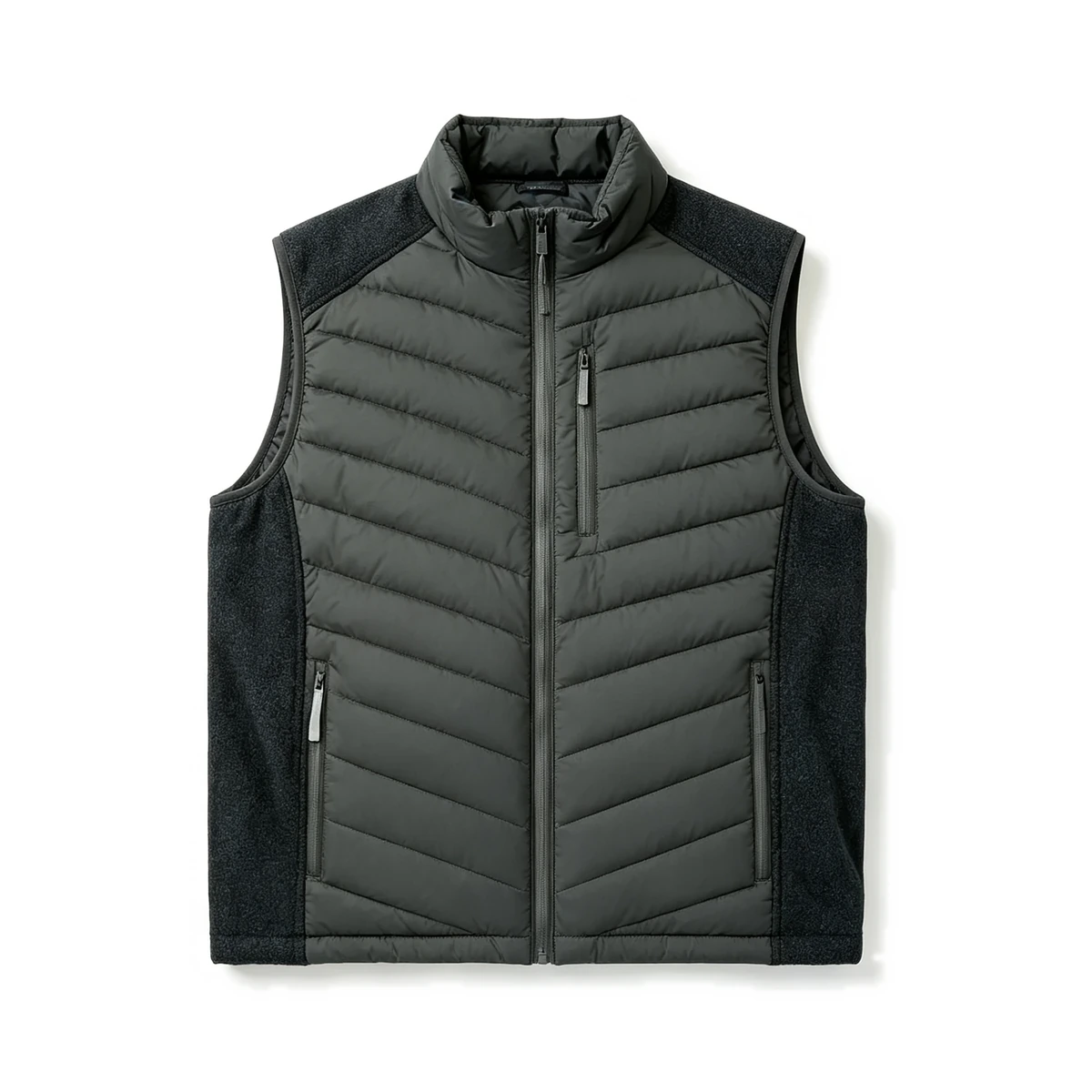
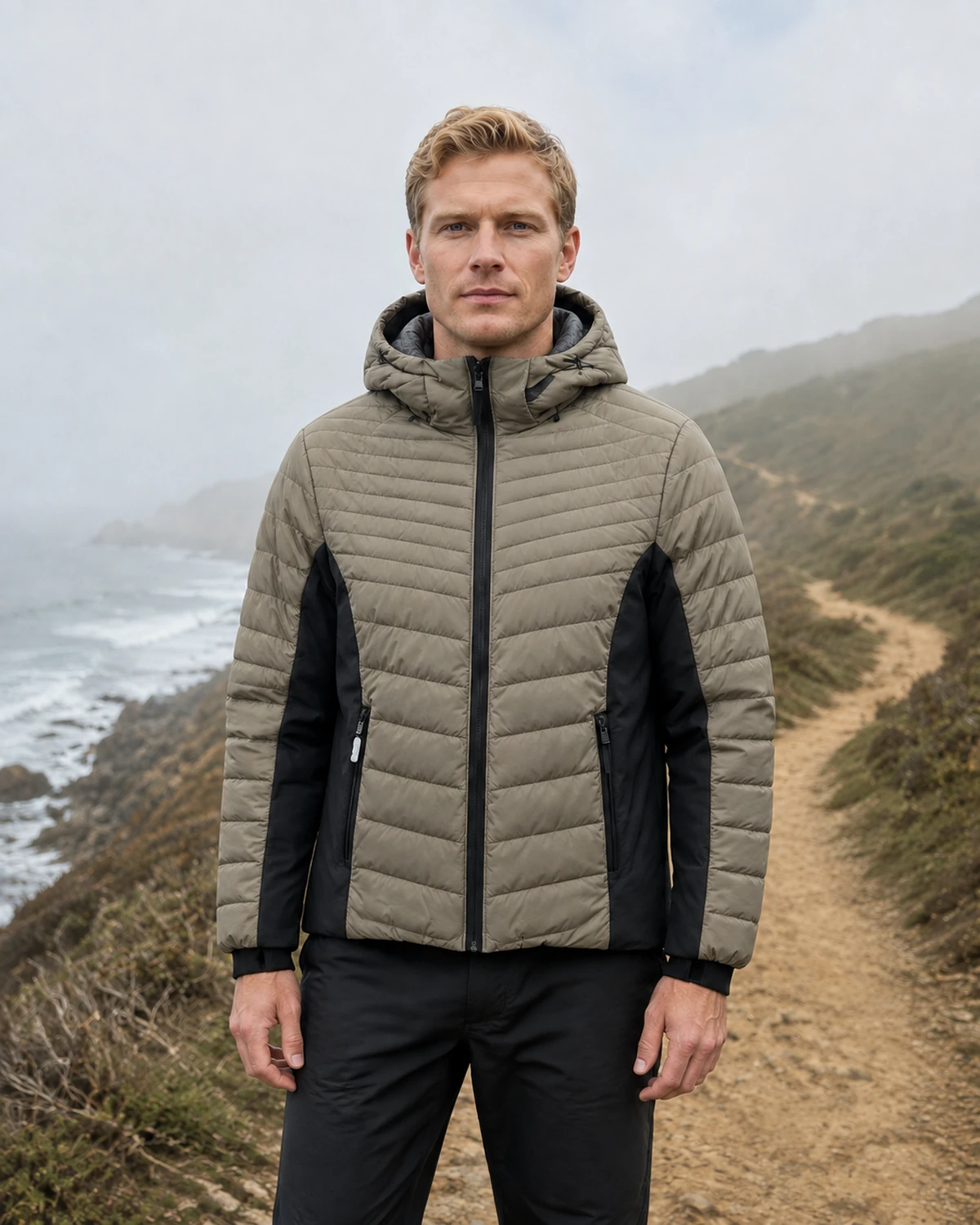
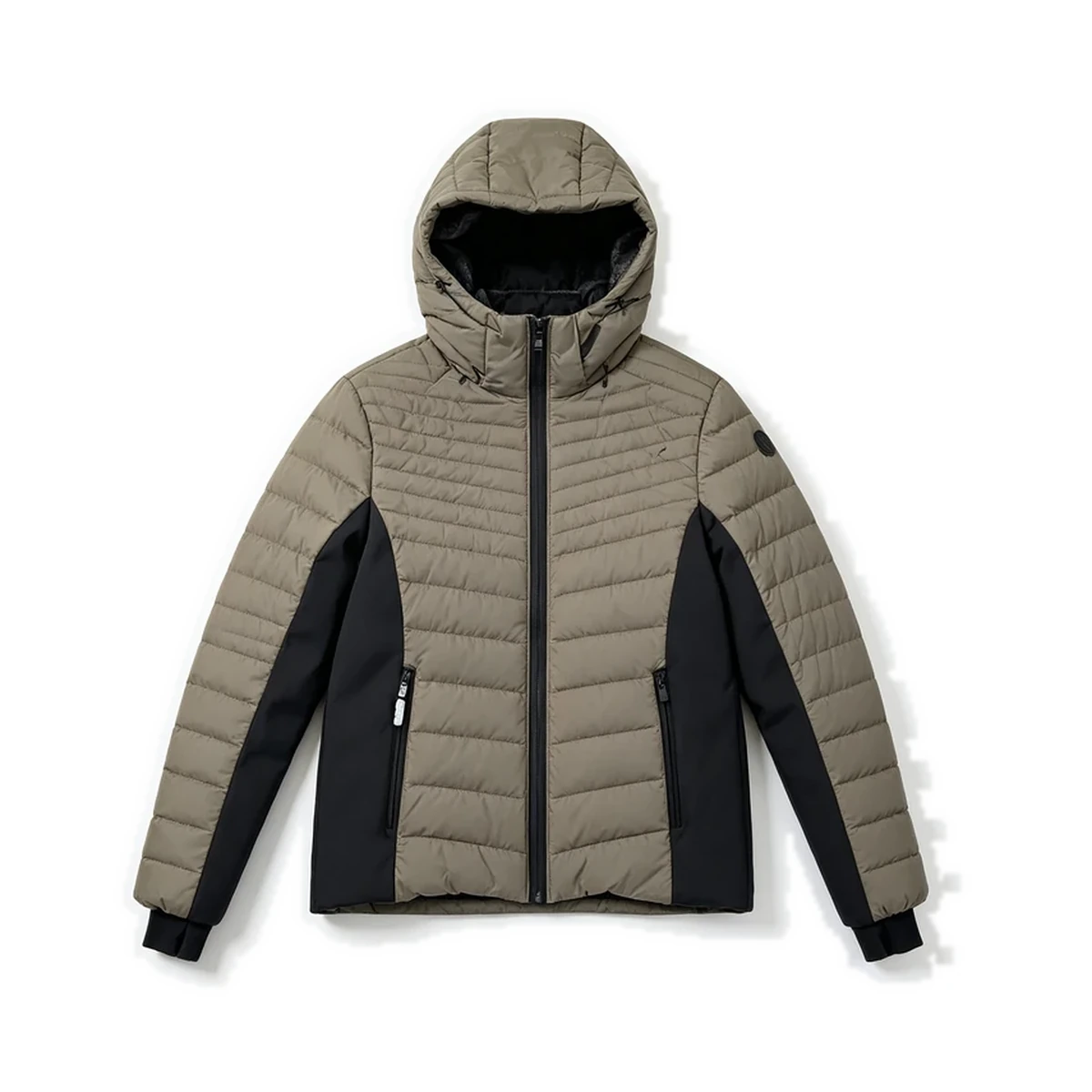
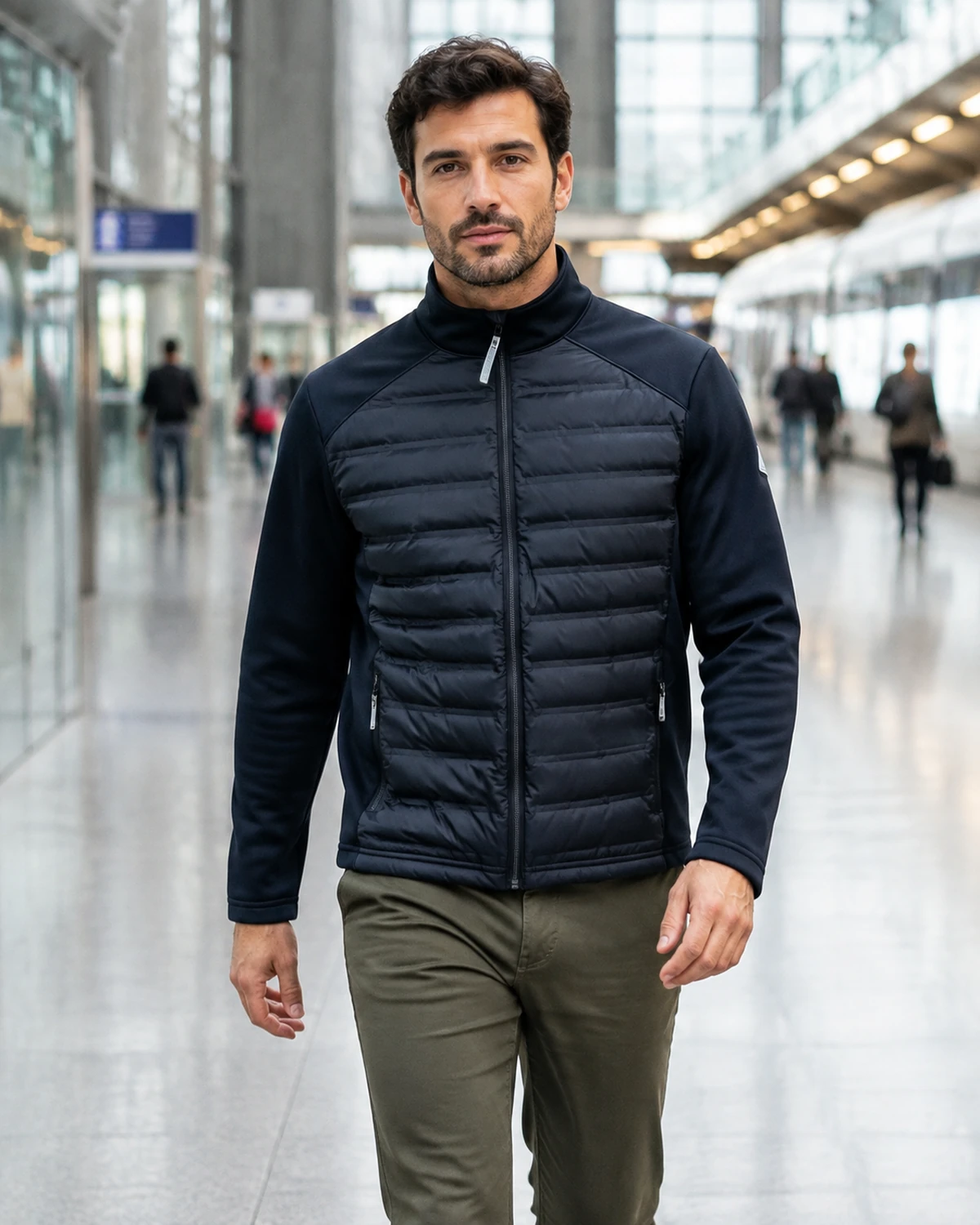
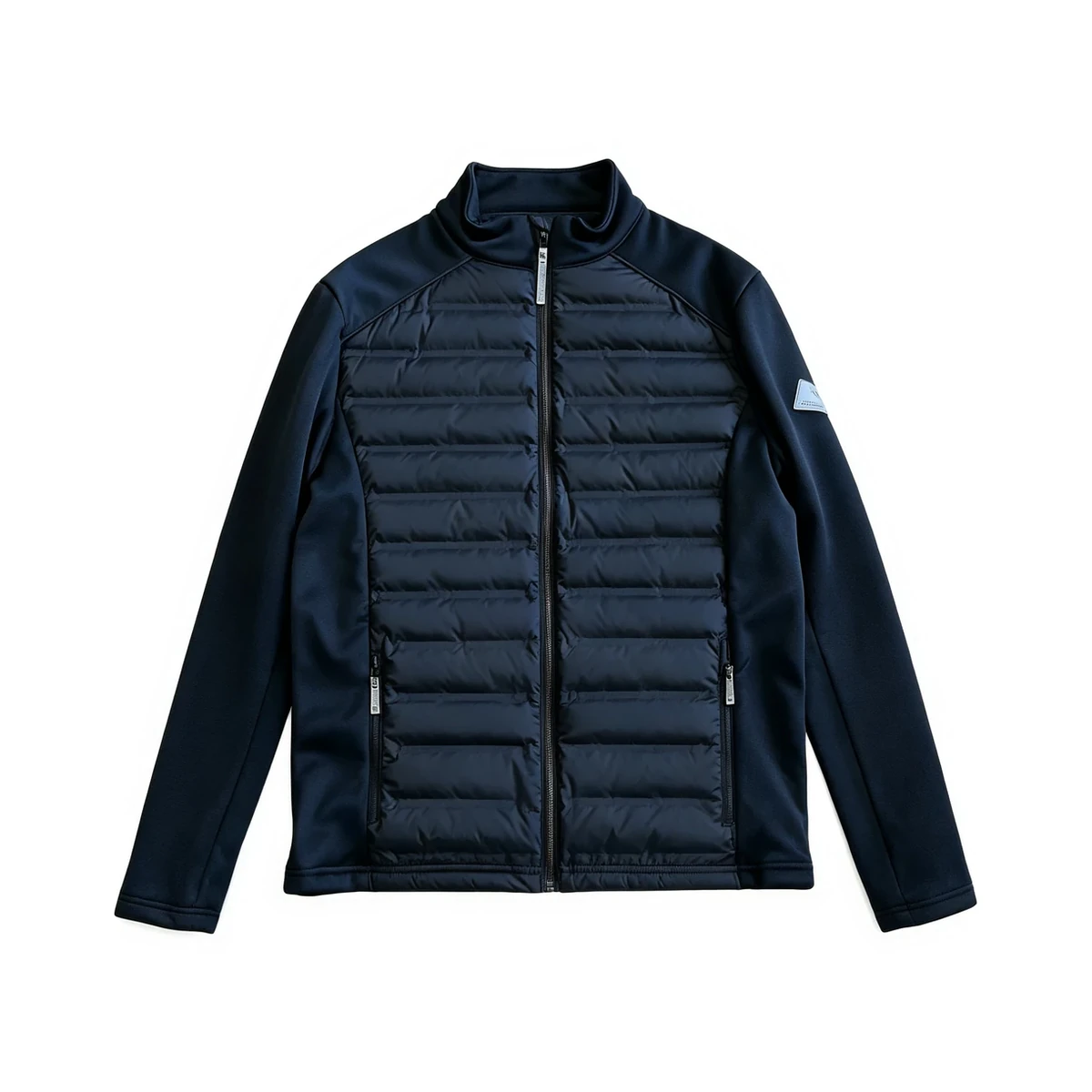
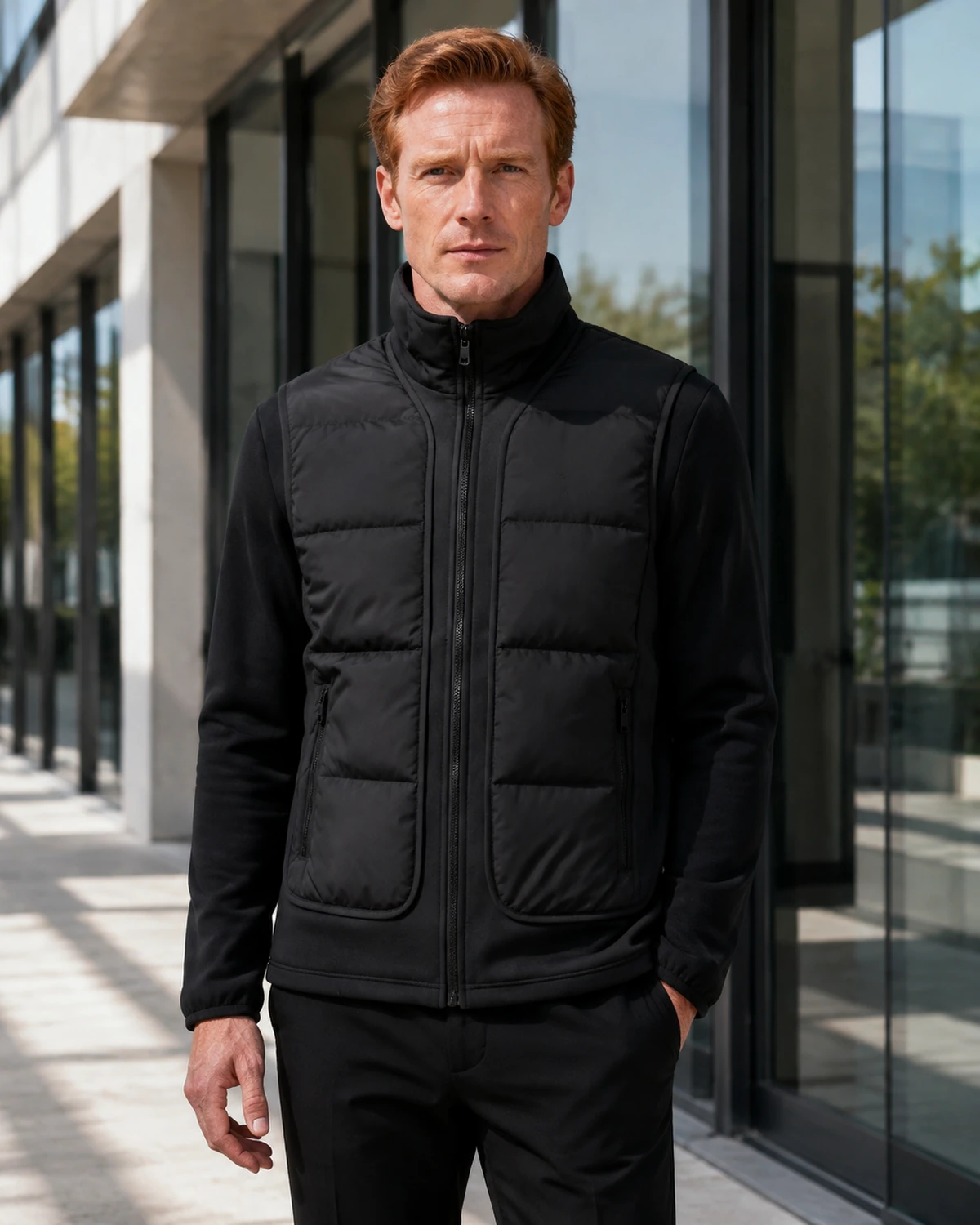
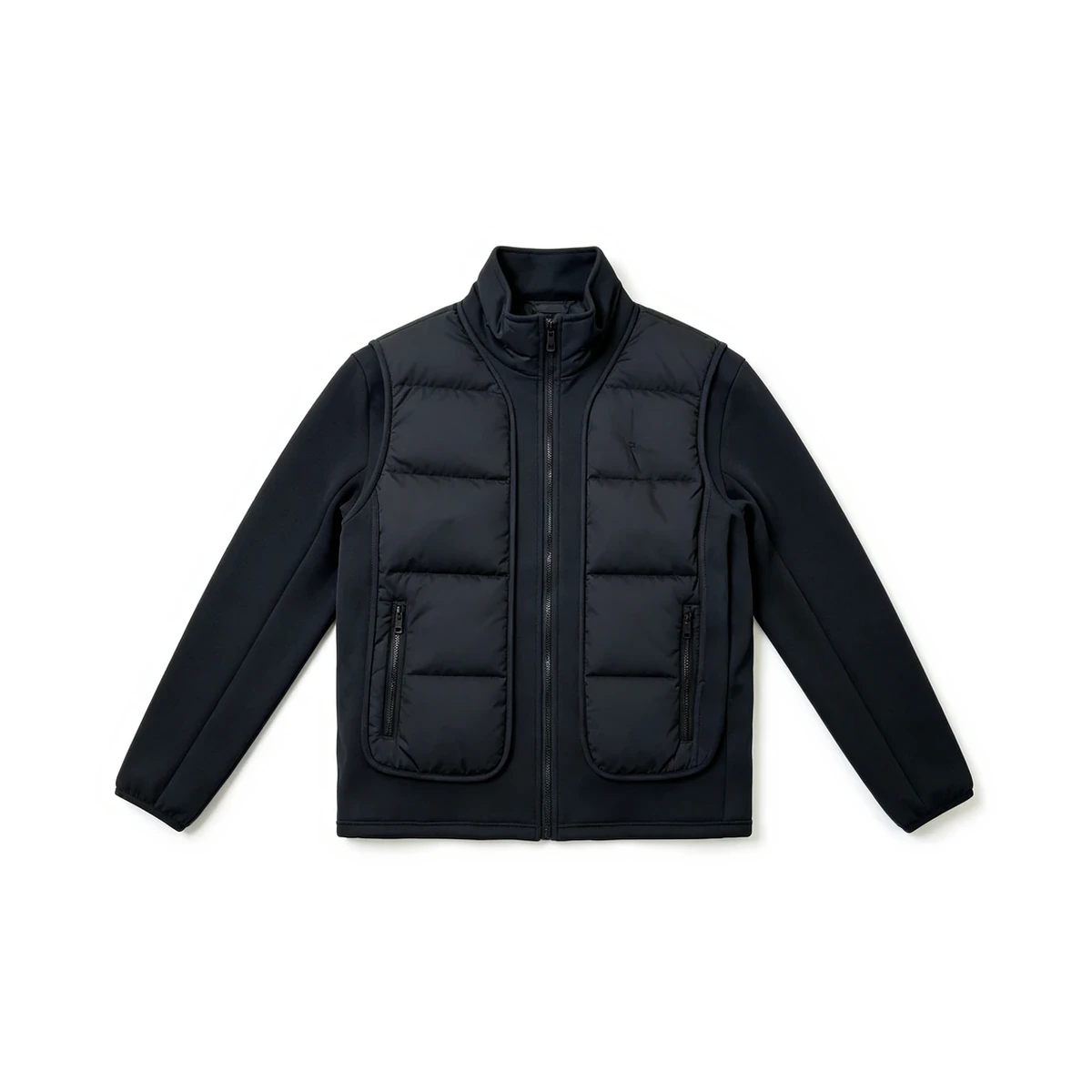
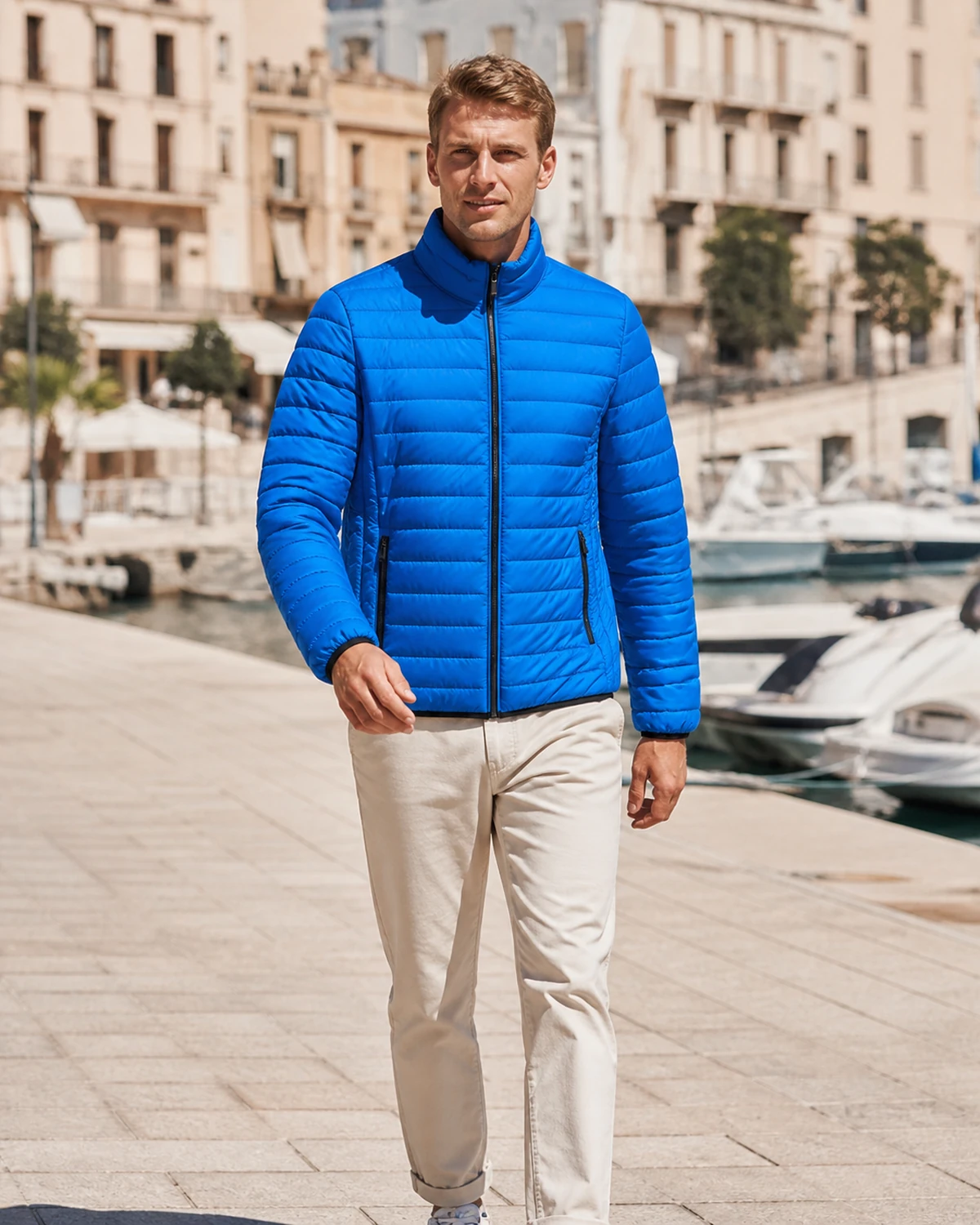
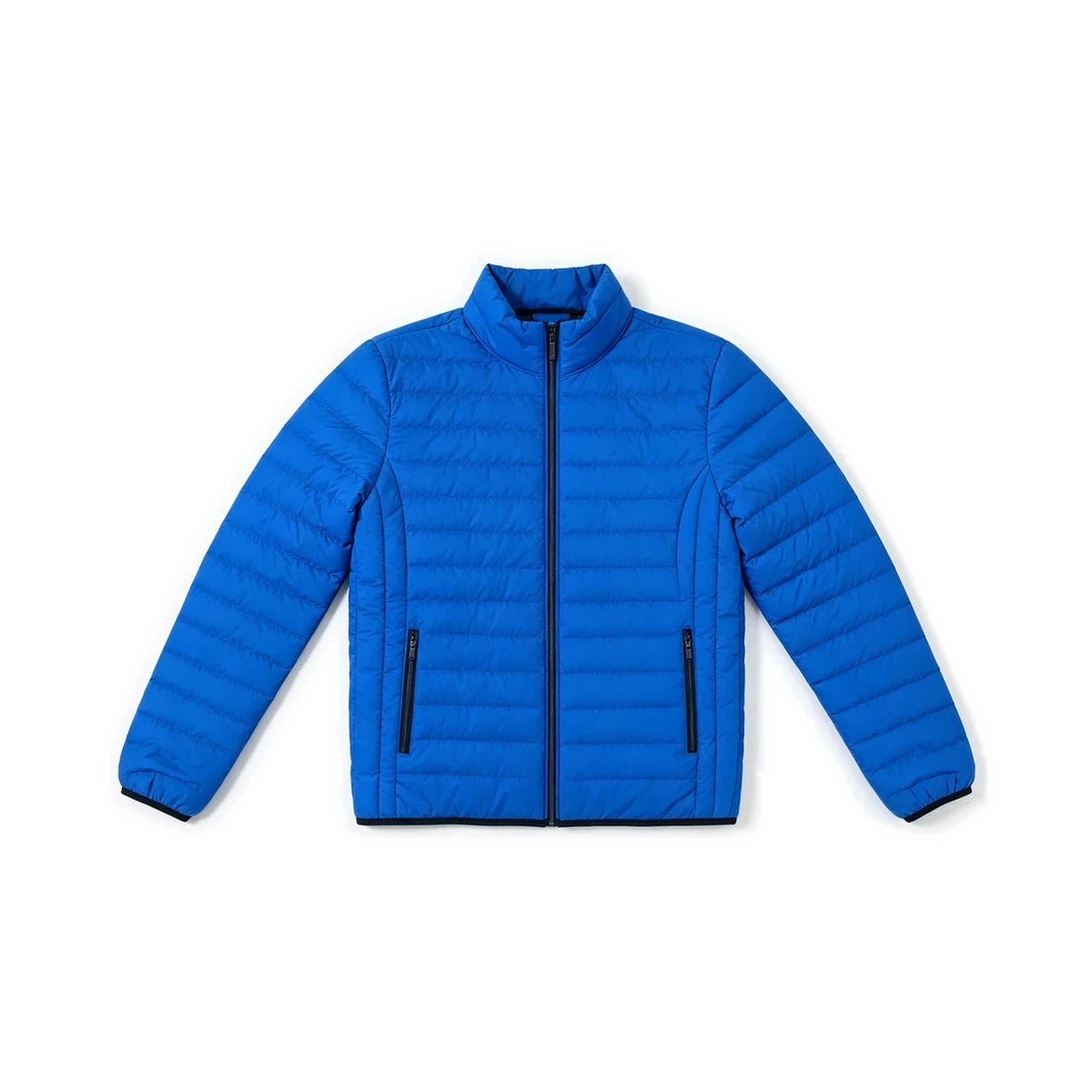
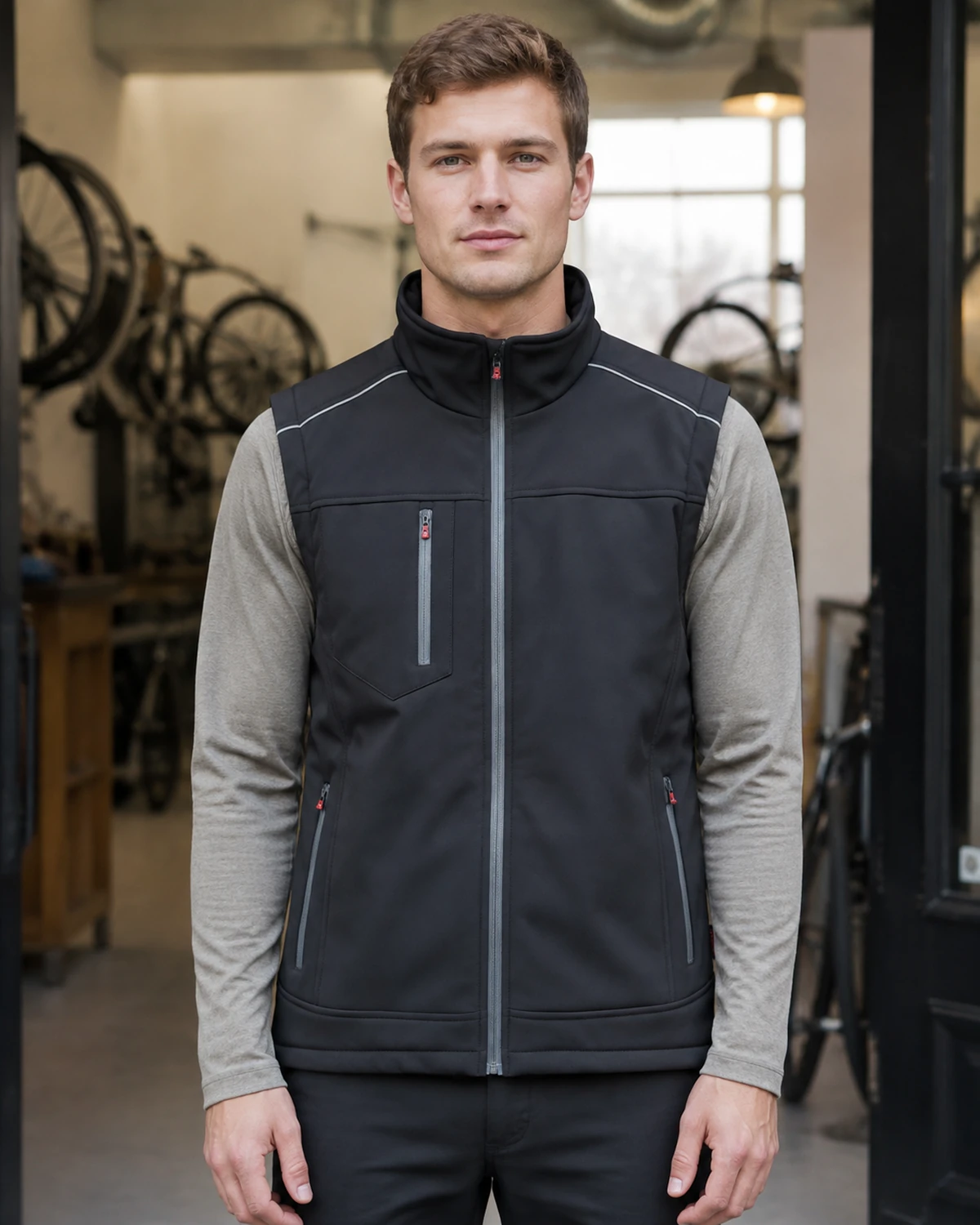
women outerwear
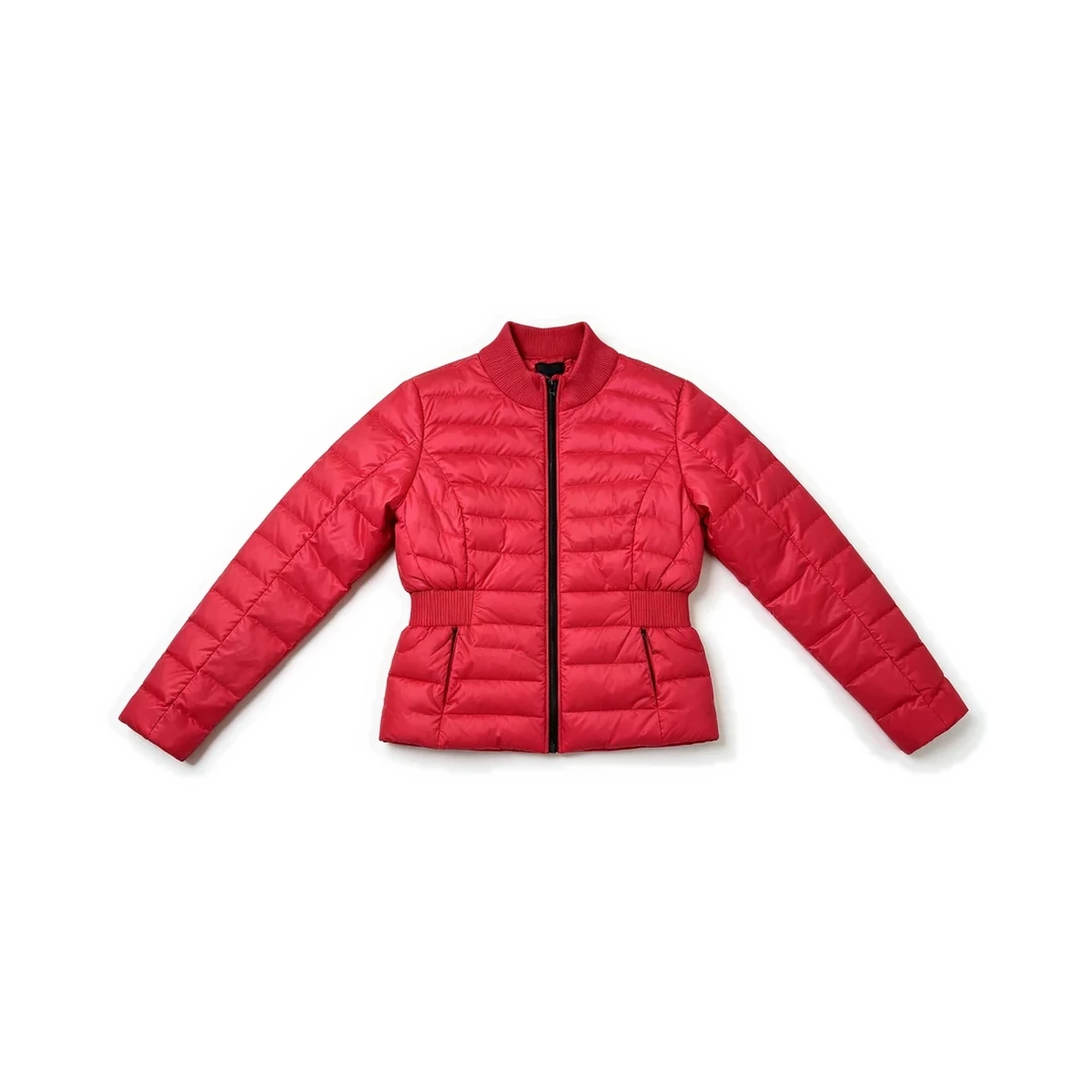
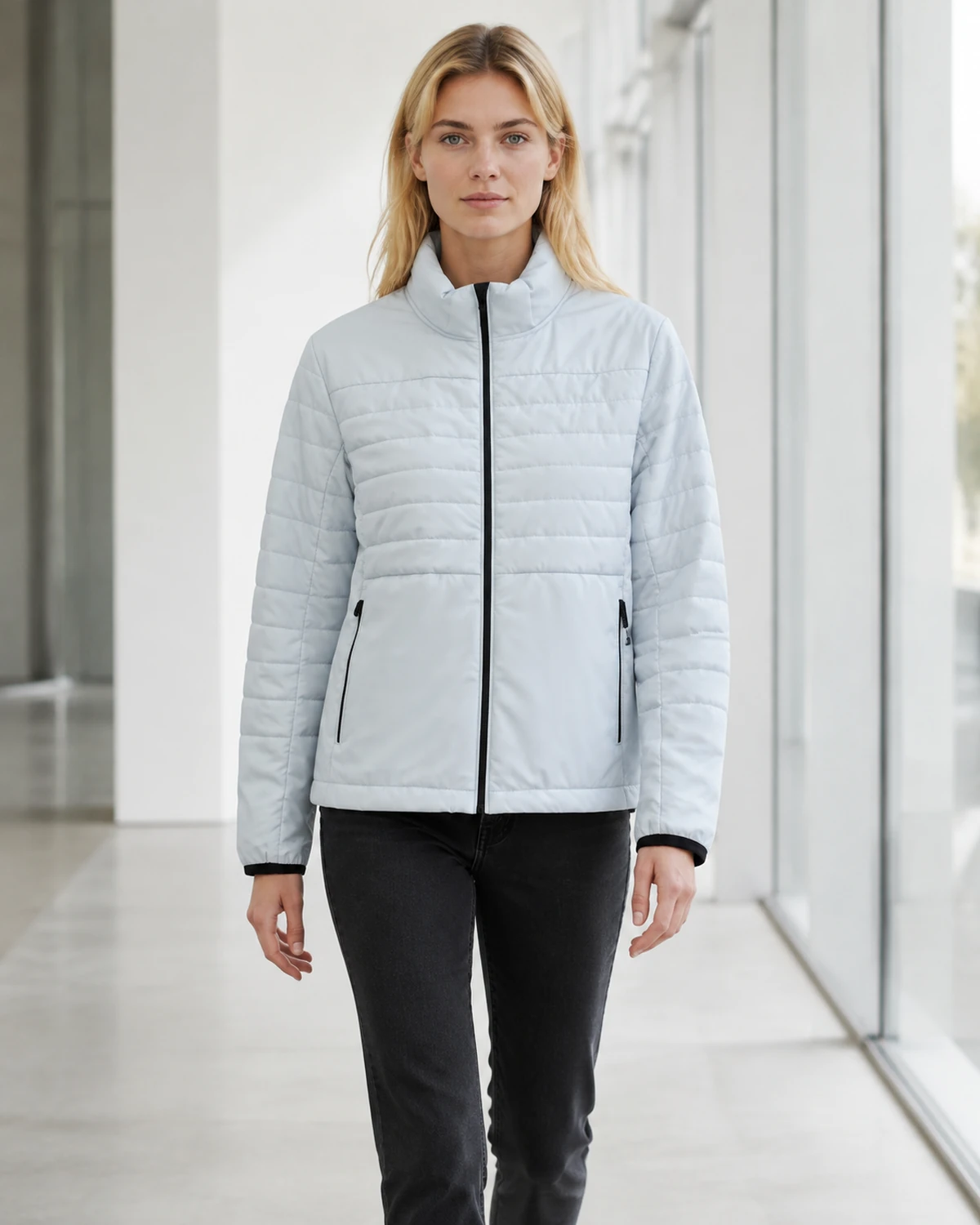
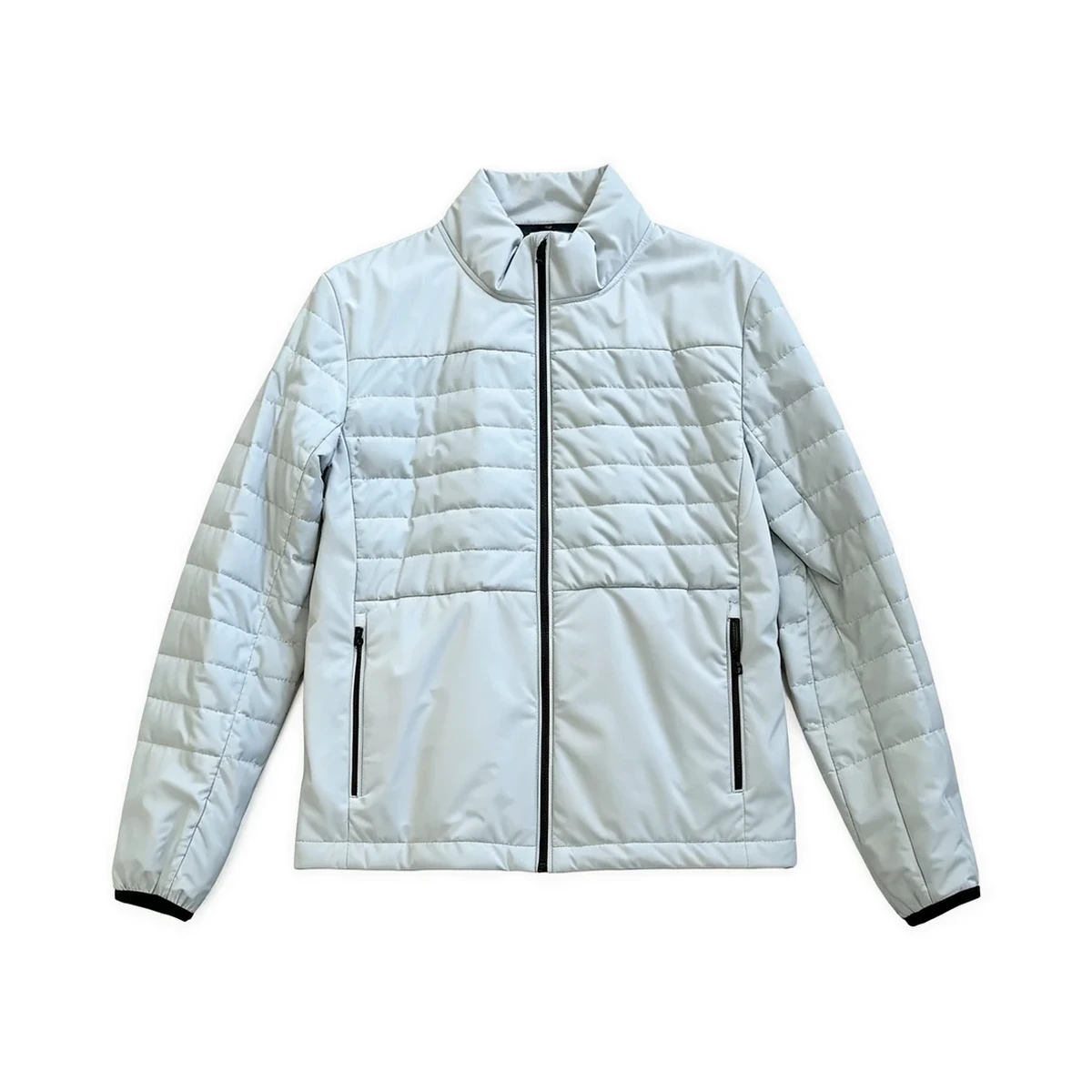
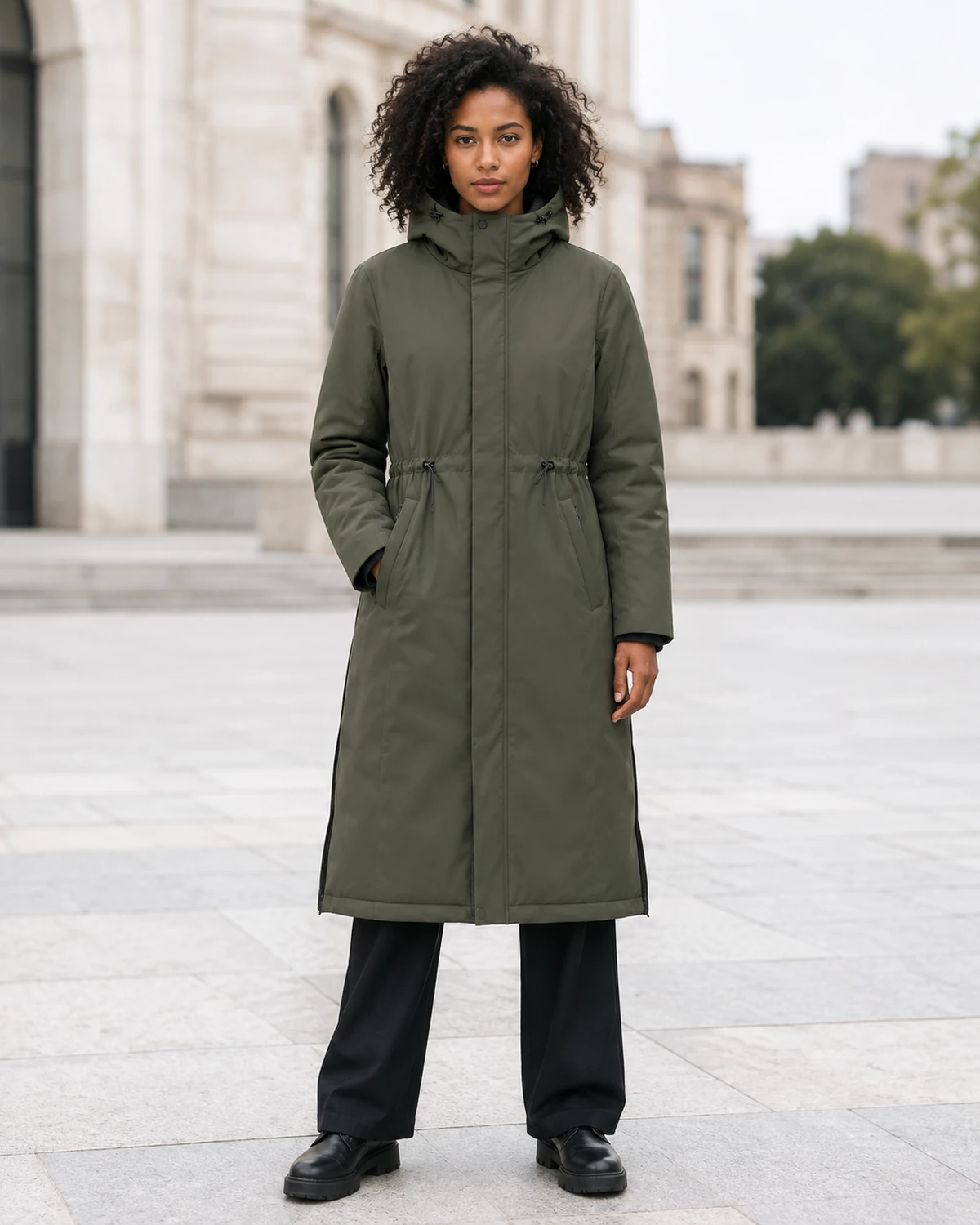
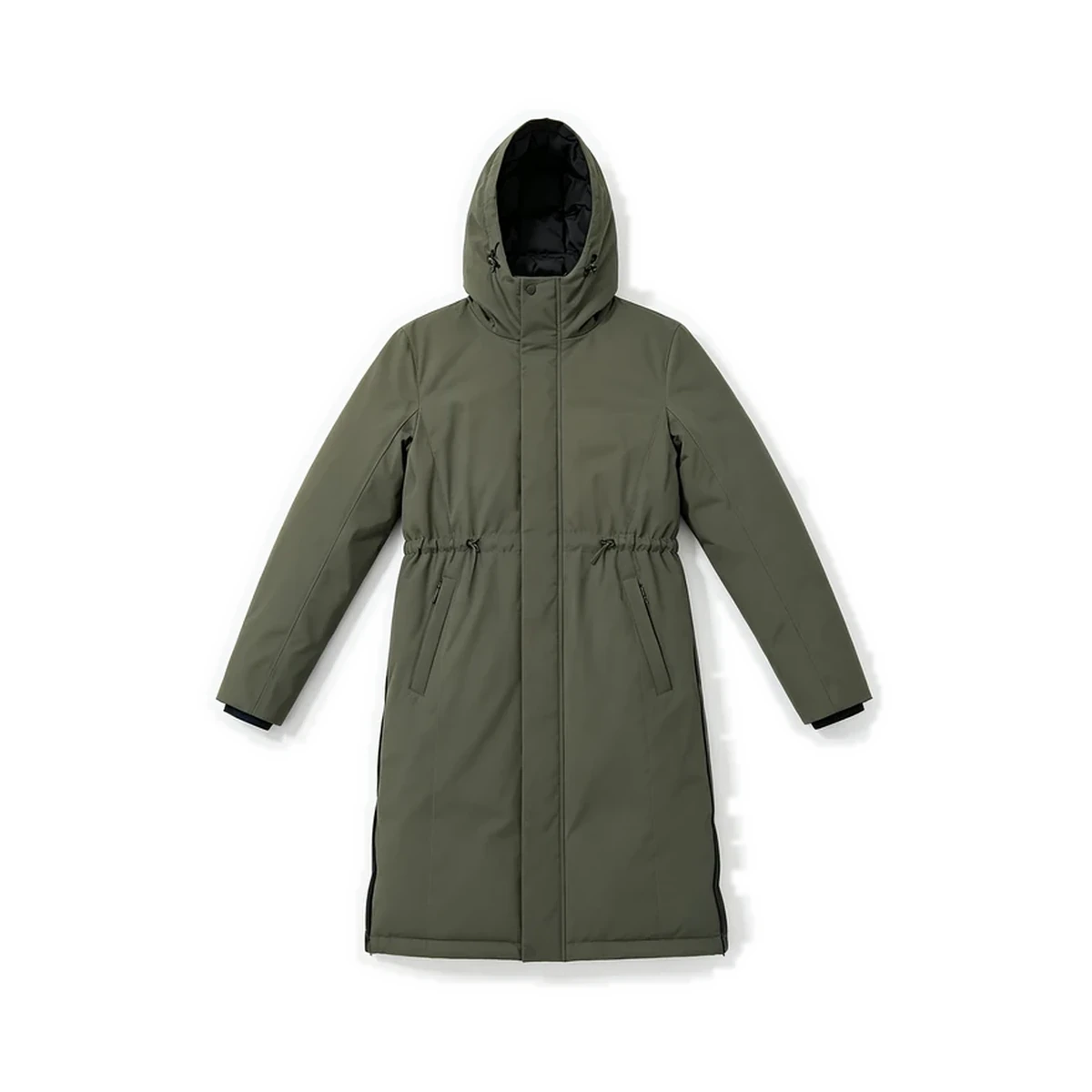
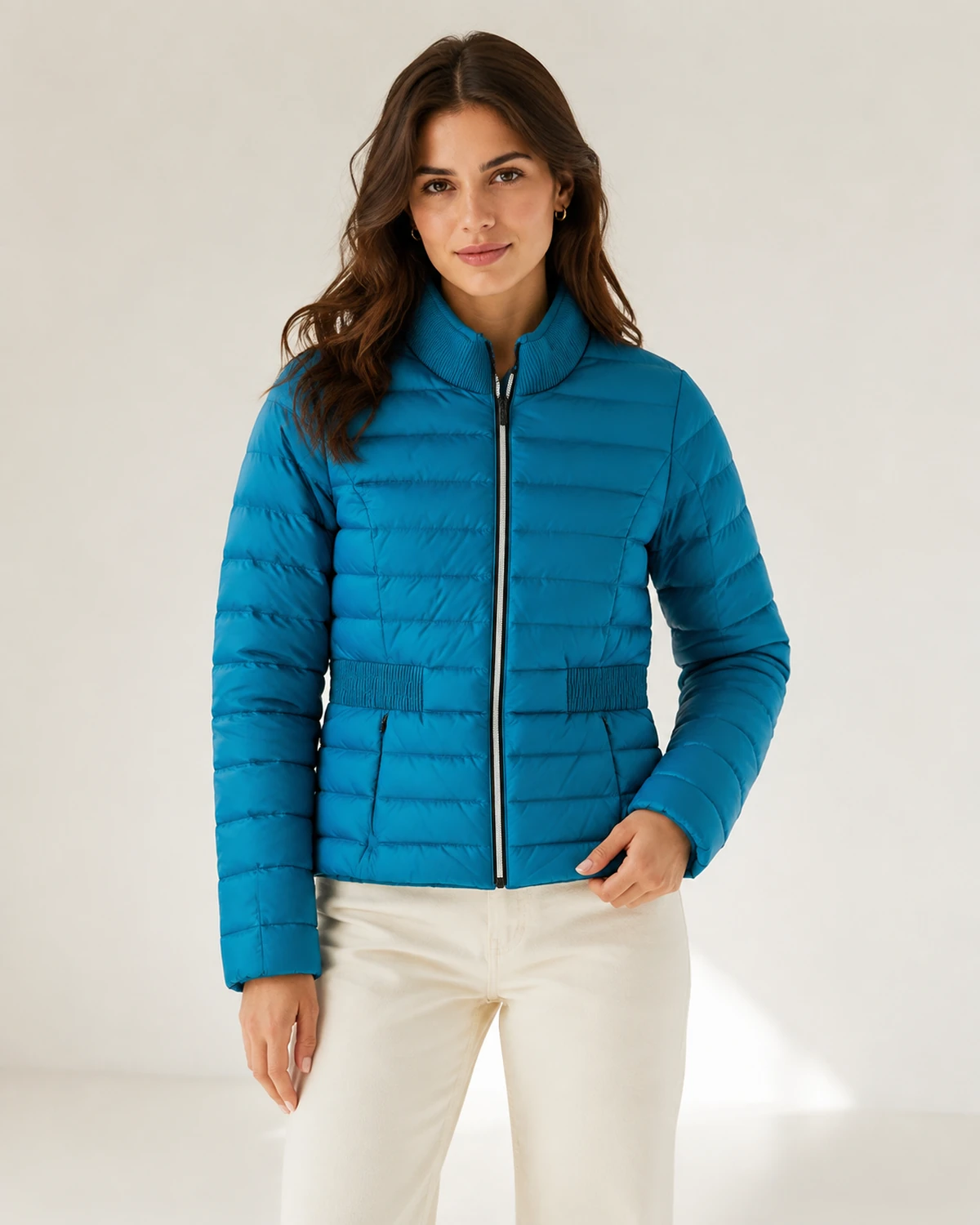
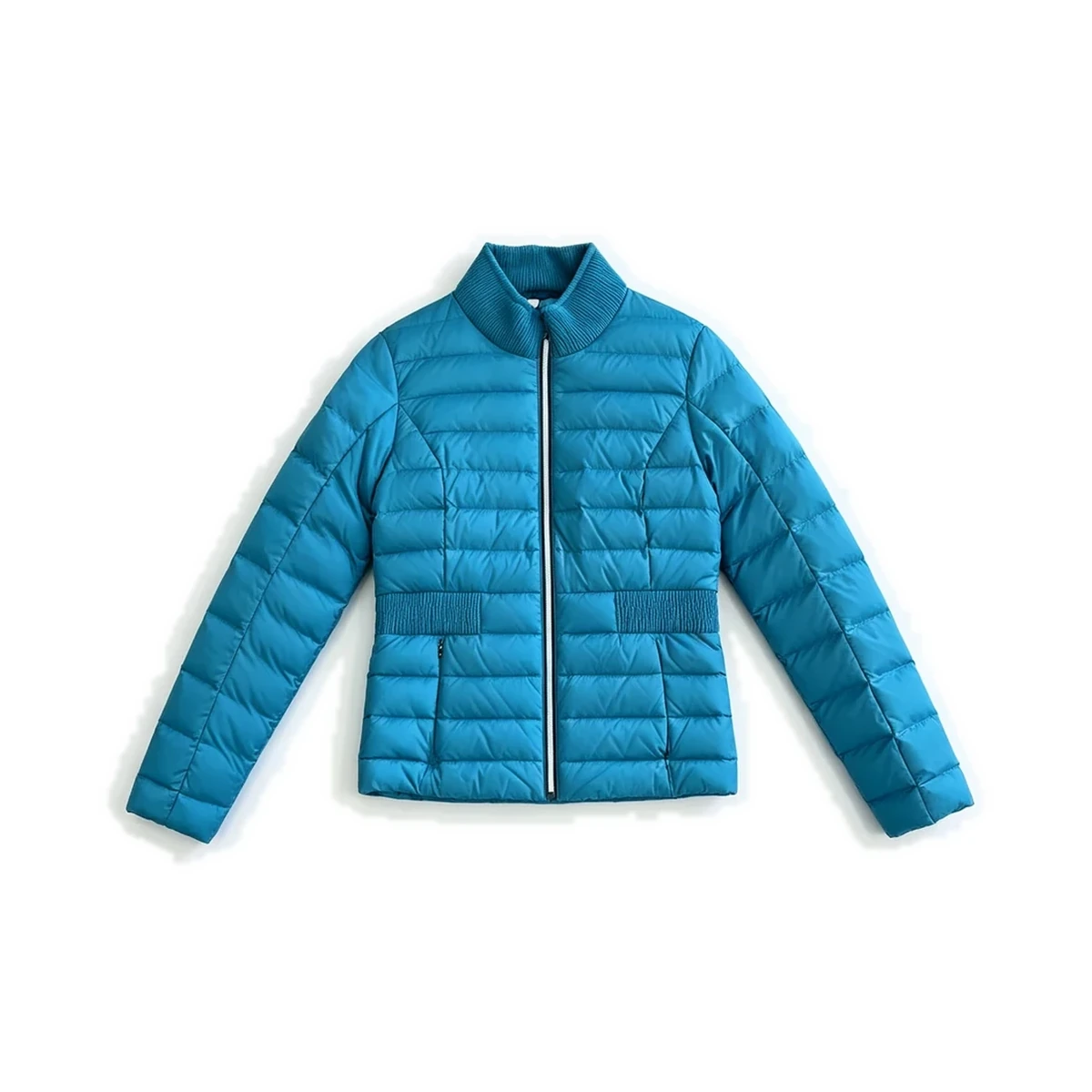
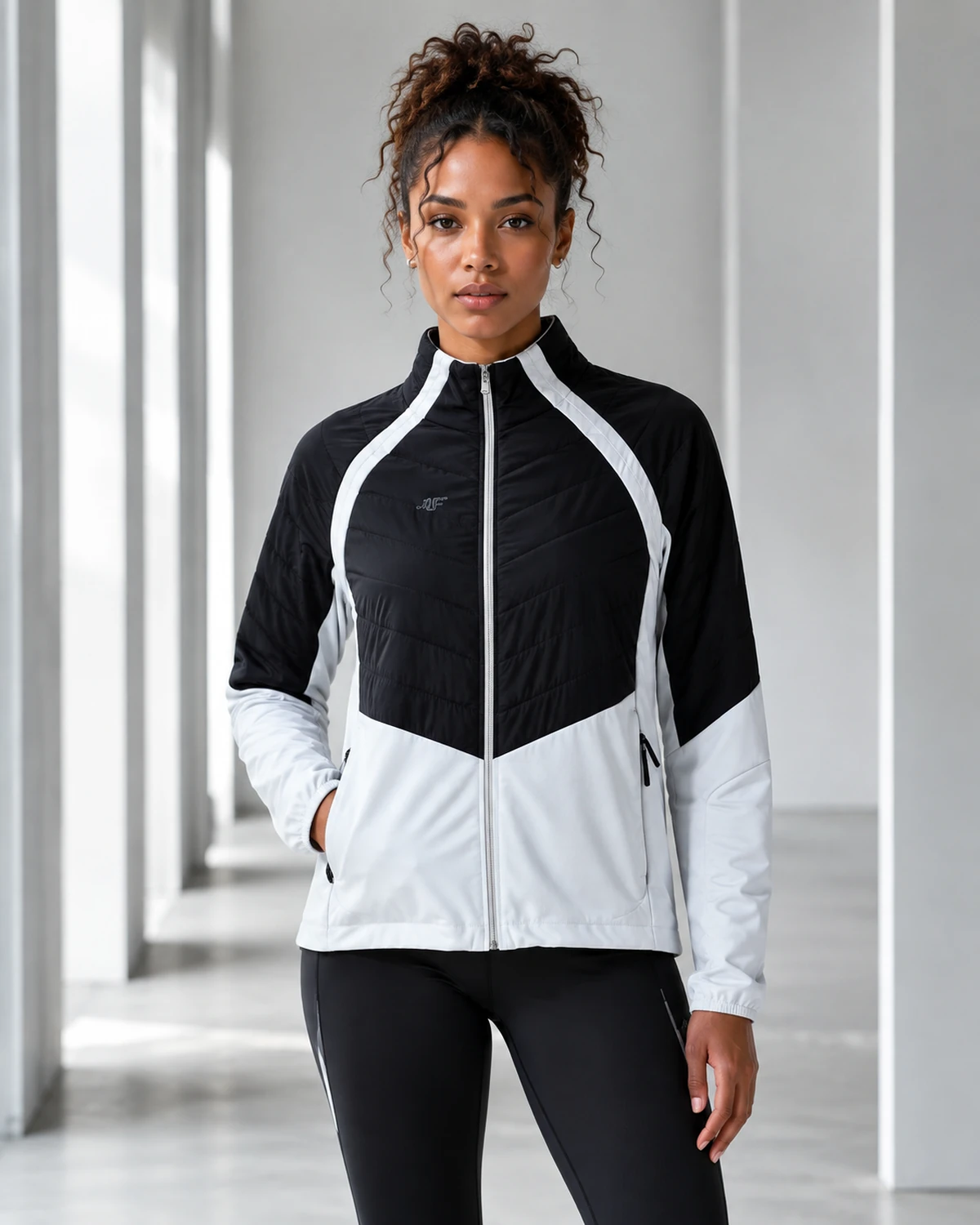
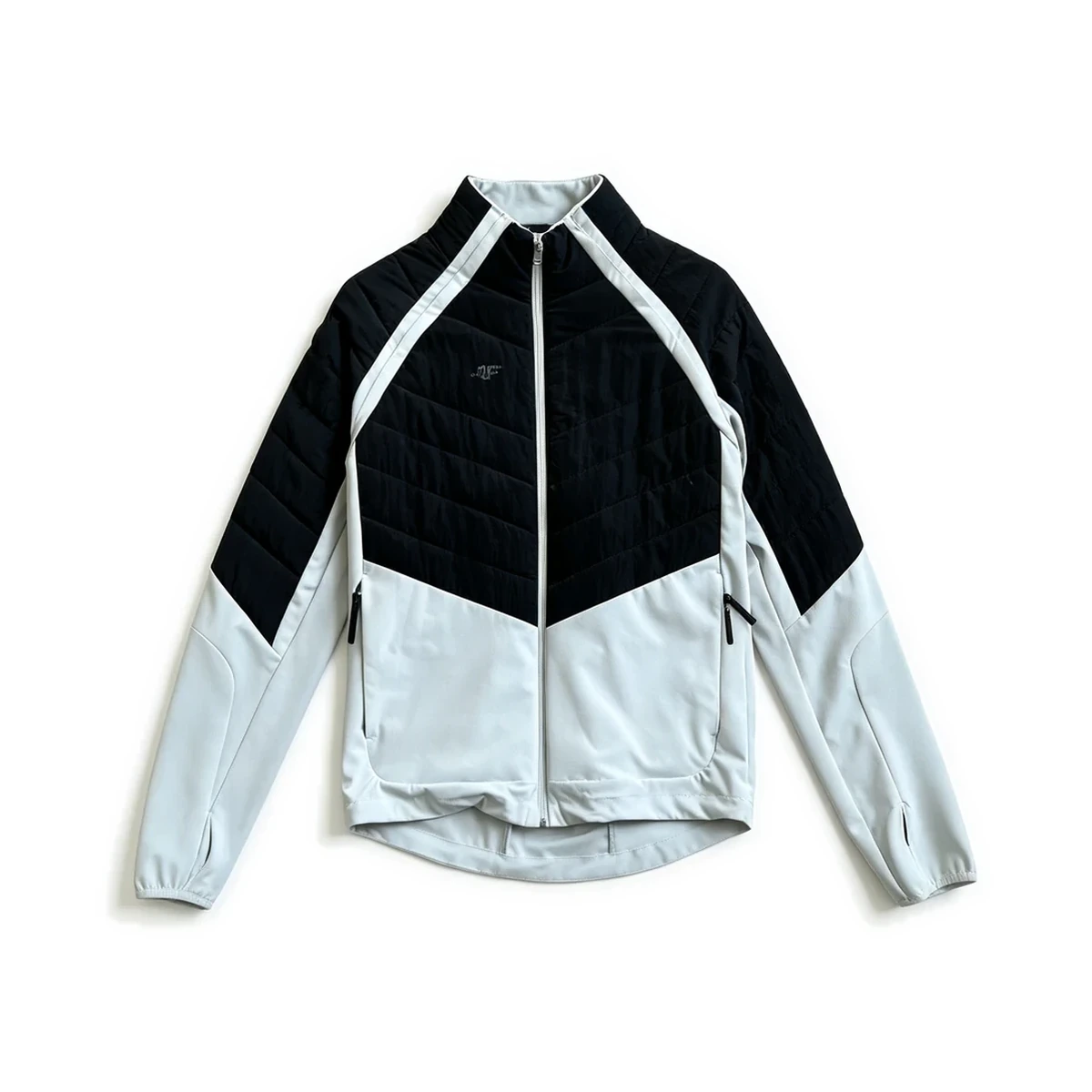
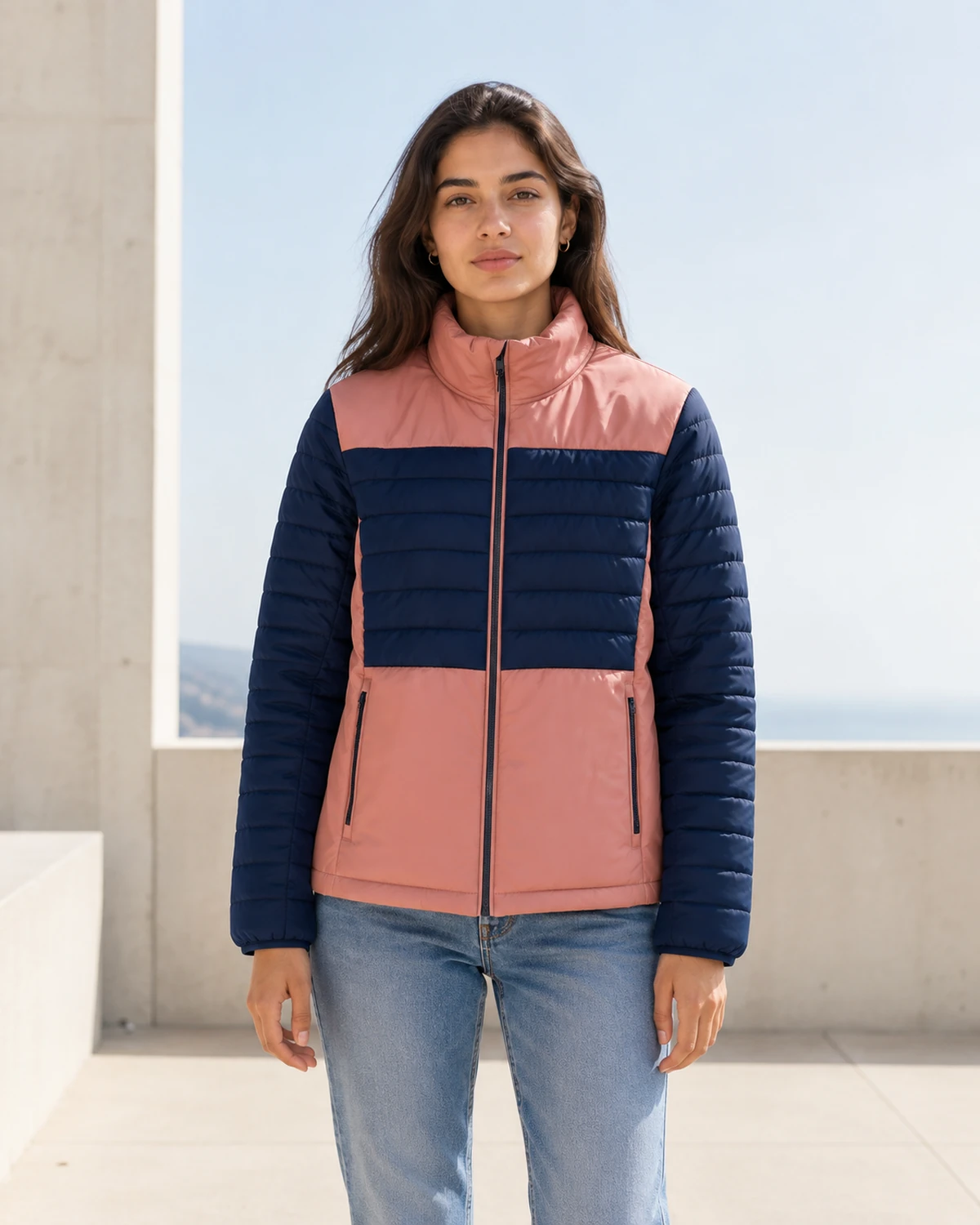
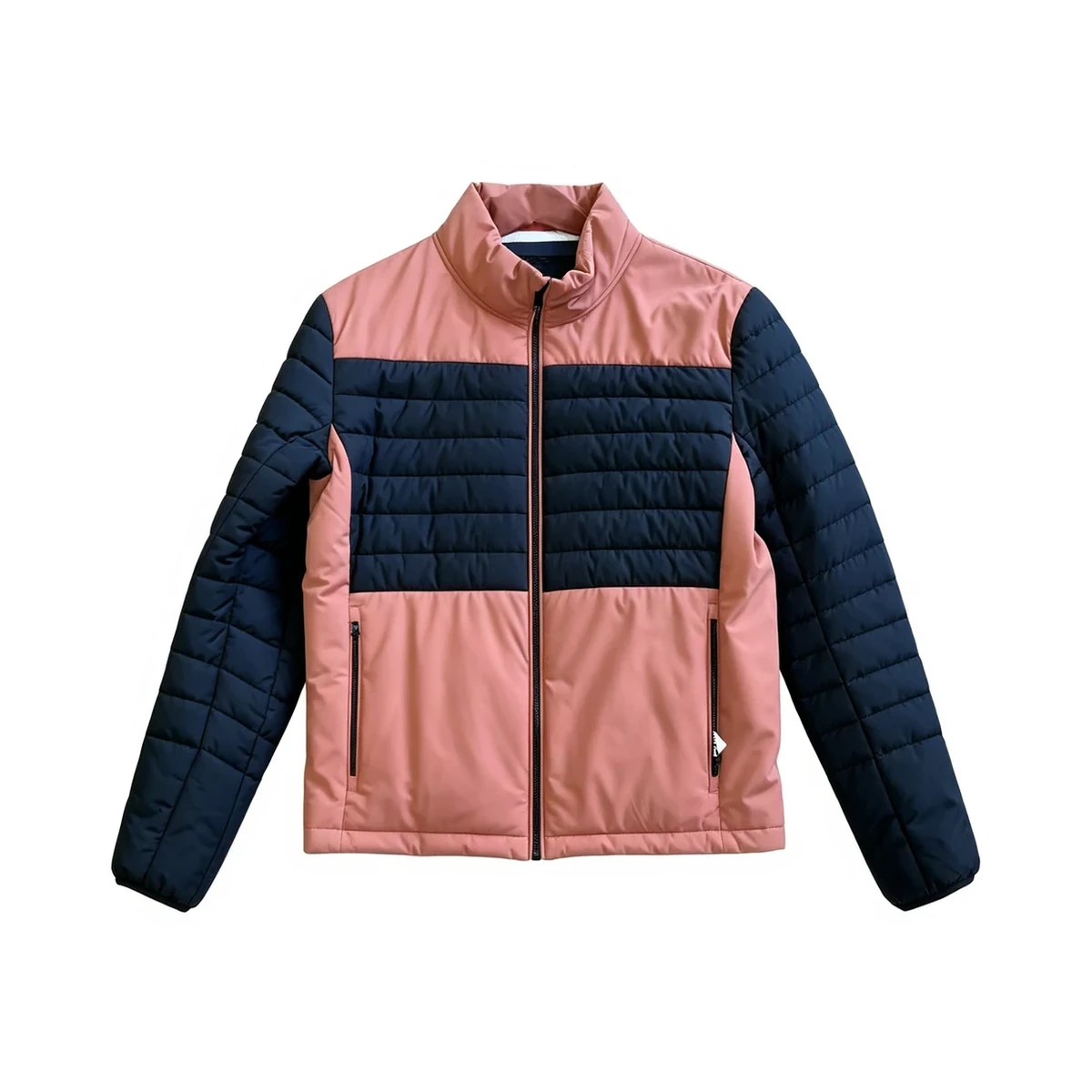
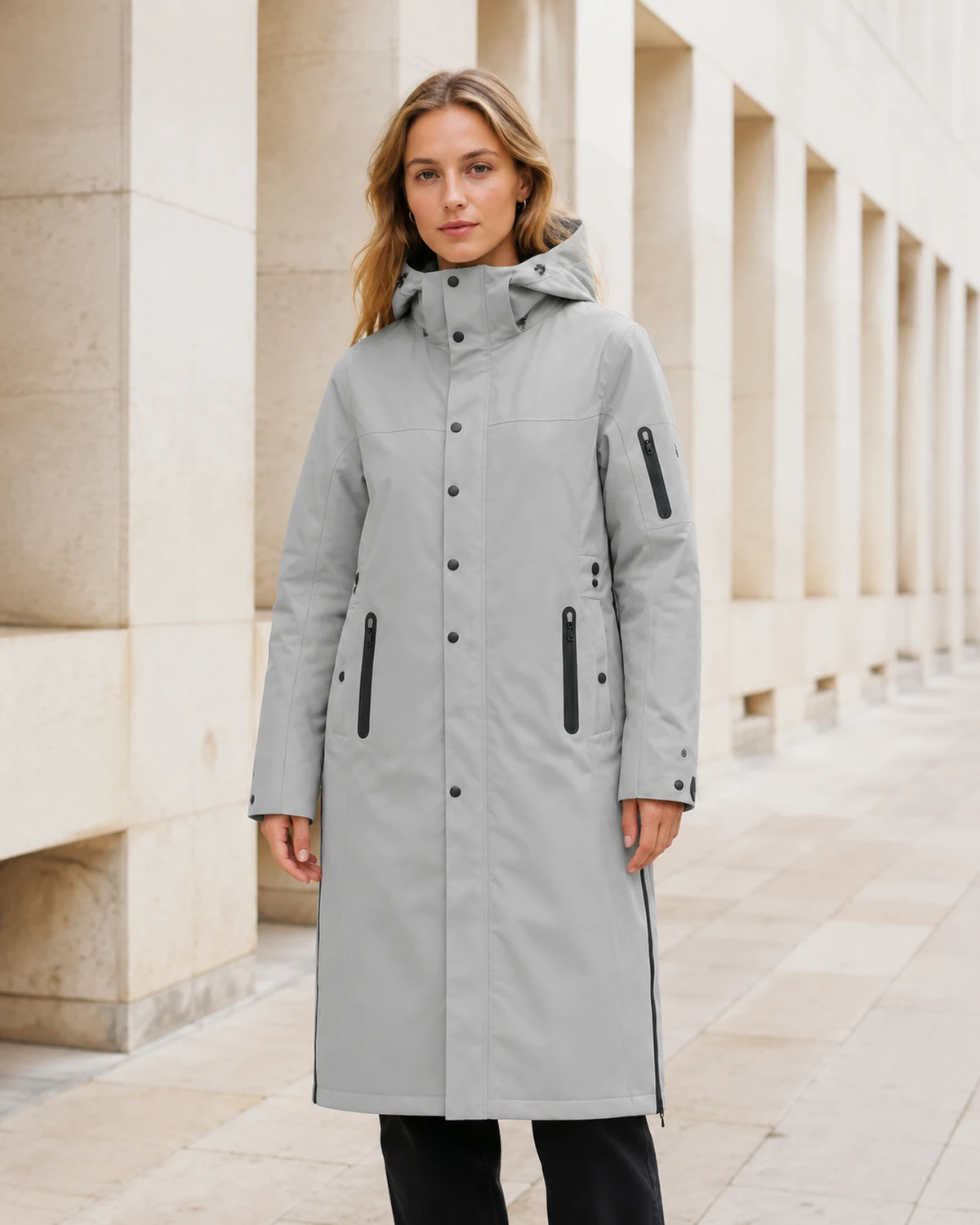
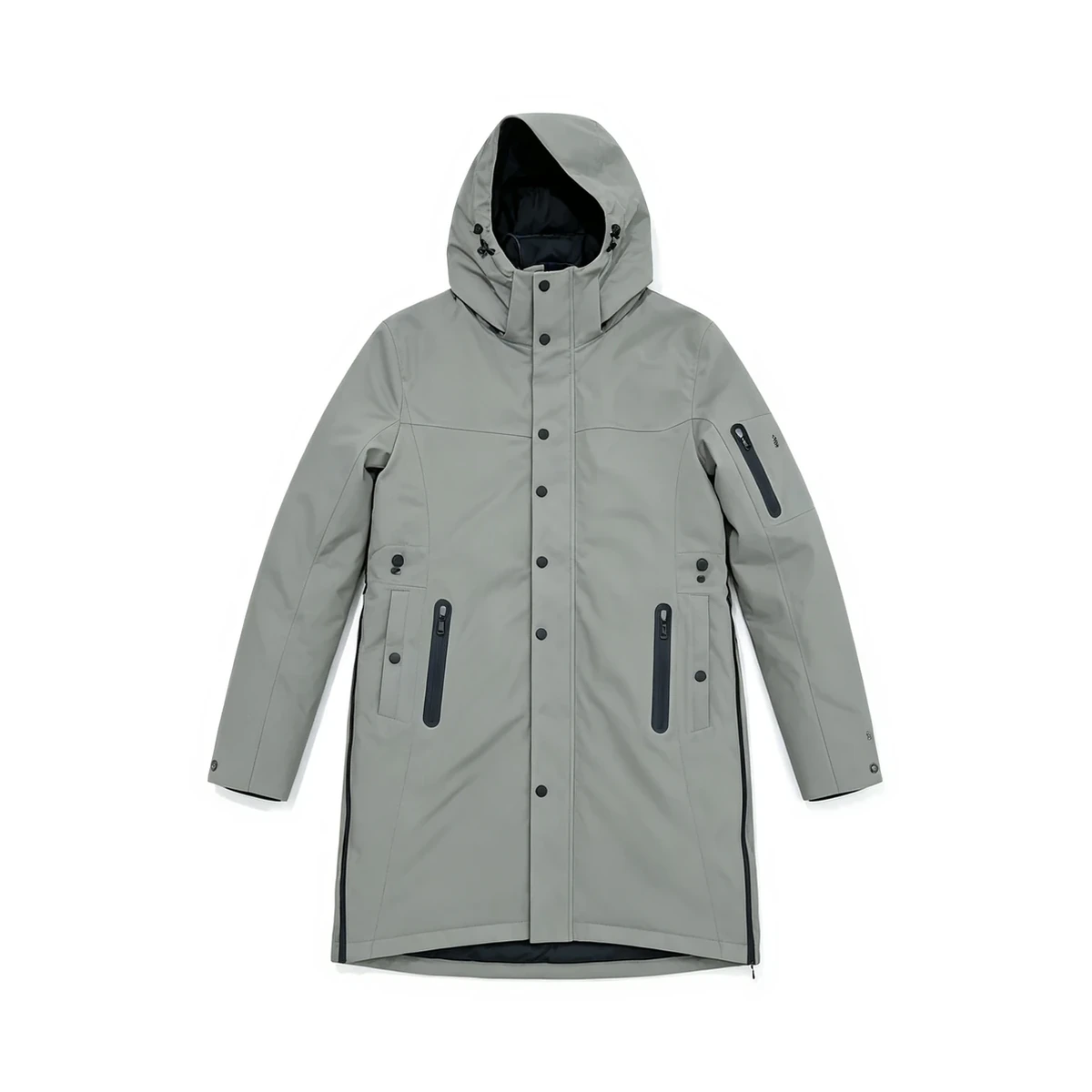
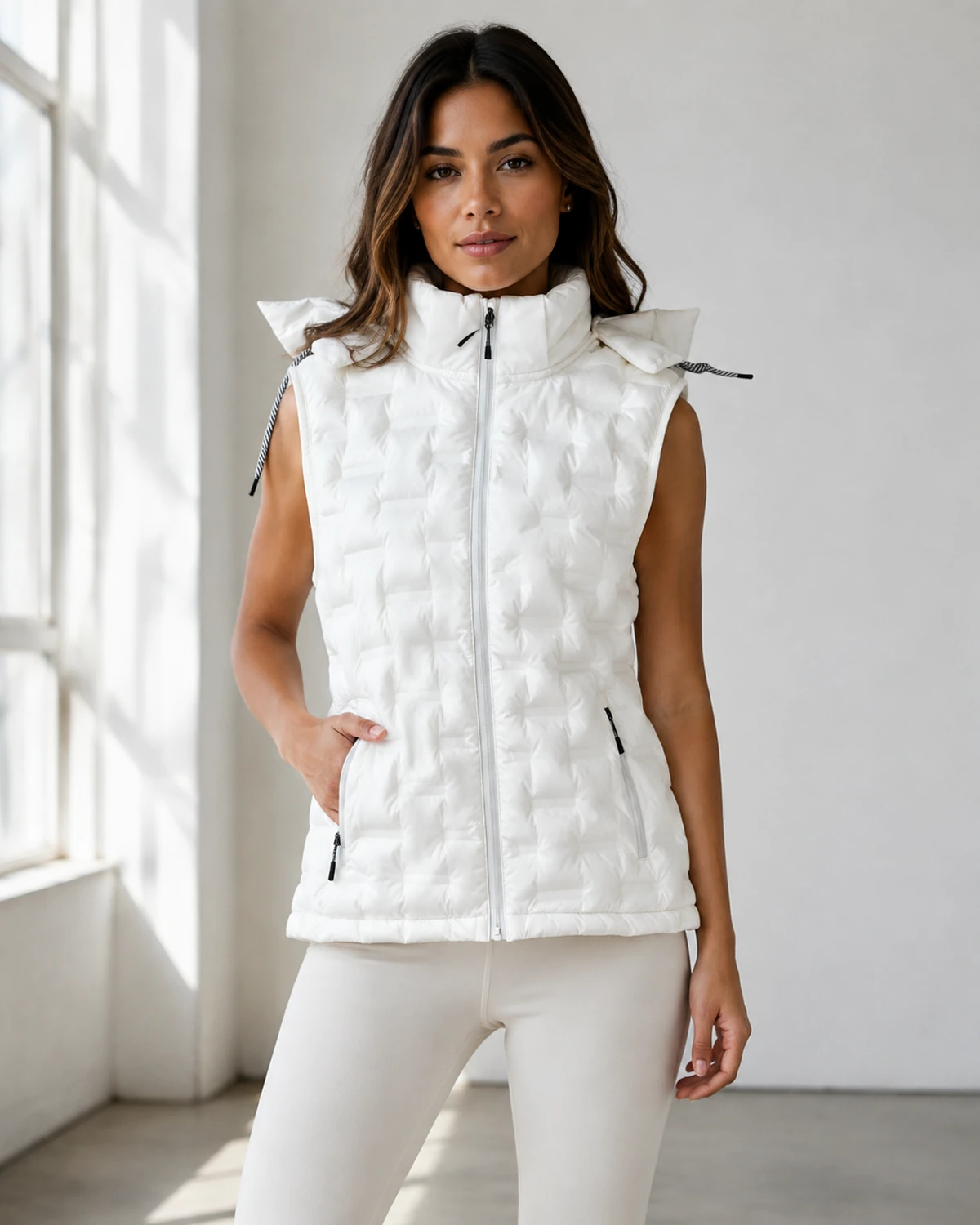
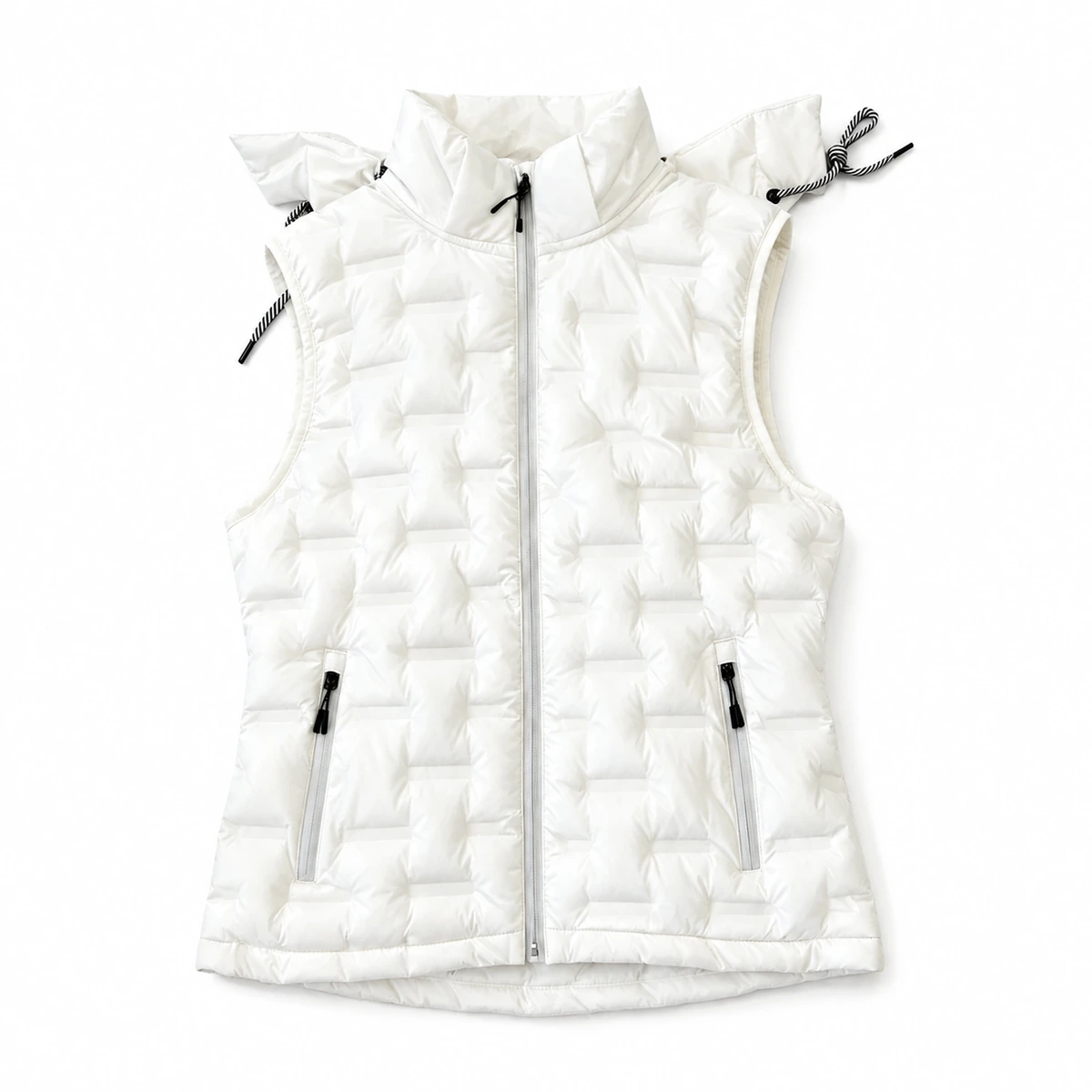
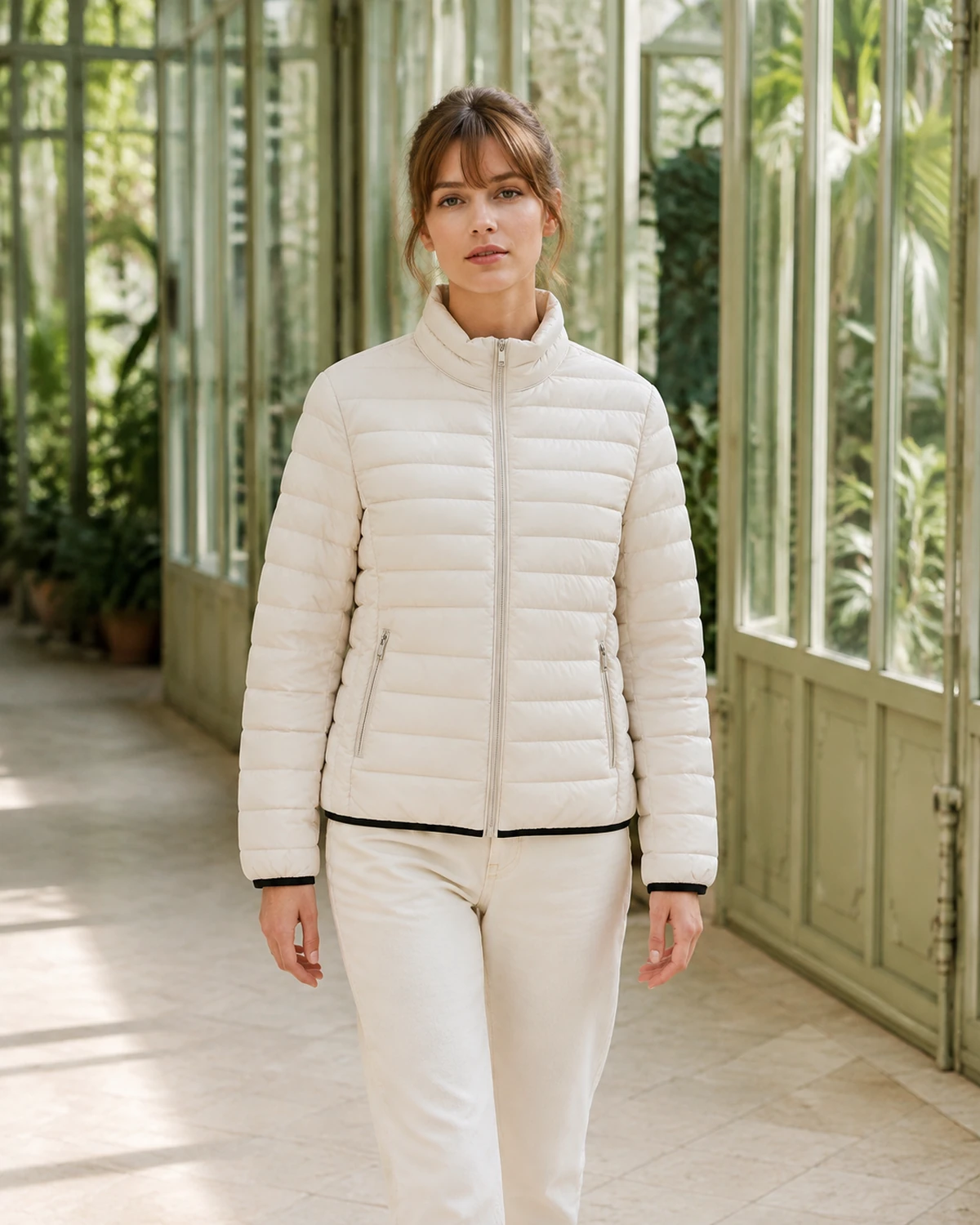
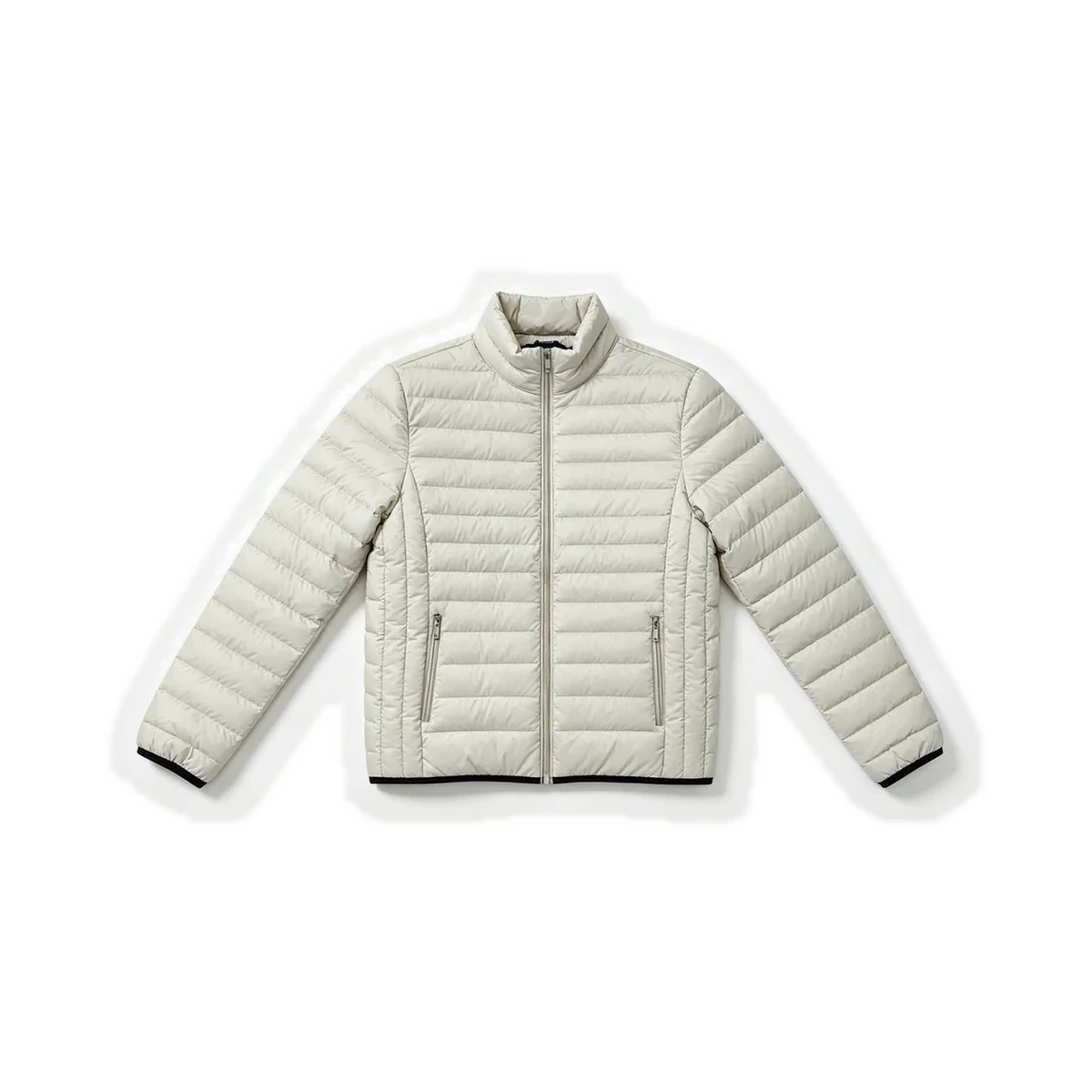
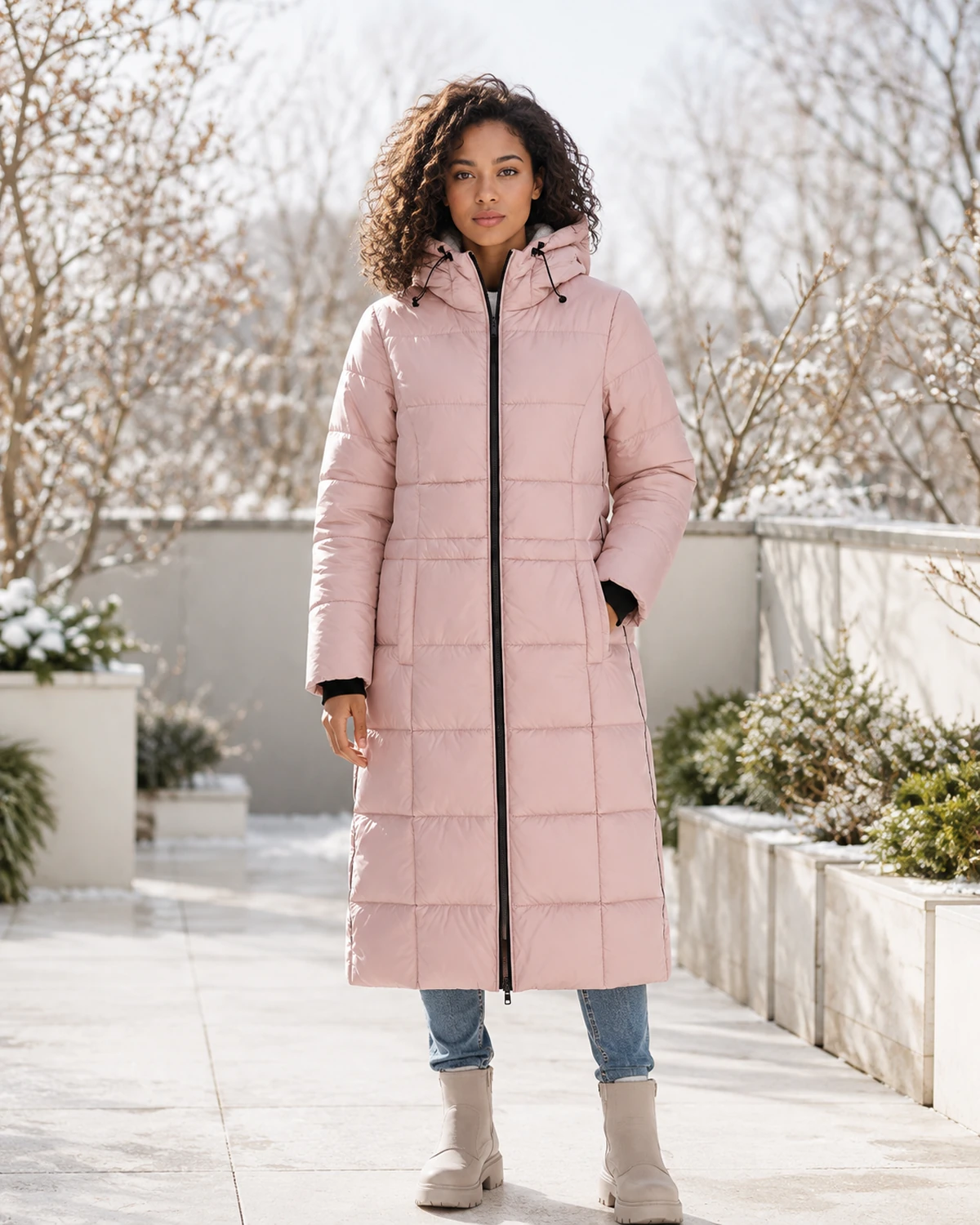
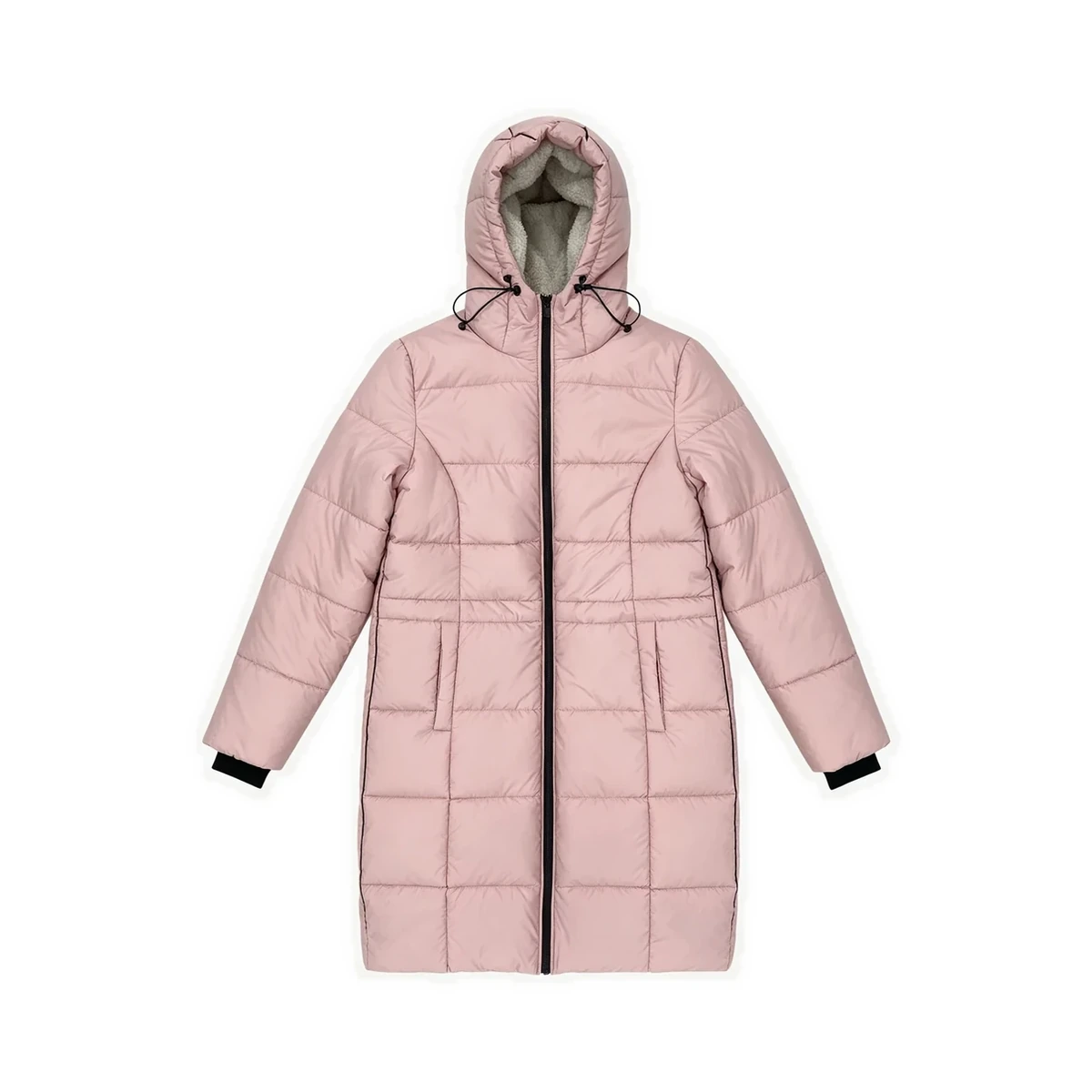
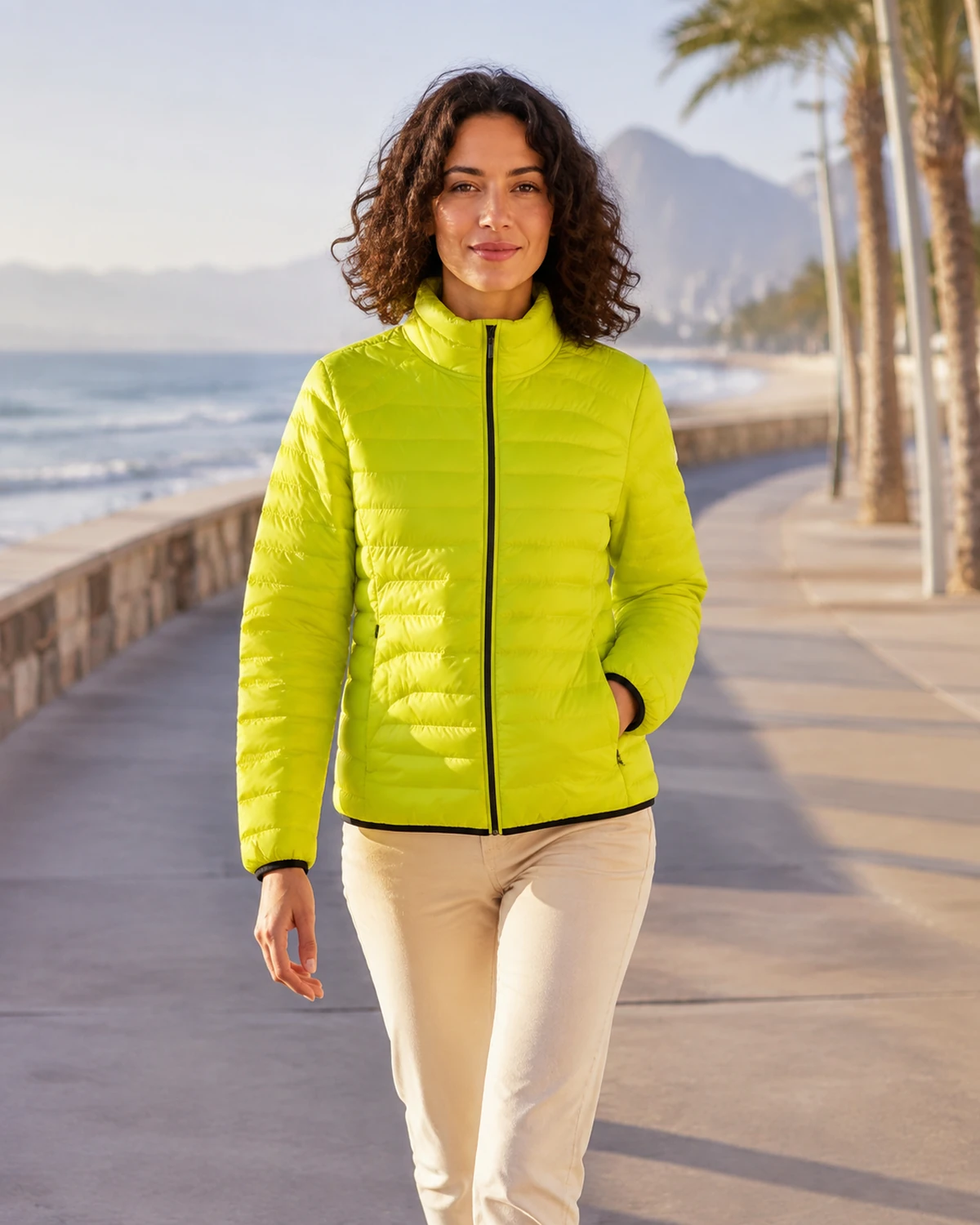
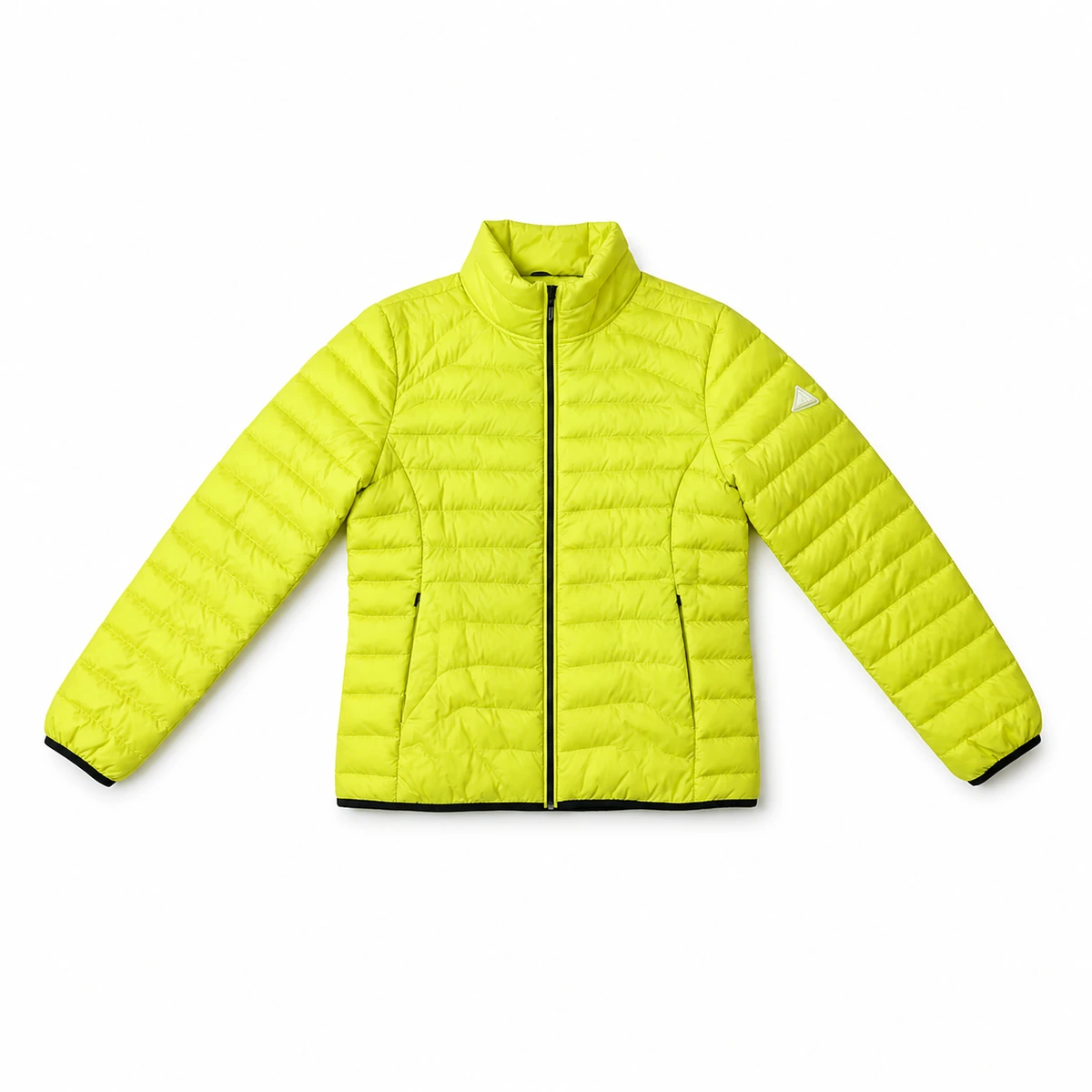
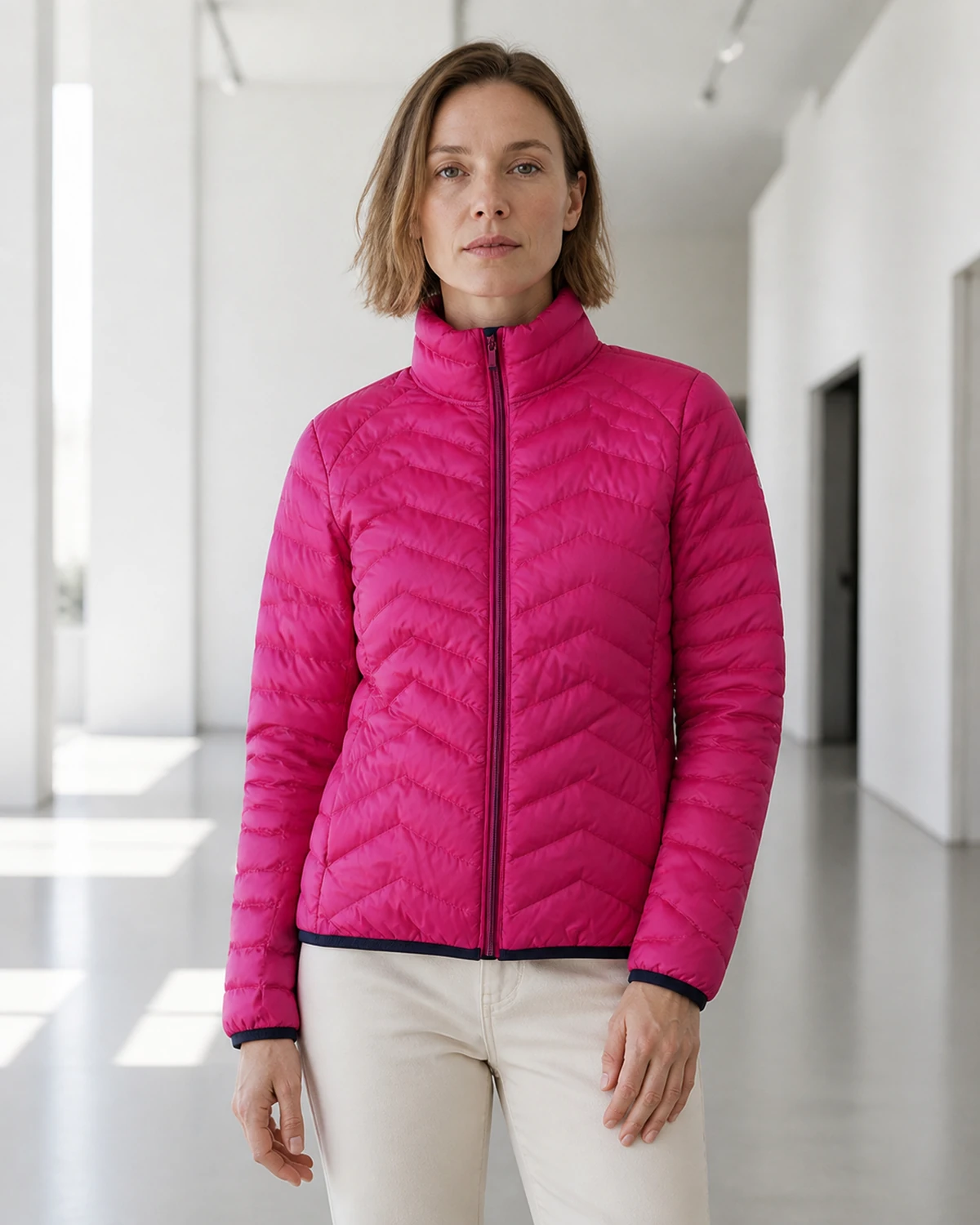
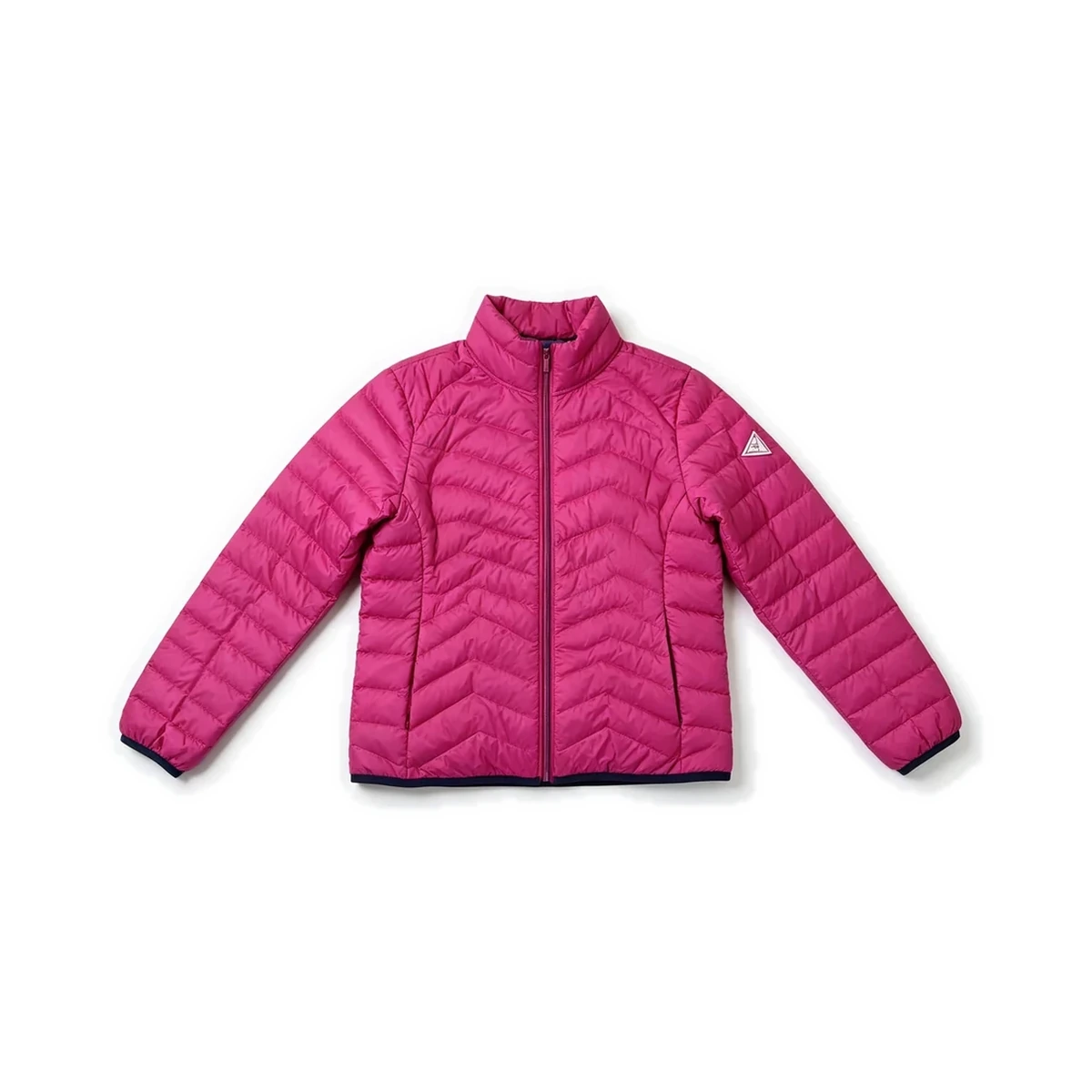
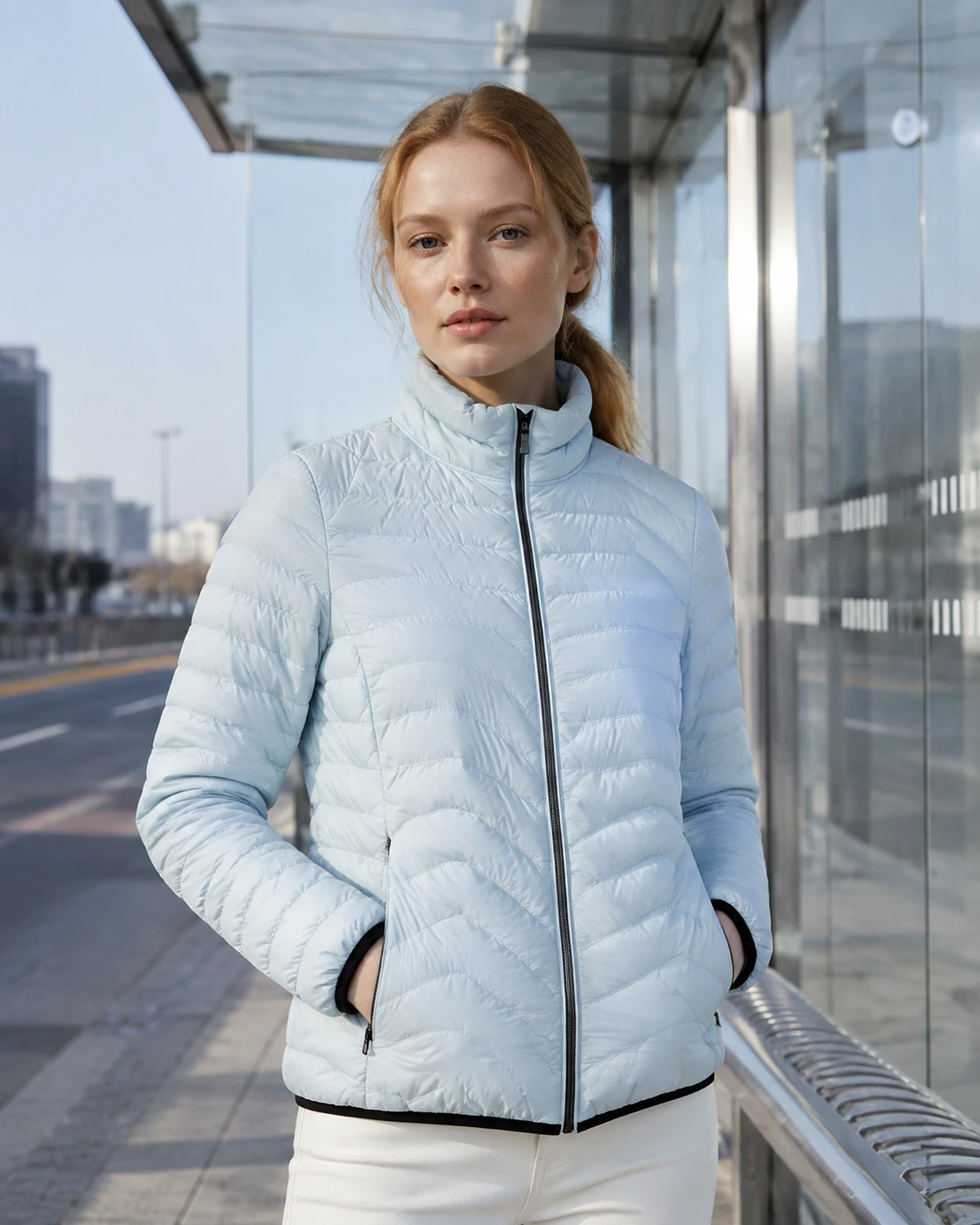
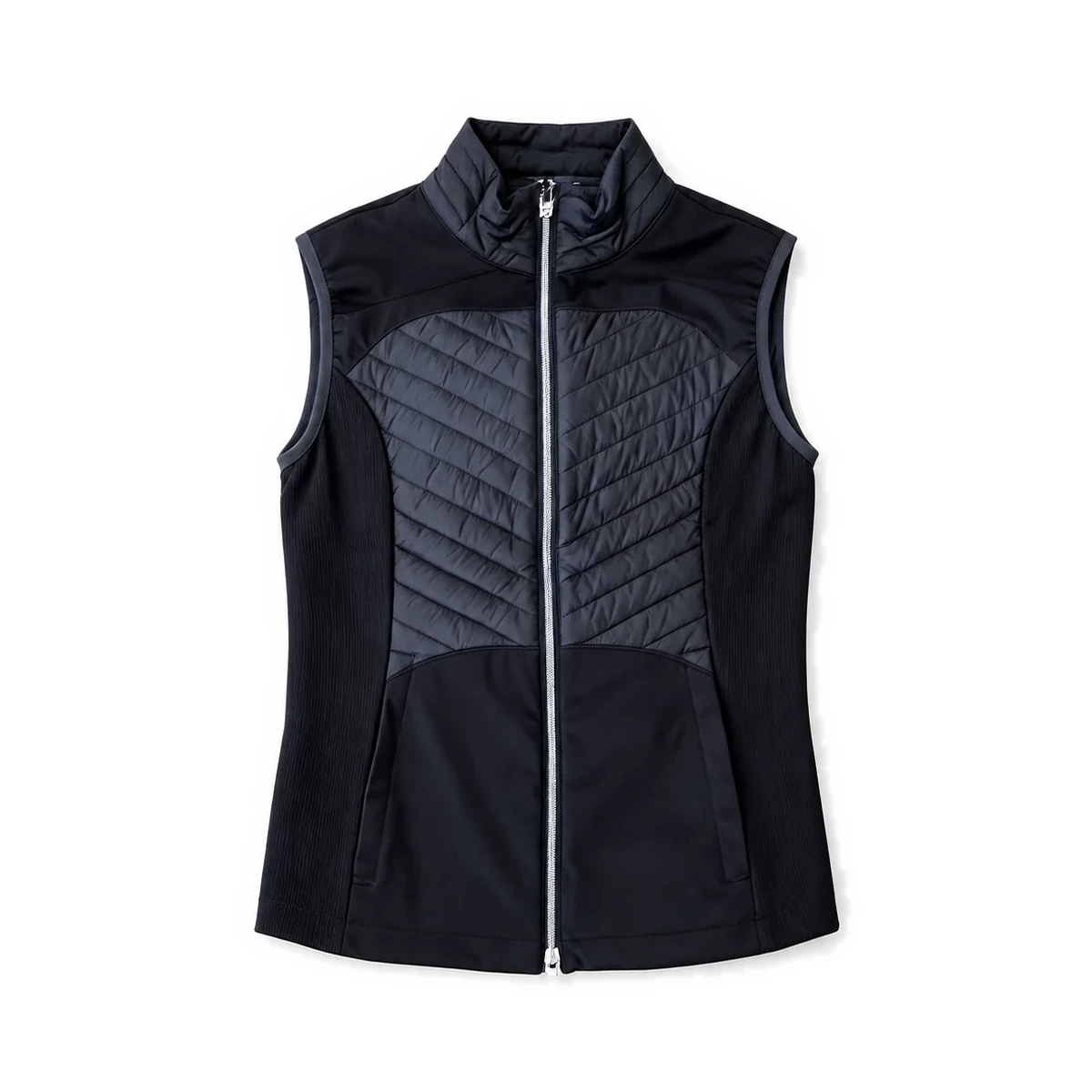
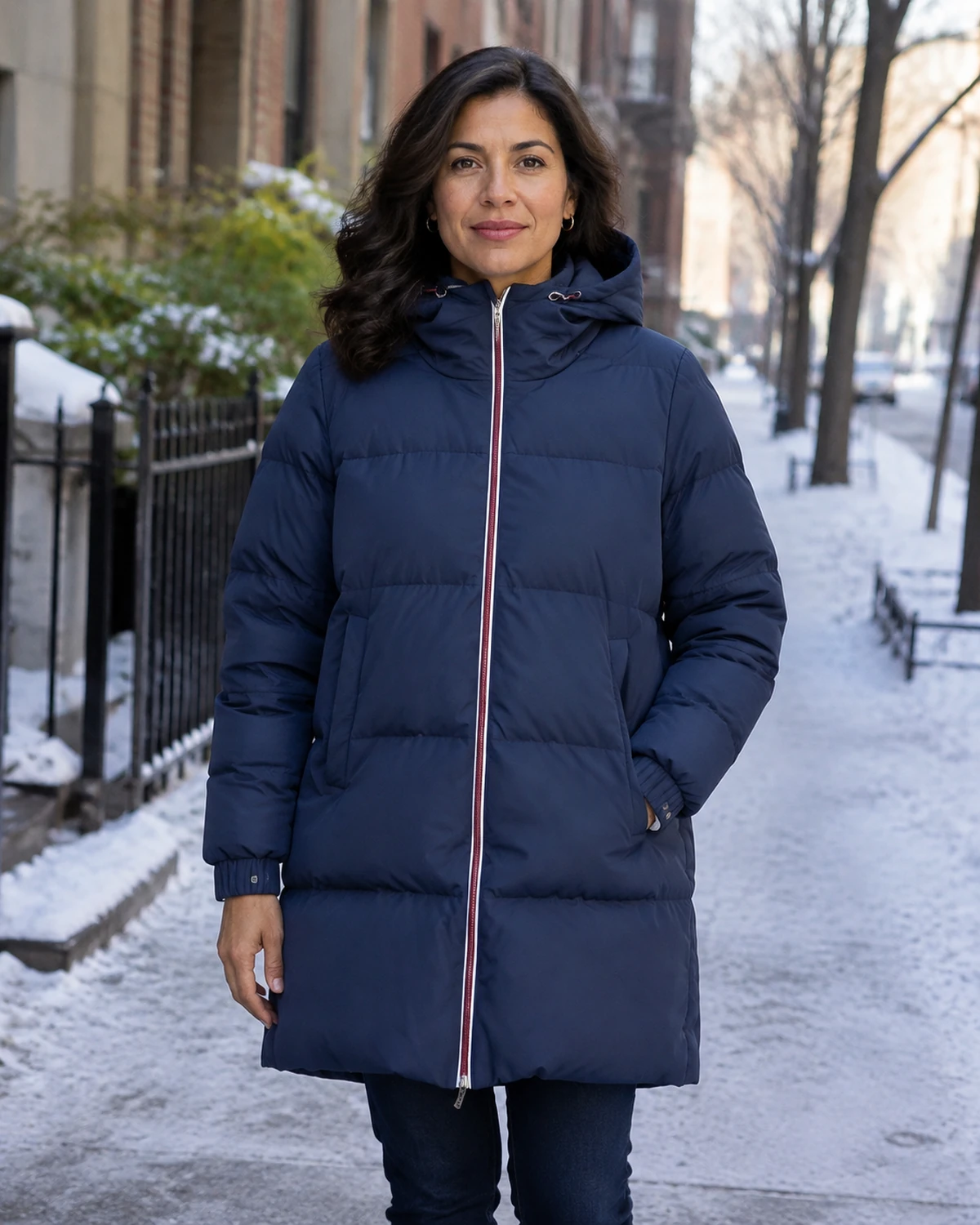
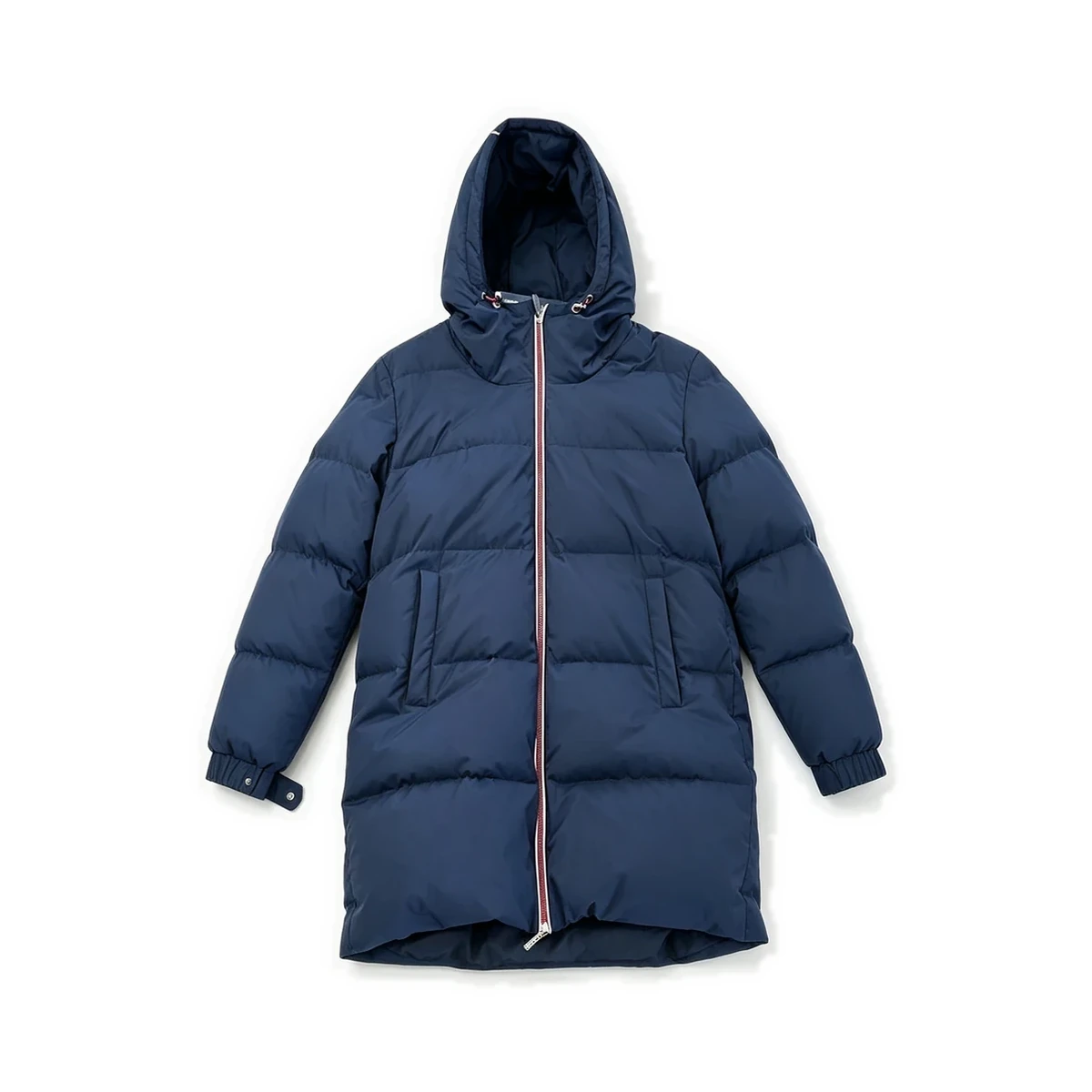
Adult knitwear / sweaters
Start a private-label knitwear brief with the garment type, target wearer, season, yarn composition, knit structure and size chart. Add colorways, branding, packaging and the intended delivery window so factory suitability, sampling, minimum quantities and timing can be reviewed for the specific project.
What use and fit information should a knitwear brief include?
Specify the garment type, wearer, season, intended layering and fit. Provide a size chart with measurement points, tolerances and a fit reference; a style photograph alone does not define a production specification.
Which yarn and construction details need confirmation?
State the intended fiber composition, yarn specification, gauge or reference knit density, stitch pattern and garment weight target. Confirm rib trims, seam or linking construction and the required handfeel against a sample; do not infer composition from appearance.
How should private-label details be specified?
Provide approved artwork, color references, placement dimensions and the requested label, embroidery or knitted-pattern method. Include brand, size and care-label copy for the destination market; confirm feasibility and artwork approval before accepting the sample.
How is a knitwear minimum order quantity determined?
Share the total quantity and its split by style, color and size. Yarn procurement, dye lots, construction and labeling may affect minimums; the applicable MOQ must be confirmed in the project quotation.
What should be reviewed during knitwear sampling?
Agree the sample stages and check yarn or swatch selection, color, handfeel, measurements, fit and trim placement. Record revisions and the approved reference; sample charges and the sample schedule require project confirmation.
What is needed to review a knitwear delivery schedule?
Give the requested delivery date and destination, then allow review of yarn sourcing, color approval, sample revisions, production and shipping. Confirm milestone dates after the specification and supplier review; no universal lead time applies to every design.
Which quality checks should the buyer request?
Define requirements for measurements, knit defects, seam integrity, shade consistency and behavior after the agreed care procedure. Specify any pilling, dimensional-change or colorfastness testing with its method and acceptance criteria; required testing is not evidence of a completed test.
What packing information should be included?
Specify folding or hanging, individual packaging, size and barcode labels, assortment ratios and carton marks. Confirm destination-specific instructions and packing approval before the order is finalized.
Adult outerwear
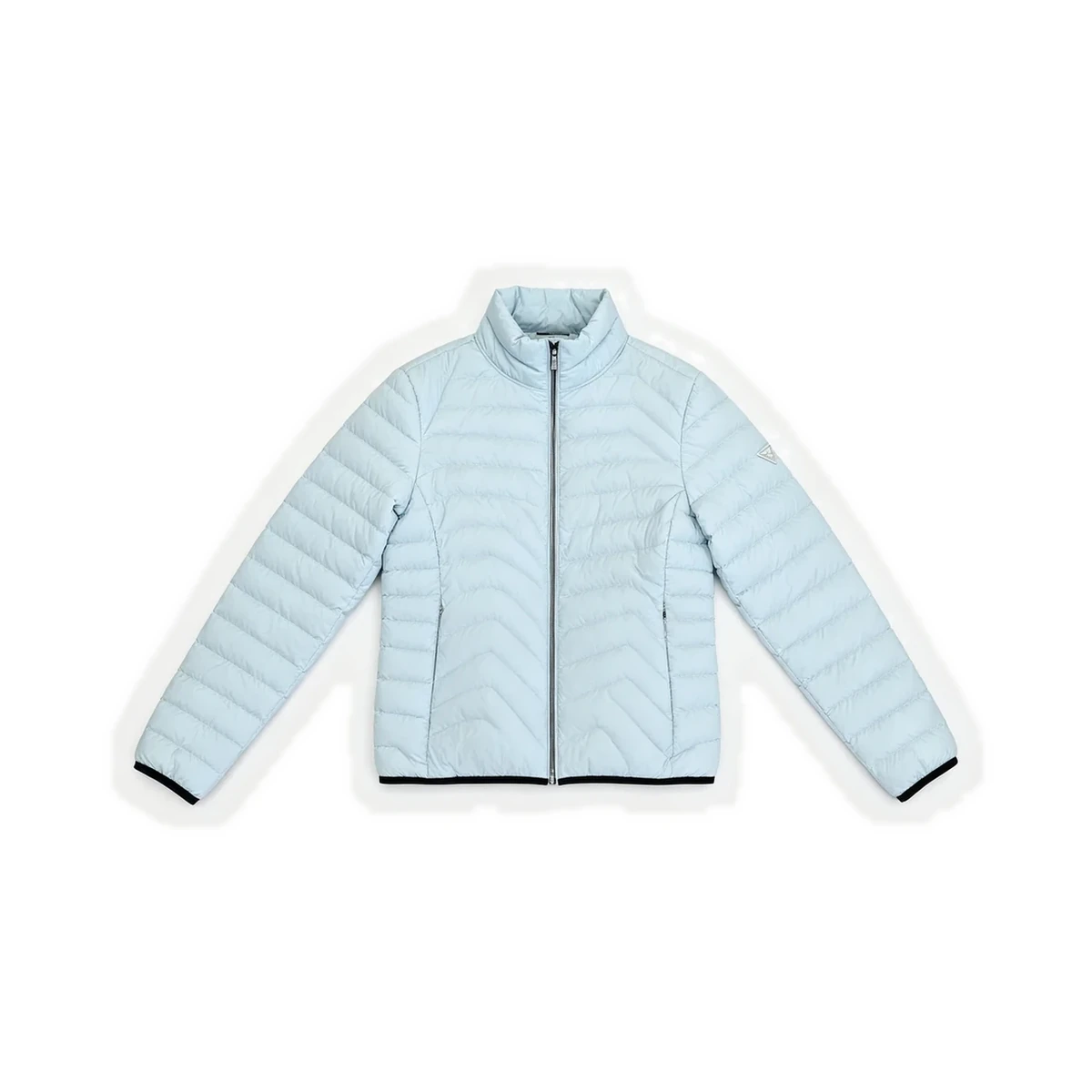
An outerwear brief should define the wearer, climate, garment type, fit, shell, lining, insulation if required, and fastening details. Provide the size chart and any performance criteria separately from styling references so the construction, suitable factory and project-specific terms can be evaluated.
How should the use case and fit be defined?
Identify the wearer, intended weather, activity and clothing layers worn underneath. Provide measurements, fit tolerances and movement requirements; a seasonal label alone does not establish warmth or protection.
Which fabric and construction inputs are needed?
Specify shell composition and weight, lining, insulation type if needed, closures, pockets, hood and seam construction. Any water resistance, breathability or thermal target needs a defined test method and acceptance criteria before it becomes a product claim.
What private-label details should be supplied?
Provide artwork, logo placement, print or embroidery requirements, trim references and label text. Confirm the compatibility of decoration with the selected shell and construction through sample approval.
What affects an outerwear MOQ?
Provide quantities by style, color and size, including any special trims. Fabric sourcing, color development, insulation and custom hardware can affect minimums; obtain the applicable MOQ in the project quotation.
What should an outerwear sample review cover?
Review fit over intended layers, movement, fastening operation, pocket placement, seam finish and overall appearance. Agree any functional testing separately and record corrections before approving the production reference.
How should delivery milestones be planned?
Share the required delivery window and destination. Review fabric and trim availability, sample approvals, required tests, production and shipping before agreeing dates; a target date is not a confirmed lead-time commitment.
Which outerwear QC criteria should be agreed?
Define measurement tolerances, seam and closure checks, appearance criteria, labeling and any performance verification. Request the relevant product or material evidence where needed; neither an image nor a factory-level document proves every garment claim.
What packaging and labeling inputs are required?
Specify folded or hanging presentation, protection for trims, individual packs, barcodes, size assortment and carton instructions. Confirm care and composition text for the actual approved materials and destination.